


Record-Breaking Winter Heat: Texas Sets New Temperature Mark
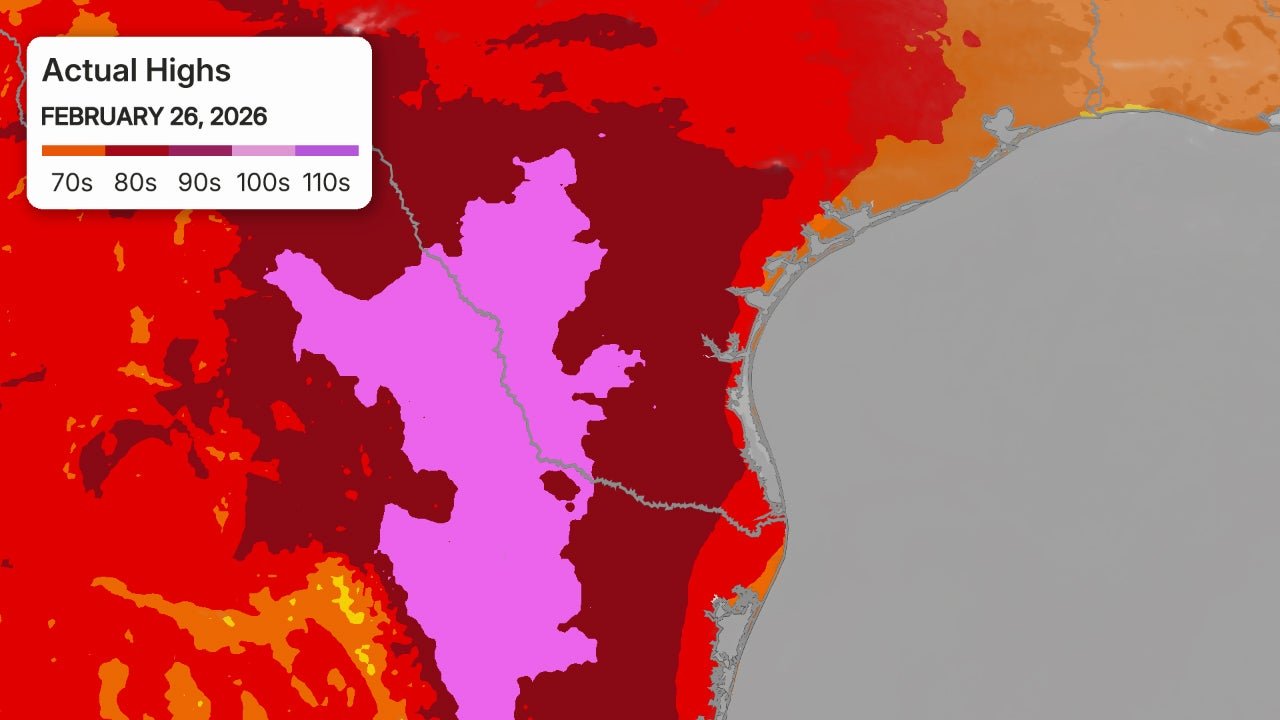
A remarkable weather phenomenon recently occurred in Texas when a cooperative weather station near the Falcon Dam reported an unprecedented high temperature of 106 degrees Fahrenheit. This temperature, recorded along the Rio Grande River, has surpassed previous winter temperature records, marking a significant event in U.S. meteorological history.
Hottest Winter Temperature on Record
According to the National Weather Service (NWS) office in Brownsville, Texas, this temperature is reportedly the highest ever recorded during the meteorological winter months, which encompass December through February. The previous record was 104 degrees, noted in Rio Grande City, Texas, on February 25, 1902.
While the NWS has labeled this 106-degree reading as preliminary, it signals a significant shift in winter weather patterns. Experts from both the NWS and the National Oceanic and Atmospheric Administration (NOAA) will further validate the finding, ensuring the accuracy of the reported temperature.
Interestingly, this astonishing temperature is higher than Falcon Dam’s typical average high even during the peak of summer in early August. For context, it also exceeds the average high in Death Valley, California, at the end of May, which is known for being the hottest place in the United States.
Heat Wave Records Across Texas
Falcon Dam was not the only station to report astonishingly high temperatures. Over a half dozen National Weather Service reporting stations across Texas recorded temperatures exceeding 100 degrees on the same day.
Key highlights include:
- Laredo, Texas, tied its all-time winter record by reaching 103 degrees, equaling records set on February 27, 2011, and February 20, 1986.
- Other notable high temperatures included McAllen at 100 degrees, Corpus Christi at 95 degrees, Victoria at 89 degrees, and El Paso at 83 degrees.
This surge in temperatures is part of a larger winter heat wave that stretches across the region, potentially setting additional daily records from Texas up to Southern California.
Regional Impact and Comparisons
Weather forecasts indicate that cities like Phoenix and Yuma, Arizona, might face their own all-time winter record temperatures, likely reaching the low to mid-90s amid this heat wave.
However, not all regions are experiencing this extreme warmth. In stark contrast, Fairbanks, Alaska, recently plunged to nearly 50 degrees below zero, marking their coldest temperatures for this late in winter in 70 years. This juxtaposition highlights the significant variance in winter weather that the continental U.S. is currently experiencing.
Conclusion
As climate patterns evolve, it is vital to keep an eye on weather anomalies like those recently observed in Texas. The record-breaking temperatures challenge our understanding of seasonal norms and underscore the need for ongoing climate research.
For more information about current weather and its implications, visit the National Weather Service and the NOAA. Staying informed can help us better prepare for future extremes, whether they be record highs or lows.
