


Proposed Land Deal Between SpaceX and the Trump Administration: What You Need to Know
The Trump administration is considering a significant land exchange involving SpaceX, the aerospace company helmed by Elon Musk. This deal could potentially grant SpaceX 775 acres of the Lower Rio Grande Valley National Wildlife Refuge, according to a recent report from The New York Times. This article explores the implications and details surrounding this proposed arrangement.
The Land Exchange Proposal
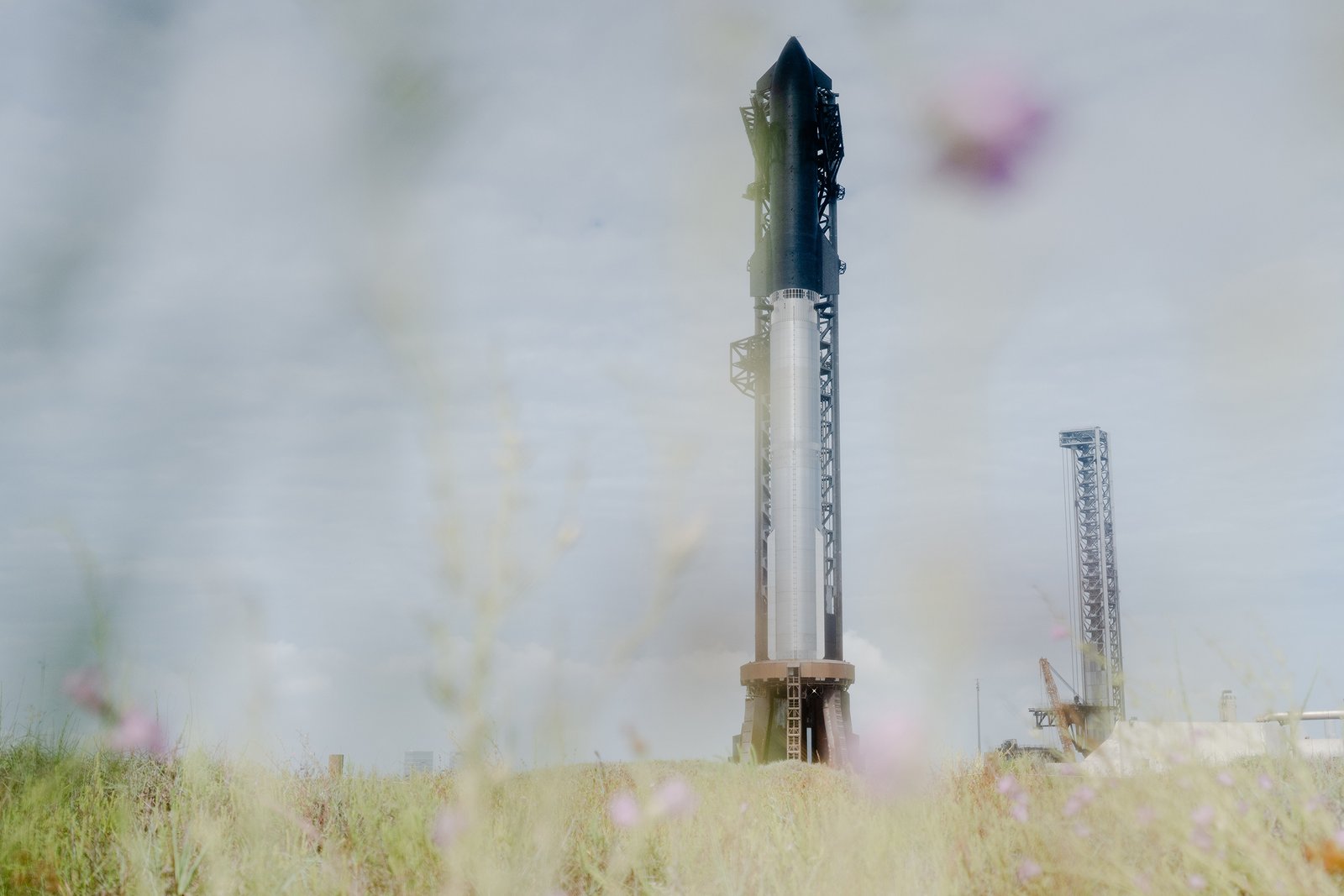
The proposed deal suggests that SpaceX would acquire 775 acres of refuge land located in Cameron County, Texas. In return, the company would relinquish 692 acres of its own land within the same county, some of which is situated about 20 miles away from the refuge. Such a transaction would enhance SpaceX’s capability for rocket launch operations, raising environmental concerns from various advocacy groups.
Critics have long warned that expanding SpaceX’s launch operations could lead to ecological damage and potentially threaten nearby wildlife habitats. The region is home to several endangered species, including the ocelot and jaguarundi, both of which are protected under the Endangered Species Act.
Official Stance and Regulatory Insight
While spokespeople for both the U.S. Fish and Wildlife Service and SpaceX have not yet commented on the specifics of this land exchange, Garrett Peterson, a representative from the Wildlife Service, noted that the federal government is exploring options that align with its objectives of long-term wildlife conservation, as well as enhancing U.S. innovation and economic competitiveness. However, details remain unclear concerning whether the deal would obligate SpaceX to implement any measures aimed at wildlife preservation in the newly acquired lands.
Previous Land Swap Attempt
In 2024, SpaceX had initiated a land swap with the Texas Parks and Wildlife Commission, aiming to exchange 43 acres of Boca Chica State Park for 477 acres near the Laguna Atascosa National Wildlife Refuge. However, SpaceX later backed out of this agreement. This new proposal may see some of the land SpaceX plans to surrender incorporated into the Laguna Atascosa refuge, potentially providing further protection for the local ecosystem.
SpaceX’s Growing Influence in South Texas
The presence of SpaceX in South Texas has become increasingly pronounced, particularly with the establishment of the new city of Starbase—a community largely composed of SpaceX employees. This potential land exchange is one in a sequence of recent regulatory victories for the company, further cementing its status in the region.
Recent Approvals and Legislative Support
SpaceX has secured several regulatory approvals in the past year:
- May 2025: The Federal Aviation Administration (FAA) granted permission for SpaceX to increase the number of rocket launches in South Texas.
- June 2025: The Texas Legislature allowed SpaceX to close a nearby beach during its launches, enhancing operational safety and logistics.
- September 2025: A Texas judge dismissed a lawsuit challenging the FAA’s handling of environmental issues related to a previous rocket launch.
Conclusion: Looking Forward
As discussions around this land exchange continue, the broader implications for both SpaceX and the local environment remain at the forefront of public discourse. With SpaceX’s ambitious plans for expansion in South Texas, community stakeholders and environmental advocates will closely monitor developments to ensure a balanced approach that safeguards wildlife while accommodating technological progress.
For more information on similar environmental and technological issues, visit The Texas Tribune or check the environmental regulations set by the U.S. Fish and Wildlife Service.
This breadth of information showcases the intertwined relationship between corporate interests, environmental conservation, and regulatory frameworks, providing readers with a comprehensive understanding of the potential land exchange and its ramifications.
