


Texas Strengthens Border Security: New Laws Aim to Combat Illegal Immigration
Overview of Recent Legislative Changes
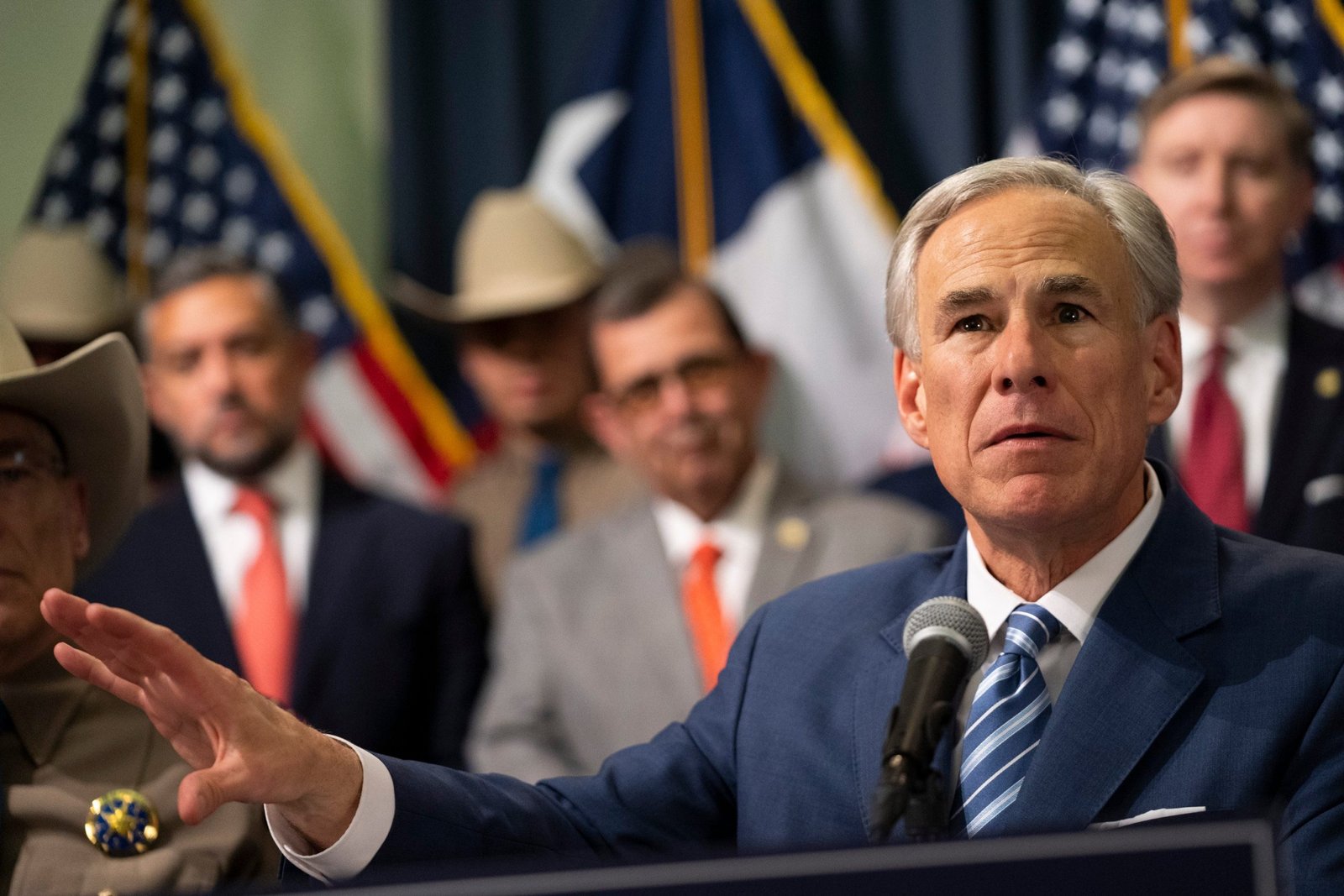
In a significant move to bolster border security, Texas Governor Greg Abbott signed three bills into law aimed at deterring illegal immigration along the Texas-Mexico border. This legislative action adds further financial resources to Abbott’s ongoing three-year initiative, which focuses on empowering law enforcement to arrest undocumented immigrants statewide.
Investment in Border Security
Senate Bill 3: Funding for Border Barriers
Senate Bill 3 allocates $1.54 billion in state funding for continued construction of barriers along the approximately 1,200-mile border. This infusion of cash allows the state to spend an additional $40 million towards funding state troopers tasked with patrol duties in areas labeled as immigration hotspots, such as Colony Ridge—a housing development near Houston that has garnered attention from far-right media.
This legislation adds to a substantial amount of funding already dispersed; since September 2021, Texas has committed at least $1.5 billion in contracts to establish roughly 40 miles of barrier. Notably, as of August 2023, 16 miles of steel bollard barriers have been erected in counties including Starr, Cameron, Val Verde, and Webb.
Senate Bill 4: Criminalization of Illegal Border Crossing
Additionally, Senate Bill 4 introduces a new legal framework that defines illegally crossing the border from Mexico as a state crime. This measure is expected to initiate a legal confrontation with the federal government, as immigration enforcement has been traditionally federal jurisdiction. The bill also intensifies penalties for human smuggling, increasing the minimum sentence from two years to ten years for offenders.
Both measures will take effect in early March, while the human smuggling law comes into force in early February.
Governor Abbott’s Stance
During a visit to Brownsville for the bill signing, Governor Abbott articulated Texas’s need to safeguard itself from perceived threats from drug cartels, attributing the influx of undocumented immigrants to federal immigration policies spearheaded by President Biden. “Biden’s deliberate inaction has left Texas to fend for itself,” Abbott stated.
Opposition and Legal Concerns
Constitutional Challenges
The newly signed laws have raised alarms among immigrant rights organizations, legal experts, and several former immigration judges who argue that SB 4 may violate constitutional principles. Critics, including U.S. Congressman Joaquin Castro, urge the U.S. Department of Justice to take legal action against Texas to halt the law’s implementation. Concerns center around the assertion that immigration enforcement is inherently a federal responsibility.
In an official statement, 30 former immigration judges remarked, "The proposed Texas legislation… is not lawful. Immigration is plainly a federal function."
Potential Legal Roadblocks
The law’s enforcement may face practical challenges, especially if the Mexican government refuses to accept certain migrants upon their deportation. Remarks by academic professionals indicate that Mexico is under no obligation to accept non-Mexican individuals deported by Texas law enforcement.
When pressed on how Texas would handle such a scenario, Abbott simply stated, “We’re going to send them right back to Mexico.”
Protections Included in the Law
The legislation incorporates specific limitations to protect certain locations from enforcement actions. Police cannot arrest migrants in public or private schools, places of worship, health care facilities, or locations offering forensic medical examinations for sexual assault victims. However, no such protections exist for college or university campuses, raising concerns amongst faculty and students.
Historical Context
Texas is not the first state to adopt aggressive measures empowering state police to pursue undocumented immigrants. Arizona’s Senate Bill 1070 in 2010 similarly aimed to enforce strict immigration laws at the state level. However, a landmark 2012 U.S. Supreme Court ruling clarified that immigration enforcement is a federal responsibility, rendering local law enforcement attempts to act solely based on immigration status unconstitutional.
Conclusion
Governor Abbott’s recent laws represent a considerable shift in Texas’s approach to immigration control, channeling substantial state resources towards border security and the enforcement of state-level immigration crimes. With the potential for significant legal challenges ahead, including constitutional objections and practical barriers in enforcement, the implications of these laws will unfold in the coming months. Stakeholders across political and legal spectrums will be watching closely as Texas navigates this contentious issue.
For more information on Texas legislation and its implications, you can visit the Texas Legislative website here.
