


Japan’s Political Landscape: Prime Minister Sanae Takaichi’s Bold Move for Snap Elections
In a pivotal political maneuver, Japan’s Prime Minister Sanae Takaichi has officially dissolved the lower house of Parliament, setting the stage for a snap election slated for February 8. This strategic decision aims to leverage her soaring popularity following her election as Japan’s first female leader just three months ago, although it may inadvertently delay the parliamentary approval of a critical budget aimed at revitalizing a faltering economy.
Takaichi’s Popularity and Challenges Ahead
Since her election in October, Takaichi has garnered impressive approval ratings hovering around 70%. The urgency to call an early election reflects her desire to strengthen the governing Liberal Democratic Party (LDP) after significant setbacks in previous elections. However, the LDP continues to grapple with the fallout from corruption scandals and its historical associations with the controversial Unification Church.
Despite these hurdles, the nascent opposition group, the Centrist Reform Alliance, may struggle to unify moderate voters, especially as Takaichi faces criticism for her decision to prioritize electoral gains over essential economic legislation.
Navigating Rising Tensions
Takaichi has found herself in the crosshairs of renewed tension with China following her remarks regarding Taiwan, a self-governing island claimed by Beijing. In addition, former U.S. President Donald Trump has pressed for Japan to escalate its military spending to keep pace with growing military competition in the region.
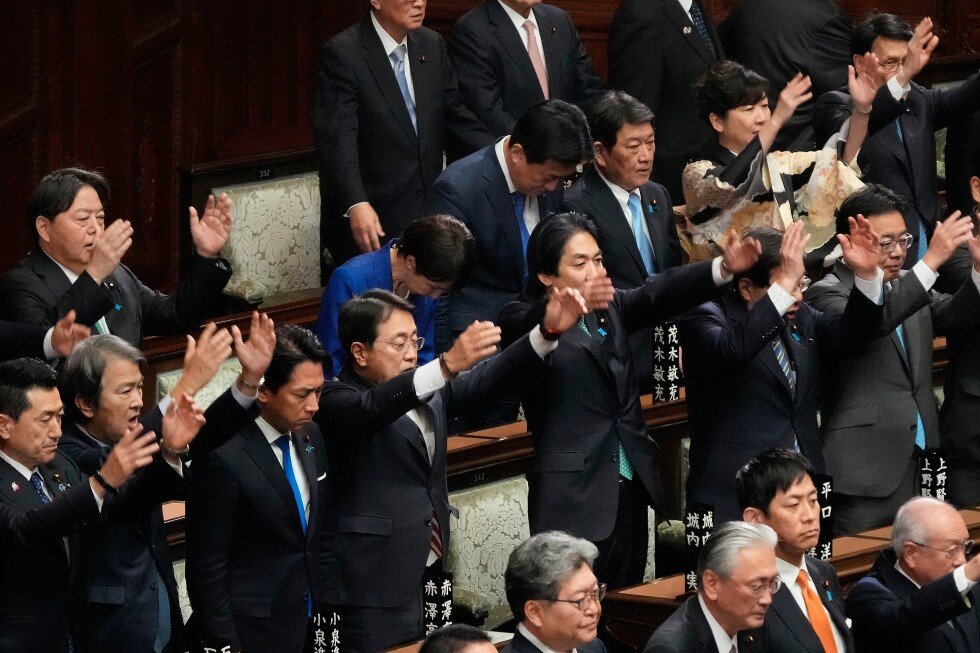
When Fukushiro Nukaga, the house speaker, announced the dissolution of the 465-member lower house, the excitement was palpable among parliament members, who rallied with cheers and excitement, emphasizing the importance of the upcoming campaign.
Ambitious Goals for the Upcoming Vote
Takaichi is betting her political future on this snap election, seeing it as a chance to solidify her leadership and regain a decisive majority in the lower house of Japan’s bicameral Parliament. Her coalition has previously held a fragile majority, and any further electoral defeats could jeopardize legislative progress.
Critics, however, voice concern over the delayed passage of a vital budget, essential for economic resilience. “The only option is for the people, as sovereign citizens, to decide whether Sanae Takaichi should be prime minister,” Takaichi stated, stressing her commitment to securing public support through this electoral process.
Key Focus Areas: Military Strength and Economic Policies
As a staunch conservative, Takaichi is keen on differentiating herself from her centrist predecessor, Shigeru Ishiba. She is rallying public support around her fiscal policies, ambitions for military expansion, and stringent immigration regulations. In her vision, these components are essential for crafting a "strong and prosperous" Japan.
Despite her positive public image, the LDP remains tainted by a political funding scandal that has led some traditional constituents to pivot towards emergent far-right populist parties, such as the anti-globalist Sanseito.
Coalition Dynamics in a Turbulent Environment
On the alliance front, Takaichi has formed a partnership with the right-wing Japan Innovation Party, allowing her to pursue ambitious policies focused on enhanced military readiness, preservation of a male-only imperial succession, and the reactivation of dormant nuclear power plants. This coalition forms in response to the exit of Komeito, a long-time ally rooted in moderate, centrist politics, primarily due to ideological differences regarding anti-corruption initiatives.
The emergence of the Centrist Reform Alliance represents a nuanced pivot, as Komeito branches out toward the main liberal-oriented opposition, headed by the Constitutional Democratic Party of Japan (CDP). Yosihiko Noda, a former prime minister and CDP leader, emphasizes the coalition’s commitment to a diversified and inclusive society, positioning it as a counterweight to Takaichi’s rightward trajectory.
Economic Challenges and Security Commitments
In response to Japan’s economic difficulties, Takaichi aims to provide solutions to address rising costs and stagnant wages, along with support measures for low-income families. However, she also seeks to dramatically revise the country’s security and defense capabilities by the end of the year.
This includes eliminating restrictions on arms exports to enhance Japan’s defense sector—a controversial stance that could provoke further debate at home and abroad. Moreover, her administration’s proposed immigration policies indicate a push toward stricter regulations, reflecting increasing anti-foreign sentiment among segments of the Japanese populace.
As the political landscape evolves, Takaichi’s upcoming election strategy will not only shape her own political fate but also significantly influence the future of Japan’s governance and its international relations.
