


Earthquake Strikes Off Taiwan’s Northeastern Coast: Impacts and Insights
On Saturday night, a significant 7.0 magnitude earthquake rocked the area off the northeastern coast of Taiwan. The earthquake, which occurred approximately 32 kilometers (20 miles) from the city of Yilan, struck at 11:05 PM local time (1505 GMT/UTC) and was recorded at a depth of 73 kilometers (45 miles), according to Taiwan’s Central Weather Administration.
Local Reactions and Immediate Effects
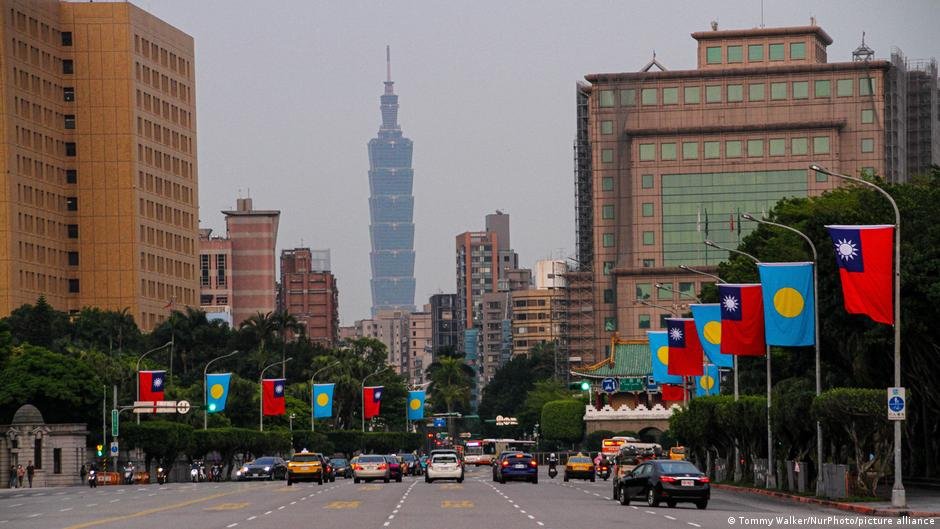
The tremors from the earthquake were felt throughout the island, particularly in the capital city, Taipei, where shaking was reportedly strong enough to shift buildings. Residents described scenes of chaos as local media reported incidents of collapsed ceilings and overturned supermarket shelves. In response to the quake, the government issued alerts to public mobile phones, advising caution among residents.
Rail operators took precautionary measures by temporarily slowing down both train and high-speed rail services. Fortunately, within minutes of the earthquake, the Taipei city government confirmed that there were no immediate reports of significant damage.
Tsunami Alerts and Government Responses
Officials indicated that the earthquake did not warrant a tsunami alert; the country’s fire department reported no immediate risks to coastal communities. Taiwanese President Lai Ching-te urged the public to remain vigilant, encouraging family members to check in on each other and warning of potential aftershocks that could follow the initial event.
Impact on the Technology Sector: TSMC Evacuations
The earthquake’s shaking led to safety evacuations at a few facilities owned by TSMC, the world’s largest contract chipmaker. In a statement, TSMC confirmed its commitment to prioritizing personnel safety, conducting outdoor evacuations, and running headcounts in accordance with emergency response procedures. The company reassured stakeholders that work safety systems at all facilities were functioning normally.
The Importance of Taiwan’s Semiconductor Industry
Taiwan plays a crucial role in the global technology landscape, producing advanced semiconductors that power a wide array of devices, from smartphones to artificial intelligence systems. Any disruption to TSMC’s operations or its facilities could significantly affect global supply chains, potentially crippling sectors such as automotive and consumer electronics while driving up technology prices worldwide.
Earthquake Vulnerability: Taiwan’s Historical Context
Taiwan is notoriously susceptible to seismic activity, making earthquake preparedness a critical aspect of life on the island. A notable recent event occurred in April 2024, when a magnitude-7.2 earthquake struck eastern Taiwan, resulting in the loss of at least 18 lives and injuring over 1,000 individuals. The island’s vulnerability was tragically highlighted in 1999 when a 7.3 magnitude quake led to the deaths of more than 2,000 people.
For more comprehensive information on Taiwan’s earthquake preparedness, you can check this article on Taiwan’s earthquake readiness.
Conclusion
As Taiwan continues to navigate the aftermath of this earthquake, the combination of government alerts, local responses, and the judicious actions of businesses such as TSMC underscores the island’s resilience amidst the challenges posed by natural disasters. Residents and authorities remain alert for possible aftershocks, emphasizing the importance of community support and preparedness in the face of such unpredictable events.
Stay informed and be prepared—Taiwan’s earthquake activity is a reminder of the island’s dynamic geological landscape.
