


Addressing the Nursing and Doctor Shortage: A Focus on the Rio Grande Valley
In the wake of the COVID-19 pandemic, healthcare systems across the United States have been grappling with severe staffing shortages, particularly in nursing and medical professions. The Rio Grande Valley, which has experienced over 4,000 COVID-19 fatalities, emerged from the crisis only to face enduring challenges in its healthcare landscape. As the region continues to deal with prevalent health conditions like diabetes and heart disease, the need for qualified healthcare professionals remains critical.
The Ongoing Challenge of Staffing Shortages
During the pandemic, many healthcare workers were pushed to their limits, often working under perilous conditions and enduring extensive periods without adequate rest. This tumultuous experience resulted in an alarming wave of healthcare professionals leaving their roles in direct patient care. While the immediate impacts of COVID-19 have lessened, the demand for more medical staff is acute, highlighted by institutions requiring refrigerated trucks to handle the deceased during the pandemic’s peak in 2020.
Recovery and Return of Healthcare Professionals
As communities begin to transition into a post-pandemic world, there is a glimmer of hope. Local placeholders, such as DHR Health, have reported a gradual increase in the return of nurses. This trend is attributed to various factors, including stabilizing pay in the healthcare sector and diminishing burnout rates among former nursing staff.
Supporting the Workforce: Strategies in the Valley
Healthcare institutions like South Texas Health System (STHS) and DHR Health have taken significant steps to foster a supportive work environment for returning healthcare professionals. Initiatives include hiring more Certified Nurse Assistants (CNAs) and enhancing recruitment efforts. Susan Turley, President of DHR Health, indicated that the institution is witnessing a resurgence of nursing graduates, directly contributing to filling existing vacancies.
“From a nursing standpoint, I think the state has stepped up and provided funding to the colleges to expand the number of nurses they can graduate,” Turley explained. The number of nurse vacancies has notably decreased from approximately 180 to just 75.
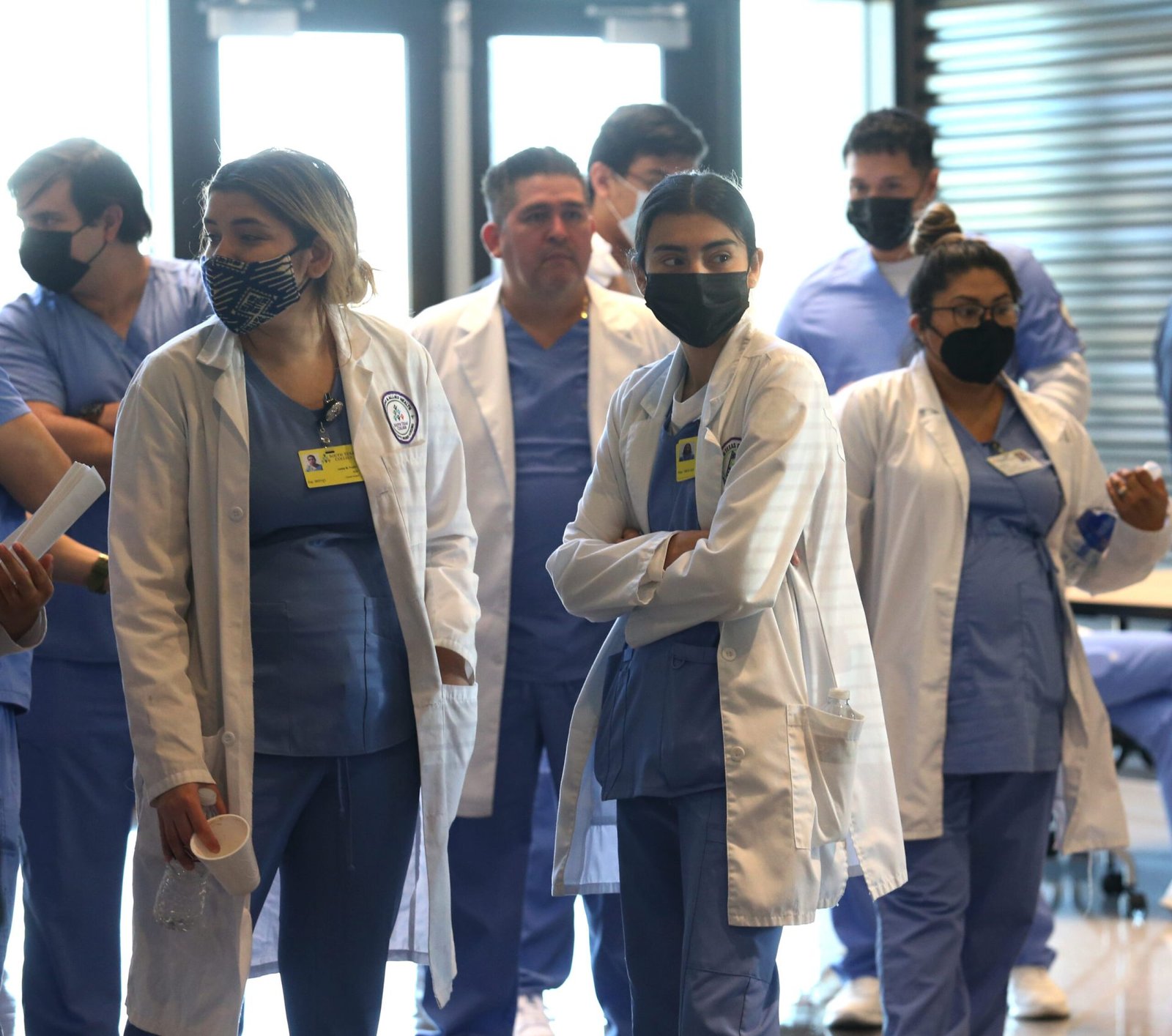
Student nurses observe South Texas College representatives announce its first nurse apprenticeship program.
Kennetha Foster, Chief Nursing Officer at STHS, echoed these sentiments, revealing that over 250 nursing students graduated between South Texas College and the University of Texas Rio Grande Valley in December alone, marking a significant shift in the local healthcare market.
Moving Forward: Recruitment and Retention Practices
To combat the nursing shortage effectively, healthcare systems have begun adopting innovative strategies focused on improving the work-life balance for staff. Numbers indicate that burnout affected around 52% of healthcare workers during the pandemic, leading to a staggering turnover rate of nearly 50% in 2021. Fast forward two years, and both DHR Health and STHS are now operating with turnover rates below national averages.
Increased Staffing and Reduced Wait Times
Recently, DHR Health hired about 40 physicians to address patient demands, ultimately decreasing patient wait times and ensuring that current healthcare workers are not overwhelmed. The addition of seasoned nurses enhances the skill set of facilities, allowing institutions to create a robust workforce capable of managing complex health needs.
Incorporating wellness programs and competitive pay rates are further measures that healthcare organizations are using to retain their staff.
Collaborations with Educational Institutions
As 2024 looms, DHR Health plans to roll out a nurse apprenticeship program funded by a federal grant. The initiative focuses on partnerships with local colleges to provide clinical experiences, allowing new graduates to train within various hospital departments. DHR Health’s existing nurse tech program provides hands-on experience, which serves as a preparatory step toward the comprehensive nurse residency program.
Foster also noted, “We want to continue to work with our nursing partners… to ensure nursing students can find what is best for them.”
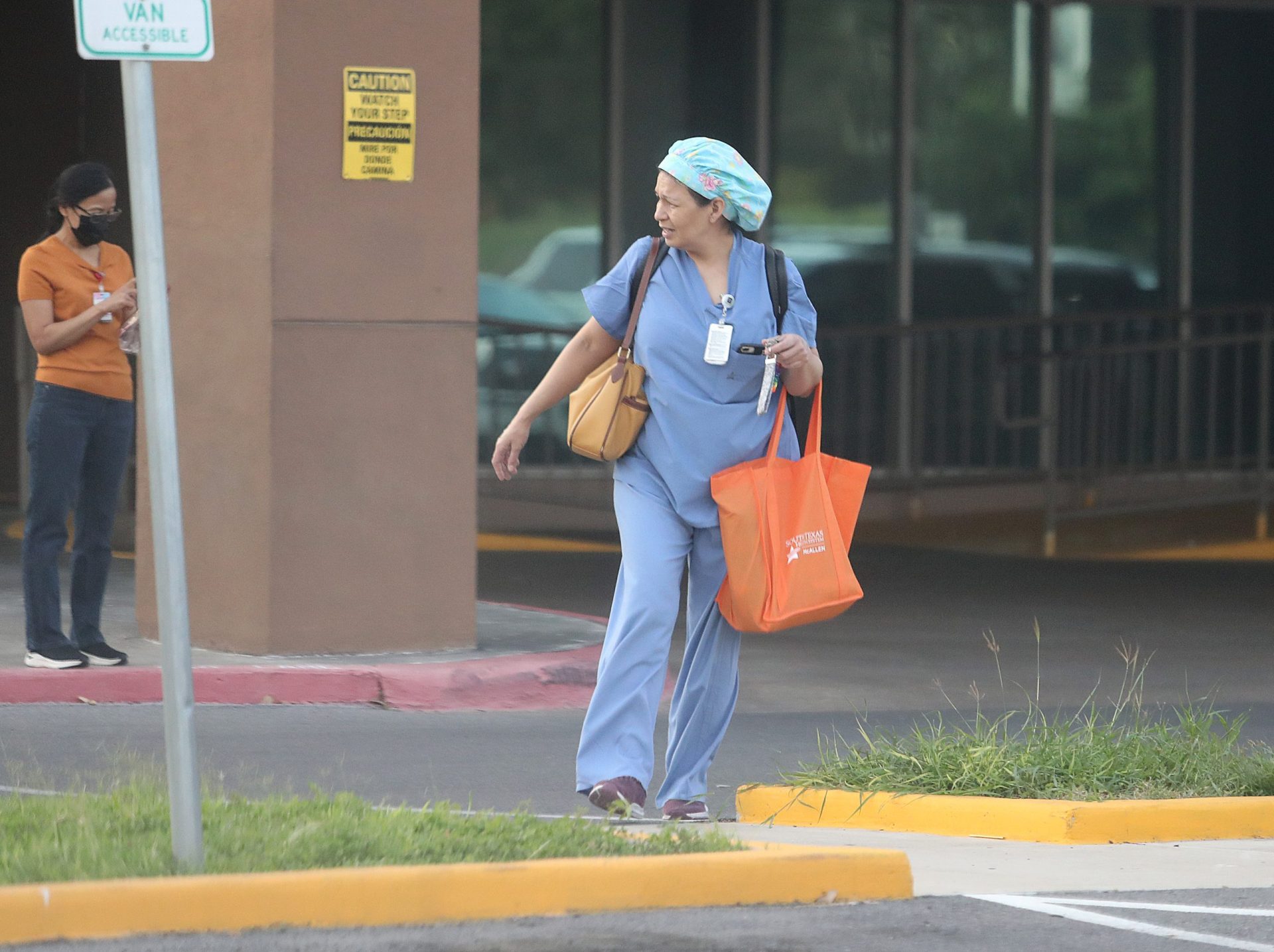
A medical worker outside South Texas Health System McAllen.
Conclusion: A Healthier Future for the Rio Grande Valley
As hospitals and healthcare facilities in the Rio Grande Valley continue to adapt to the evolving needs of their communities, reports of acute illnesses like heart conditions and the flu remain prevalent. Ongoing efforts to recruit and retain healthcare professionals promise a brighter future for healthcare in this vital region. With targeted strategies and community support, there is hope for overcoming past adversities and addressing the pressing healthcare needs of the Valley.
For further insights, consider exploring resources from National Library of Medicine and other healthcare-related publications.
