


Ensuring Safety for Children: The Critical Role of AED Training in Youth Sports
Understanding Sudden Cardiac Arrest in Children
Sudden cardiac arrest (SCA) may not be common among children, but its impact can be devastating and life-threatening. The Centers for Disease Control and Prevention (CDC) reports that over 2,000 children perish annually due to SCA in the United States, making it a leading cause of death in young athletes. Particularly alarming is that only 10 to 15 percent of these children can survive outside a hospital setting, highlighting an urgent need for effective interventions.
The Importance of Quick Response
The numbers presented by the CDC underscore the crucial importance of rapid response and access to lifesaving equipment. As articulated by medical professionals, “Quick action can mean the difference between life and death, especially when children are involved.” Understanding how to respond quickly can save lives in emergency situations, particularly in settings where children are active.
The Power of Automated External Defibrillators (AEDs)
An Automated External Defibrillator (AED) is a user-friendly, portable device designed to assess heart rhythms and administer lifesaving electric shocks as necessary. The presence of AEDs is critical; immediate access can drastically improve survival rates by as much as 60% in high-activity areas, such as gyms and youth sports clubs.
Why Training Matters
However, simply having an AED on-site is insufficient. Knowledge of how to utilize the device effectively is vital. As experts emphasize, "In a cardiac emergency, hesitation can be deadly." Training helps individuals recognize the signs of sudden cardiac arrest, perform CPR, and operate AEDs confidently, ultimately increasing the chances of survival until professional medical help arrives.
Recent Initiatives to Enhance Safety
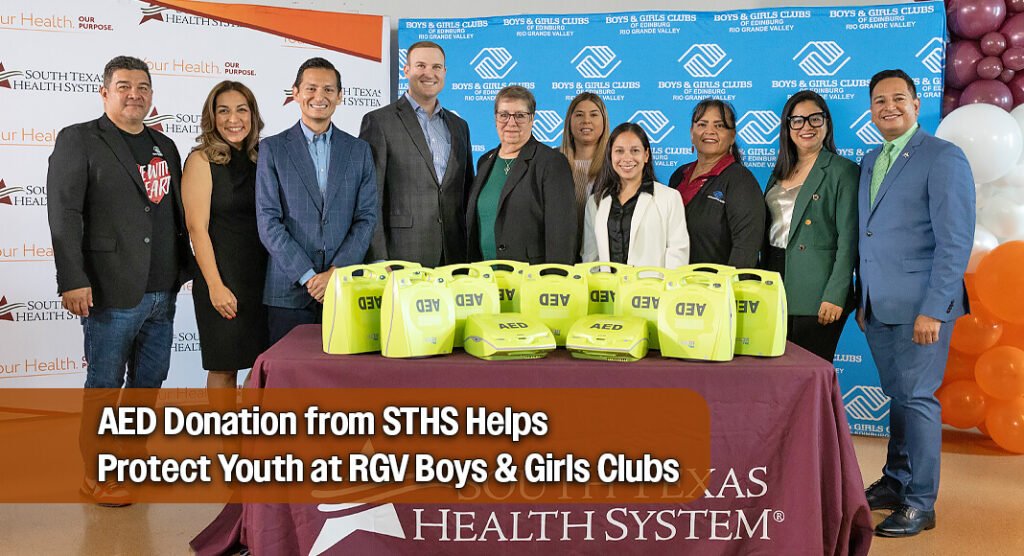
A recent initiative has brought AEDs and training to local youth organizations, focusing on enhancing safety for children involved in sports. For instance, two AEDs were donated to several Boys & Girls Club locations, serving the Rio Grande Valley. These clubs collectively support over 62,000 children aged 6 to 18, providing them with a safe and stimulating environment for various sports activities.
Comprehensive Training for Staff
In addition to donating AEDs, comprehensive training sessions were conducted to equip staff with essential skills. This three-hour training included recognizing the signs of sudden cardiac arrest, administering CPR, and using AEDs. Training allows staff to respond promptly and effectively to emergencies, significantly improving the likelihood of survival for affected children.
Building Safer Environments for Youth
The investment in lifesaving equipment and necessary training not only represents a commitment to the well-being of children but also emphasizes creating safer environments within youth sports settings. "Early intervention keeps the victim alive long enough for advanced care to take over," experts state.
Equipped with both AEDs and the training to use them effectively, youth sports organizations can ensure that they are prepared for potential emergencies.
Conclusion: Prioritizing Youth Safety Through AED Education
As the importance of timely intervention in the case of sudden cardiac arrest becomes increasingly recognized, initiatives focusing on AED education and training are crucial. For more information on AED education courses available through healthcare organizations, visit this page.
By prioritizing safety through education on CPR and AED usage, we can help foster secure environments for children, ensuring they remain safe while participating in physical activities.
For further details, organizations can reach out to local health education departments to explore avenues for AED training and device acquisitions, significantly enhancing safety protocols for youth sporting events.
