


Protecting Cattle in the Rio Grande Valley from New World Screwworm: A Comprehensive Overview
Introduction
The New World Screwworm (Cochliomyia hominivorax) poses a significant threat to livestock, particularly cattle, in the Rio Grande Valley of Texas. As state officials actively monitor the situation near the Texas-Mexico border, understanding the potential risks and preventive measures is crucial for local farmers, ranchers, and the community at large.
Understanding the New World Screwworm
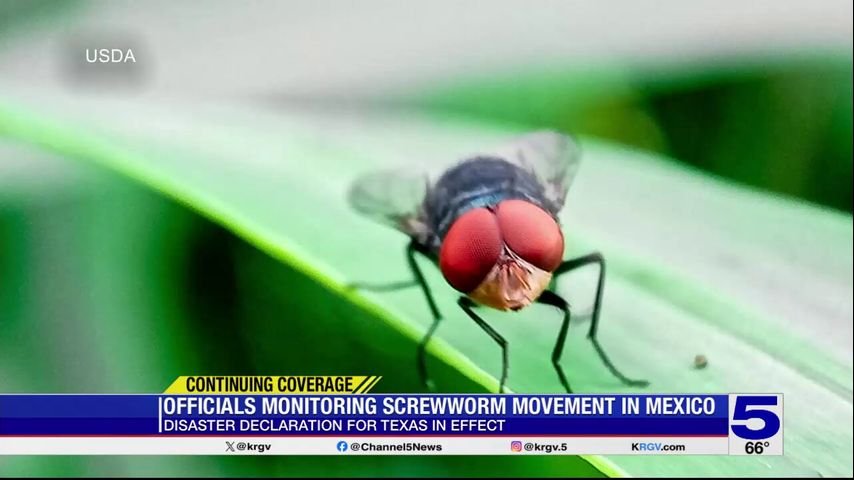
The New World Screwworm is a parasitic fly notorious for infesting live animals, especially mammals. Its larvae can cause severe damage to livestock and can ultimately lead to death if left untreated. According to the Texas Department of Agriculture, approximately 200 mammal species in Texas are susceptible to this parasitic threat, making it imperative for authorities and residents to take necessary precautions.
Ongoing Monitoring Efforts
Currently, no sightings of the New World Screwworm have been confirmed in Texas. However, state and federal officials keep a vigilant eye on its movement in Tamaulipas, Mexico, where infestations have been reported. This proactive monitoring is crucial for preventing any potential outbreak from spilling into the United States.
Preemptive Measures and Disaster Declaration
In light of these concerns, Texas Governor has issued a disaster declaration for the state. This step may raise questions, especially given that there are no current infestations. However, the declaration is seen as a strategic maneuver.
“At first glance one might wonder why a disaster declaration is issued without an active infestation. It’s a preemptive measure that empowers my agency and others to act swiftly if an outbreak occurs," said Texas Department of Agriculture Commissioner Sid Miller.
This foresight allows for an organized and swift response to any potential threats, ensuring that the state is prepared for any eventuality.
USDA’s Sustained Efforts
The United States Department of Agriculture (USDA) is taking decisive action to combat the New World Screwworm. Over the weekend, the USDA announced it will be releasing 100 million sterile flies weekly along the Texas-Mexico border. This biological control method aims to disrupt the breeding cycle of the screwworm, reducing the risk of infestations among the local livestock.
The Role of Cattle Ranchers
Cattle ranchers in the Rio Grande Valley must stay informed about the New World Screwworm and its potential impact. It is essential for ranchers to engage with local agricultural organizations, attend relevant workshops, and maintain regular communication with state officials. By enhancing their understanding and preparedness, ranchers can better protect their herds.
Conclusion
The New World Screwworm remains a looming threat for the Rio Grande Valley’s cattle industry. While no current sightings exist in Texas, ongoing monitoring and strategic preemptive measures, such as the USDA’s release of sterile flies, demonstrate a committed effort to safeguarding local livestock.
Residents, ranchers, and local agricultural bodies must work collaboratively to ensure the health and safety of livestock in the region. Staying informed and proactive can help mitigate the risks posed by this troublesome parasite.
For more information on New World Screwworms and how to protect your livestock, visit the Texas Department of Agriculture or the USDA websites for helpful resources and guidance.
