


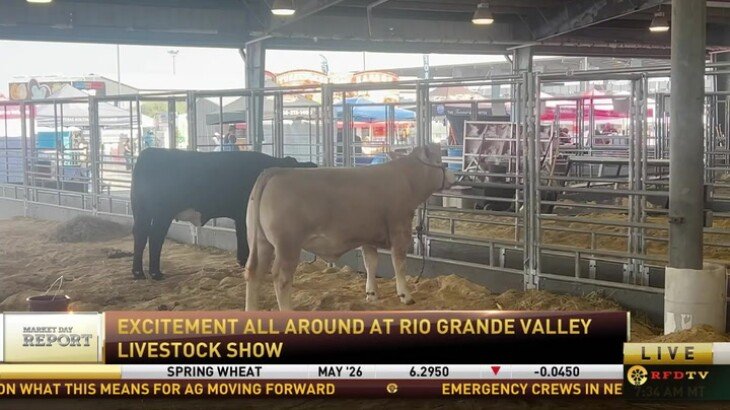
Celebrating 87 Years of Agriculture at the Rio Grande Valley Livestock Show
MERCEDES, TEXAS (RFD NEWS) — The Rio Grande Valley Livestock Show (RGVLS) is a cornerstone of agricultural tradition in South Texas, marking its 87th year with an enthusiastic turnout despite ongoing challenges such as drought and water shortages that plague farmers in the region. This event, which originated in 1940, continues to unite the community while focusing on educating the youth about agriculture and animal husbandry.
The Essence of the Rio Grande Valley Livestock Show
The RGVLS is drawing significant crowds again this year, reinforcing its longstanding legacy. "Our mission is about educating youth and promoting agriculture,” states Luis Saldaña, the executive director and general manager of the show. Featuring over 3,000 exhibitors and more than 7,000 projects, the event showcases an extensive range of livestock including breeding cattle, hogs, goats, sheep, as well as market steers, lambs, and goats. The breadth of participation highlights the event’s crucial role in connecting young minds with agricultural practices and livestock management.
Overcoming Adversities: A Resilient Agricultural Community
The backdrop of the RGVLS is not without its challenges. Farmers in South Texas confront limited irrigation water supplies due to long-standing disputes related to the 1944 U.S.-Mexico Water Treaty, compounded by the effects of persistent drought. Nonetheless, Saldaña expresses a profound appreciation for the resilience of the agricultural community. "Farmers are a very resilient group of people," he emphasizes; "they adapt even in hard times. Their commitment to the Rio Grande Valley Livestock Show remains steadfast, regardless of the hardships."
Inspiring Future Agricultural Leaders
Beyond just competition, the RGVLS serves as a vital catalyst for inspiring the next generation of agricultural leaders. The popularity of the event opens doors for young people to explore and appreciate the industry. “At a minimum, it provides a level of appreciation for the industry,” Saldaña notes, reflecting on how exposure to agriculture can shape young minds. Parents like Richard Grafe view these experiences as essential for instilling an appreciation for farming in their children, ensuring that they understand its importance and viability.
“My daughter, Gracie, aspires to be a veterinarian,” Grafe shares, illustrating the impact of the livestock show in motivating the young generation.
A Vital Economic and Cultural Component
The Rio Grande Valley Livestock Show is more than just an event; it’s an economic driver for the region. By providing a platform for youth to exhibit their livestock and share their knowledge, the show plays a pivotal role in nurturing community spirit and economic growth. The participation of thousands solidifies its importance as a seasonal highlight that fosters collaboration and innovation in agricultural practices.
Furthermore, the RGVLS exemplifies how traditional agricultural events can contribute to the modern agricultural landscape. It offers not only practical knowledge but also emotional and social value, forging bonds between families, friends, and the community at large.
Conclusion
As the Rio Grande Valley Livestock Show celebrates its 87th anniversary, it stands as a testament to the resilience, dedication, and spirit of the agricultural community in South Texas. Despite ongoing challenges like drought and water disputes, the event continues to inspire, educate, and unite people, ensuring that agriculture remains a valued and thriving part of the region’s identity.
For more information about the Rio Grande Valley Livestock Show, visit RGVLS Official Website, and discover why this event is a keystone of South Texas agriculture.
By prioritizing community engagement while adapting to contemporary challenges, the RGVLS not only preserves tradition but also cultivates a promising future for the agricultural industry. Through such initiatives, it ensures that the next generation appreciates and honors the importance of farming in our society.
