


The Essential Role of the Rio Grande: An In-Depth Exploration
Will Rogers famously remarked that the Rio Grande is “the only river I know of that is in need of irrigating.” This observation rings especially true today as the river, once a powerhouse of ecology and culture, faces unprecedented challenges. Stretching nearly 1,900 miles, the Rio Grande ranks closely behind the Missouri-Mississippi system as one of the longest rivers in the continental U.S., although its fragmented flow tells a different tale.
High Demand: The Lifeline of the Southwest
Known variously as the Rio Grande, Rio Bravo, or El Rio Bravo del Norte, this vital river serves as an essential water source for over six million residents across the American Southwest. It supports tribal communities, municipalities, agriculture, and local economies while providing habitat for countless wildlife species. Its waters are deeply intertwined with the cultural practices, recreational activities, and economic livelihoods in numerous regions along its course.
From its origins in the alpine ranges of the San Juan Mountains in Colorado to its role as a natural border between the United States and Mexico, the Rio Grande is more than just a waterway; it is a lifeline. Historic legislation like the Rio Grande Compact aims to manage the water demands in Colorado, New Mexico, and Texas, ensuring equitable distribution of the river’s flow.
The Rich Ecosystem of the Rio Grande
The watershed of the Rio Grande is an intricate tapestry of ecosystems that provide nourishment for local flora and fauna. Towns and cities along the river rely heavily on it for drinking water, agricultural irrigation, and as a key recreational resource, vital for both residents and visitors alike. As climate change continues to threaten water availability through altered weather patterns and increased evaporation rates, communities are coming together to find innovative solutions to these pressing challenges, from improved water usage techniques to restoring native riparian habitats.
Understanding the Challenges: Past and Present
Historically, the flow of the Rio Grande was dictated solely by natural weather patterns. Floods and dry seasons shaped its course, allowing ecological systems to thrive. However, modern human interventions and climate change have compromised its natural integrity. Increased temperatures and shifting precipitation patterns have raised the risk of droughts and wildfires, complicating life for both human and animal populations dependent on this critical resource.
Did You Know?
- El Rio Bravo del Norte: Its Spanish name emphasizes its history and the fierce waters that flow through it.
- Diminished Flow: Despite its "Grande" designation, the river averages only about one-fifth the flow of the Colorado River.
- Important Stopover: The San Luis Valley is a crucial spring layover for over 20,000 migrating sandhill cranes.
For communities along the Rio, awareness of their water resource challenges has become essential. Collective efforts focus on implementing solutions such as Frozen Assets—a program aimed at sustainability through innovative water management techniques.
Conservation Efforts: A Collective Responsibility
Organizations like American Rivers are mobilizing grassroots efforts throughout the Rio Grande watershed. Their initiatives focus on enhancing watershed health and aquatic connectivity across Colorado, New Mexico, and Texas. By working with local stakeholders, they identify and implement multi-faceted projects that benefit both ecosystems and communities reliant on the river.
Community Projects
From river restoration to agricultural modernization, innovative projects help mitigate water scarcity threats. Examples include protecting wetlands and small tributaries and improving aquifer recharge methods to ensure a healthier water supply for both ecosystems and people.
Ranking Among America’s Most Endangered Rivers
The Lower Rio Grande has been designated one of America’s Most Endangered Rivers® for 2025 due to extreme water scarcity, pollution, and over-allocation of its resources. Although the river serves both cultural and economic roles, its plight is increasingly precarious without immediate intervention. Efforts must focus on protecting this vital river to ensure that it can continue to provide for future generations.
The Future of the San Luis Valley
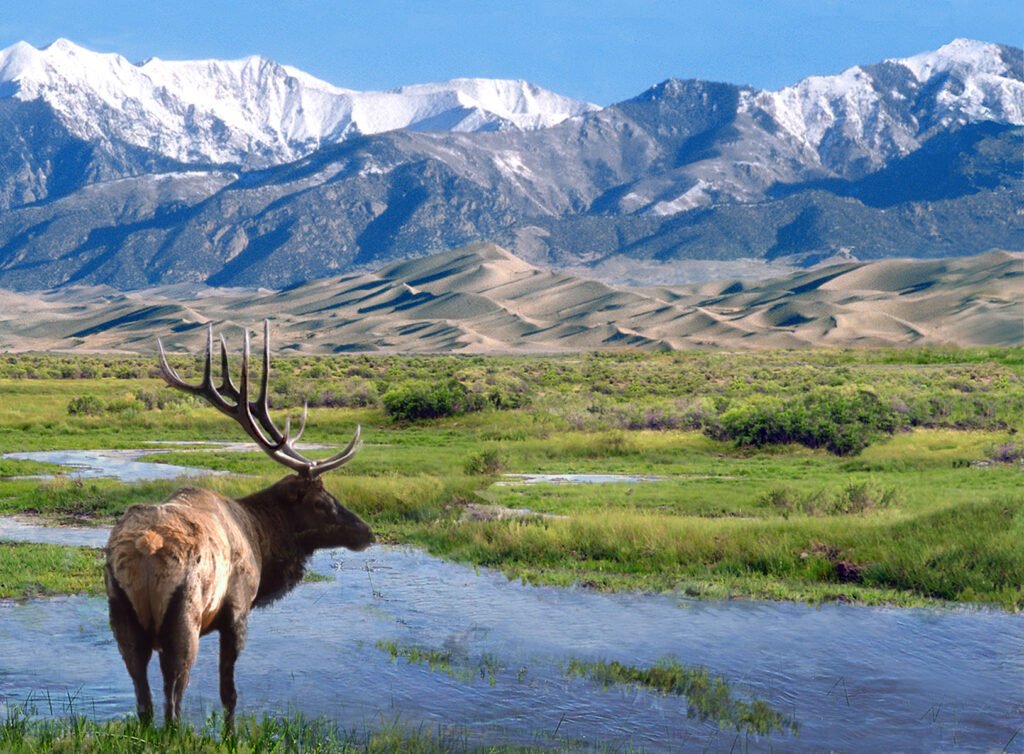
Located in Colorado, the San Luis Valley plays a significant role in the Rio Grande landscape. This area houses three National Wildlife Refuges, vital for many bird species, including the Rio Grande cutthroat trout and Sandhill Cranes. The Valley serves as a prime example of human-wildlife coexistence, showcasing how communities can thrive alongside robust ecosystems.
Key Highlights
- National Wildlife Refuges: Home to diverse avian species and thriving agriculture.
- Diverse Ecosystems: A crucial spring stopover for migratory birds, the San Luis Valley provides essential habitat for wildlife.
Collaborative Futures: Where Do We Go from Here?
Communities across the Rio Grande Basin must come together to meet the challenges posed by climate change and water scarcity. Collaborative approaches to water management that consider both human and ecological needs are critical for protecting the lifeblood of the Southwest.
Ongoing Initiatives
Efforts such as the Groundswell on the Rio Grande aim to illustrate the interconnectedness of local communities and their water resources, highlighting why cooperative action is essential for sustainability.
In Texas, the lower Rio Grande remains a vital resource for drinking water and agriculture. However, the current state of investment in the basin is far below other significant U.S. river systems. American Rivers is advocating for partnerships that enhance aquatic connectivity and protect this region’s valuable water resources.
Conclusion: Prioritize the Rio Grande
The Rio Grande requires immediate and sustained attention for conservation and restoration efforts. A holistic focus on protecting the river is crucial for ensuring its health, sustainability, and availability for generations to come. The challenges are significant, but through community collaboration, innovative water management, and strong conservation policies, the Rio Grande can continue to thrive as a cornerstone of life in the American Southwest.
Support initiatives aimed at securing the future of this crucial river by exploring resources, local partnerships, and policies that prioritize ecological health and sustainable water usage. Together, we can help preserve the integrity of the Rio Grande for both human populations and wildlife alike.
