


Healthy Eating in the Rio Grande Valley: Navigating the Diabetes Epidemic
For many residents of the Rio Grande Valley, traditional meals like tacos, rice, beans, and fast food are everyday staples. While these dishes are delicious and culturally significant, they can contribute to health issues such as diabetes if not consumed mindfully. Understanding how to make healthier choices without sacrificing the flavors we love is crucial for a healthier future.
Convenience vs. Health: A Common Dilemma
Karina Brana, a Brownsville resident, shares her struggles with meal choices in the face of a busy lifestyle. "Sometimes I don’t have time, and I go eat something like a maruchan or McDonald’s," she admits. This highlights a common issue faced by many individuals: the challenge of balancing convenience with nutritional value.
Family History Matters
Brana’s motivation for change stems from her family’s health history. With a father diagnosed with diabetes, she understands the imperative of modifying her diet. “He can’t have a lot of sugar; he always measures his blood pressure,” she explains. This awareness pushes her to take small yet significant steps toward healthier eating habits.
Small Changes Make a Big Difference
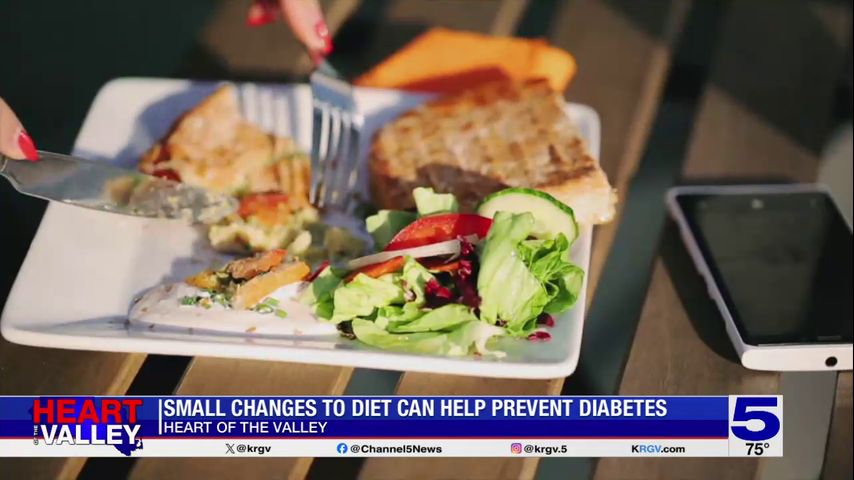
Brana is beginning to incorporate more vibrant vegetables into her meals. “I’ve been eating a lot of veggies because I was such a picky eater,” she says. Vegetables not only add color to the plate but are also vital for balanced nutrition.
Cultural Roots and Exercise
Maximo Saenz, another Brownsville resident, shares a different perspective. “I’m Mexican; I love tamales, I love enchiladas, I love sopes, tacos,” he states. His love for traditional foods is balanced with a commitment to exercise, as he hits the gym five days a week, aiming to counteract the calorie intake from his favorite dishes.
“I like big, big portions of food, and I get to burn those calories with exercise," Saenz adds. However, experts caution that it is not just about calorie intake, but also the types of foods consumed.
Understanding the Impact of Food Choices
Registered dietitian and nutritionist Jonathan Chapa emphasizes the importance of food composition in diabetes management. “If we’re doing rice, beans, tortillas, and a Coke, it’s basically starch, starch, starch, and sugar. That combination can cause spikes in blood sugar," he explains. This is a critical point for residents to consider, particularly those who may be genetically predisposed to diabetes.
The Risk of Insulin Resistance
Over time, these spikes in blood sugar can lead to insulin resistance, even among physically active individuals. Chapa warns that the issue often lies in portion sizes and the tendency to stack starchy vegetables on top of each other, often washed down with sugary drinks like agua frescas and Coke.
Finding Balance in Traditional Diets
The good news? People don’t necessarily have to eliminate their favorite foods. Implementing small changes—like increasing vegetable intake, reducing consumption of sugary beverages, and practicing portion control—can dramatically improve health outcomes.
Brana and Saenz are both committed to finding this balance. Brana succinctly states, “I know I need to eat healthier if I want to live longer and have a better life.”
Community Initiatives and Resources
This April, CHANNEL 5 NEWS is launching a campaign to educate viewers about diabetes prevention and treatment in the Rio Grande Valley. They will explore this pressing health issue from various angles, aiming to spread awareness and facilitate healthier choices in the community.
In addition, H-E-B and South Texas Health System are partnering to offer free diabetes screenings throughout the month of April. For residents interested in taking proactive steps toward their health, check the calendar here for times and dates of the screenings.
Conclusion: A Healthier Future is Possible
The journey to healthy eating in the Rio Grande Valley is not just about changing individual habits, but also about supporting communities in understanding the risks associated with diabetes. With education, resources, and a commitment to small lifestyle changes, residents can enjoy their favorite foods while paving the way for a healthier future.
For more information on diabetes management and prevention, be sure to stay tuned for upcoming educational programs and screenings available in the area. Embrace the challenge of healthier eating—your body and future self will thank you.
