


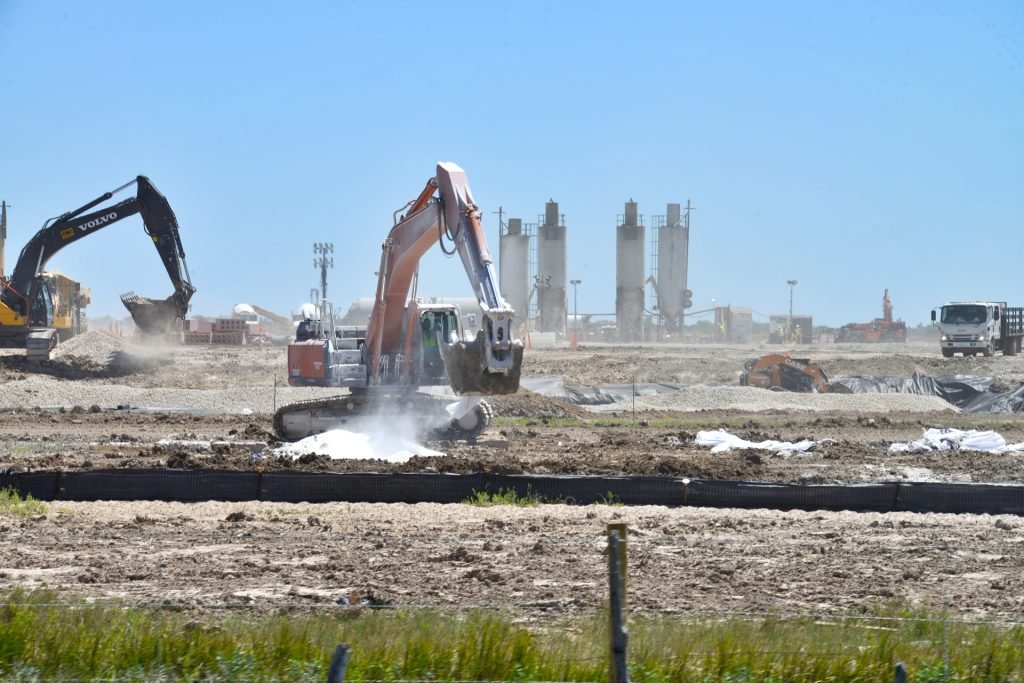
The Future of LNG Projects in the Rio Grande Valley: Opportunities Amid Challenges
A recent court ruling has temporarily halted the completion of a liquefied natural gas (LNG) distribution facility at the Port of Brownsville, stirring concerns among local officials and stakeholders. However, this decision does not entirely eliminate the possibility of moving forward with the project. Instead, it provides an opportunity for discussions around environmental considerations and project modifications.
Understanding the Court Ruling: A Temporary Setback
The court’s decision arises amidst ongoing tensions in the realm of natural gas projects, particularly following President Biden’s directive in January to pause new LNG plant permits by the Federal Energy Regulatory Commission (FERC). While this pause does not affect previously approved permits, it has created uncertainty surrounding future developments.
One significant approval, the first phase of the Rio Grande LNG facility, is nearly complete and remains by all indications poised to move forward despite the recent decision. This facility, a subsidiary of Houston-based NextDecade, holds promise for economic growth in the region, yet faces scrutiny from environmental advocates.
In July, a federal judge ruled that while new permit approvals may be paused, the administration is still required to consider existing permits. Local environmental groups have responded by filing lawsuits, leading to further judicial review. On August 6, a federal appeals court ruled to halt construction of the Rio Grande project pending further environmental evaluation, emphasizing the need for specific environmental impact studies for this phase of development.
A Path Forward: Addressing Environmental Concerns
Despite the hurdles, local officials argue that the project will ultimately benefit the community through job creation and revenue generation. However, the recent court rulings highlight the importance of addressing environmental impacts. The FERC is set to initiate a new public comment period to facilitate a more comprehensive environmental review, a step that may alleviate some concerns while allowing the project to proceed.
The decision showcases that while projects like the Rio Grande LNG facility play a crucial role in the local economy, they also necessitate careful consideration of their environmental footprint.
Jobs and Economic Benefits
Local leaders emphasize that the LNG plants promise substantial employment opportunities and fiscal benefits for the Valley, underscoring the necessity of balancing economic development with environmental stewardship. A broader understanding of the employment potential tied to these projects can help the community engage with the stakeholders involved, fostering a collaborative approach toward responsible energy production.
The Environmental Perspective
Environmentalists argue that the focus should not only be on the economic perks of LNG projects but also on their larger environmental implications. Many advocate for an immediate transition to entirely green energy initiatives, prioritizing renewable resources over fossil fuels like natural gas. While the aspiration for a completely sustainable energy future is commendable, it raises critical questions about feasibility and practicality.
Many regions in the U.S., including the Rio Grande Valley, are seeing increasing investments in renewable energy sources such as wind and solar. However, until these sources can fully meet the energy demands, natural gas remains a necessary bridge, providing a cleaner alternative to coal and oil.
Seeking Collaborative Solutions
Advocates on both sides of the LNG debate should strive for constructive dialogue. Rather than adopting hostile stances or erecting barriers to industrial development, efforts should be directed toward creating sustainable solutions that address the environmental concerns while helping energy companies meet energy demands responsibly.
Working together can lead to innovative strategies that can sufficiently reduce ecological impacts while allowing significant economic benefits. Collaborative planning is crucial as both sides aim to create a balanced approach that fosters economic growth and environmental protection.
Future Prospects
The Rio Grande LNG project is not dead; it may even thrive under the right conditions. The near completion of the first phase indicates a path forward, while the second phase remains contingent on ongoing environmental assessments and community engagement.
As we move forward, it is essential for both proponents and opponents to carefully evaluate the project’s implications and seek pathways for improvement. Doing so can foster a more cooperative environment, ensuring that the region harnesses the benefits of natural gas while safeguarding its natural resources for future generations.
Conclusion: A Collective Responsibility
The ongoing developments surrounding the LNG facility at Port Brownsville present an intersection of economic ambition and environmental consciousness. It is the responsibility of local officials, environmental groups, and stakeholders to engage with one another in a productive manner, aiming for solutions that will benefit both the economy and the environment. This collective responsibility is vital for navigating the complexities of energy development while ensuring that progress does not come at the expense of our planet’s health.
For those interested in learning more about the latest in LNG projects and environmental policies, further reading can be found through resources like NextDecade or the Federal Energy Regulatory Commission.
