


The Controversy Surrounding LNG Development in the Rio Grande Valley
Introduction to LNG Projects in the Rio Grande Valley
In May 2015, a pivotal moment for the Rio Grande Valley unfolded. The Port Isabel Event and Cultural Center buzzed with energy as industry leaders gathered to present plans for liquefied natural gas (LNG) export terminals along the Brownsville Ship Channel. Three major companies—Rio Grande LNG, Annova LNG, and Texas LNG—sought to usher in a new era of energy development in an area little acquainted with such initiatives. While executives engaged with the community, the event also highlighted a deep-seated conflict brewing outside.
Public Response: Grassroots Opposition Emerges
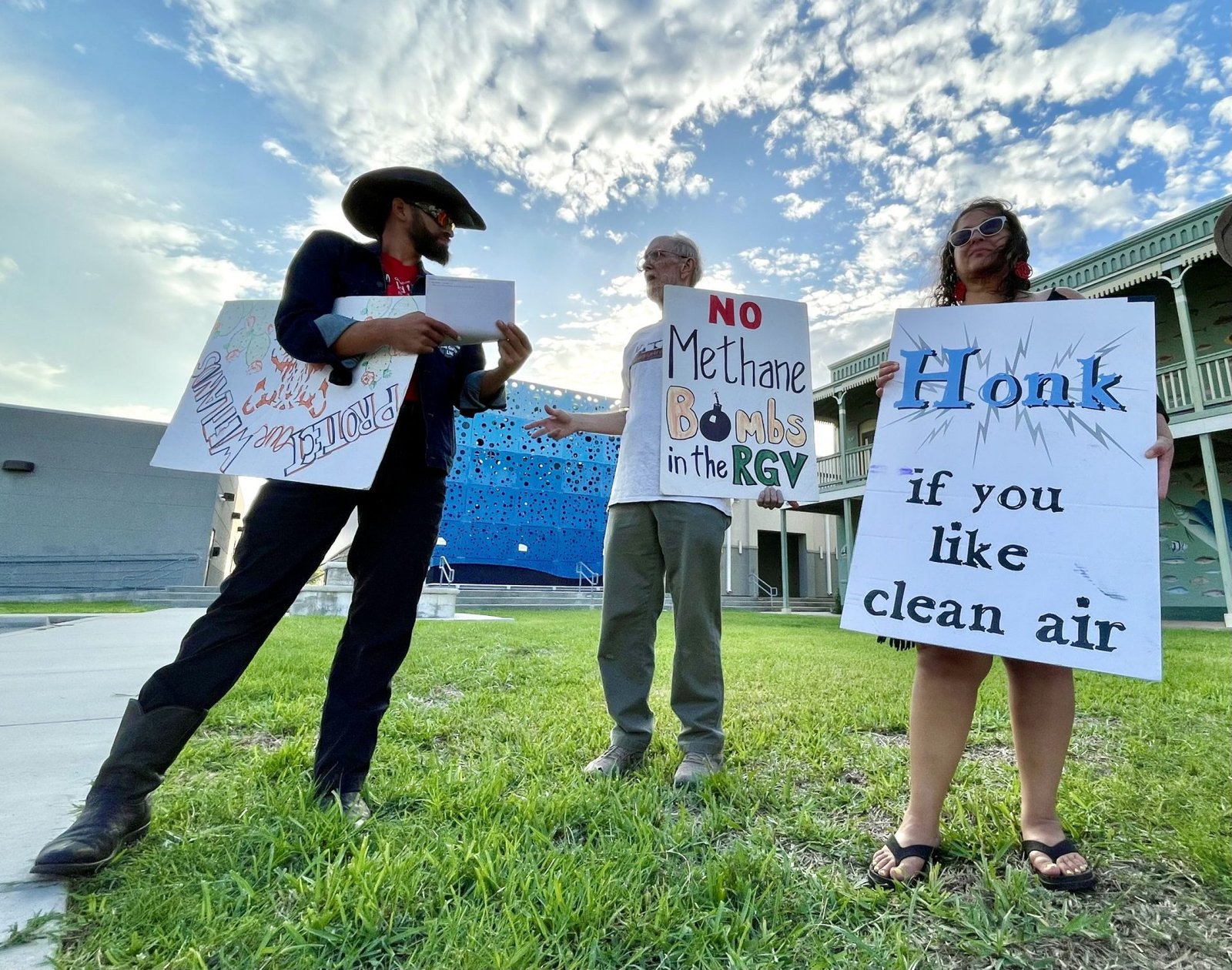
As officials from LNG companies mingled with local residents, outside the event center, a different narrative was at play. Protesters with signs conveying messages like “Their pipedream is our nightmare” and “Save RGV from LNG” voiced their concerns about the potential repercussions of expanding the fossil fuel industry in the Valley. This grassroots response soon coalesced into a movement known as Save RGV, drawing support from environmentalists, locals, and small business owners.
The emergence of this collective opposition underscored a growing unease with the planned LNG projects. Save RGV quickly organized meetings to educate the public and facilitate engaging discussions, further solidifying its stance in the community.
Local Governments Take a Stand
The grassroots efforts were not in vain. By August 2015, the Laguna Madre Water District became the first governing body to officially oppose LNG, refusing to supply the necessary water for such projects. Soon after, local city councils, including Port Isabel, Laguna Vista, and South Padre Island, passed similar resolutions expressing their opposition, often in packed public meetings that witnessed an outpouring of local sentiment.
The LNG companies faced a challenging environment as they attempted to secure regulatory approvals amidst vocal community dissent. Despite their efforts to garner public support, which included bringing their own allies to these meetings, the opposition from residents and local officials persisted.
The Tug-of-War: Financial Wins and Losses
Over the years, the struggle between LNG companies and community opponents turned into a complex dance of negotiations and formal agreements. For instance, in 2017, Rio Grande LNG managed to secure a lucrative tax abatement from the Cameron County Commissioners’ Court, despite one dissenting vote from County Judge Eddie Treviño Jr. This agreement promised substantial financial benefits for the county over the next decade.
Conversely, Annova LNG faced setbacks, with initial proposals also being met with local resistance. While they ultimately secured a significant $373 million tax abatement agreement, plans to establish their facility were abandoned in 2022 due to failed customer negotiations.
Seeking Incentives from School Districts
Apart from county-level incentives, LNG companies sought financial perks from local educational institutions. The Point Isabel Independent School District (PI-ISD) initially rejected proposals for tax credits, making them the first district in Texas to do so. Subsequent attempts by Rio Grande LNG were also met with refusal, showcasing a united front from local entities against the projects.
Legal Battles Over Environmental Concerns
The opposition’s fight extended beyond board meetings to the legal arena, with Port Isabel at the forefront. The city has engaged in litigation against various entities, including the Port of Brownsville and the Federal Energy Regulatory Commission (FERC). Port Isabel alleges that the proposed LNG facilities could jeopardize public health, a claim that has resonated within the community.
City Manager Jared Hockema noted that Port Isabel invested significant resources into these legal battles, highlighting concerns regarding environmental justice. The city has argued that the sites for LNG development are disproportionately located near socioeconomically disadvantaged populations, further labeling the initiatives as “environmental racism.”
Recent Developments: LNG Companies Press On
Despite ongoing legal and community challenges, the LNG projects remain active. In August, NextDecade, the parent company of Rio Grande LNG, expressed optimism regarding regulatory approvals and announced progress in securing customer agreements alongside delaying the company’s final investment decision until late 2023. Significant contracts have been formed with international firms such as ENN LNG, ENGIE, and ExxonMobil, which emphasizes the global interest in these projects.
Conclusion: The Future of LNG in the Rio Grande Valley
As the conflict between local advocates and LNG companies continues, the future of the Rio Grande Valley remains uncertain. Residents mobilized under the Save RGV banner reflect a community deeply engaged in its environmental future. As the dialogue evolves, public sentiment and legal outcomes will play a critical role in determining whether these LNG projects can navigate the complexities of environmental concerns and local opposition. The community’s voice, amplified through public forums and protests, will undoubtedly shape many discussions ahead in this ongoing saga over energy development in the region.
For further reading about the ongoing battles surrounding LNG projects, visit the Federal Energy Regulatory Commission FERC.
