


A Wave of Support for Regime Change: Massive Protests Against Iran’s Government
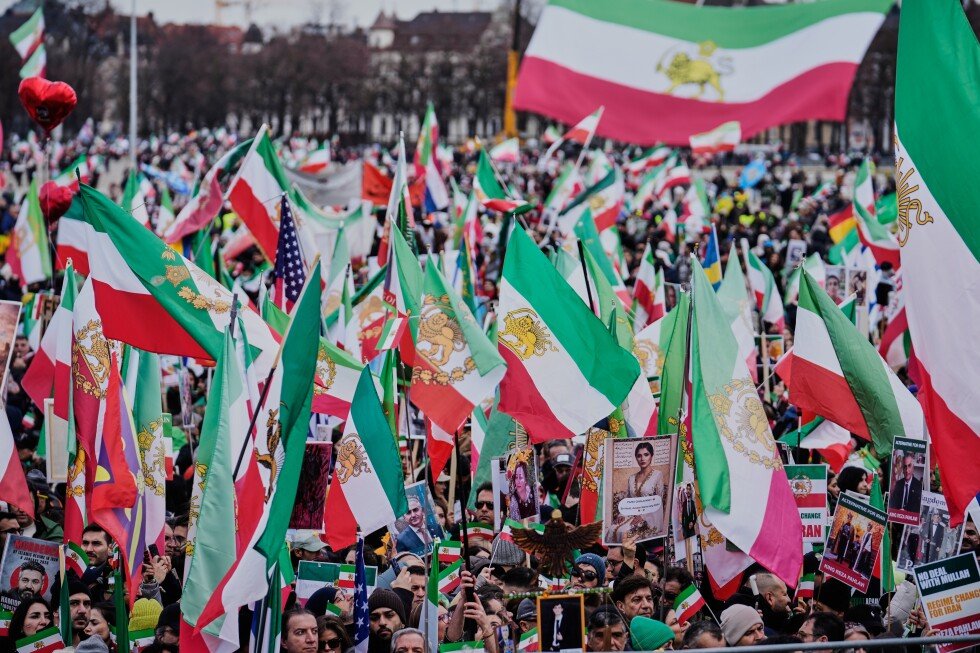
MUNICH (AP) — On Saturday, an astounding 250,000 people took to the streets in Munich, demonstrating against Iran’s government amid an international gathering of leaders from around the globe. This significant protest was spurred by a call from Reza Pahlavi, Iran’s exiled Crown Prince, who urged for heightened international pressure on Tehran. The demonstration coincided with what Pahlavi termed a “global day of action,” aimed at rallying support for Iranians in light of escalating protests and governmental crackdowns.
A Boisterous Display of Unity
Chanting for “regime change” and proudly waving green, white, and red flags — the emblem of Iran prior to the 1979 Islamic Revolution that ousted the Pahlavi dynasty — the demonstrators made their voices heard loud and clear. Police reported that the crowd exceeded expectations, reflecting a powerful collective demand for change.
“Change, change, regime change,” echoed throughout the streets, underscoring a shared hope for a better future for Iran.
During a press conference, Pahlavi expressed grave concerns over potential further losses of life in Iran, directly addressing the international community’s responsibility to act.
Global Solidarity with Iran
As part of this initiative, simultaneous protests also occurred in cities like Los Angeles and Toronto, with an estimated 350,000 participants rallying for change in Canada alone. Stunned by the outpouring of support, Toronto Police confirmed the substantial turnout.
In Munich, many supporters donned red caps emblazoned with “Make Iran Great Again,” a nod to the political branding synonymous with former U.S. President Donald Trump. U.S. Senator Lindsey Graham, a prominent Republican figure, was spotted among demonstrators, utilizing the cap to emphasize his solidarity with the cause, even giving a speech that resonated with the crowd.
The Role of Reza Pahlavi
Amidst the clamor, Reza Pahlavi’s presence loomed large, with many holding placards showcasing his image, some even labeling him a king. Having lived in exile for nearly 50 years, he is keen to re-establish himself as a key figure in Iran’s potential future.
Crowd chants resounded with phrases like “Pahlavi for Iran” and “democracy for Iran,” indicating a collective yearning for a leadership change that reflects their aspirations.
Daniyal Mohtashamian, a protester who traveled from Zurich, emphasized the dire situation faced by those voicing dissent within Iran. He noted the ongoing internet blackout that silences many voices yearning to be heard.
The Human Cost of Dissent
The call for international intervention is underscored by alarming statistics, with reports from the U.S.-based Human Rights Activists News Agency indicating over 7,000 fatalities resulting from protests over the past month, including casualties among governmental forces. In stark contrast, the Iranian government reported a significantly lower death toll of 3,117, reflecting a tendency to undercount fatalities during such crises.
The lack of reliable information has been exacerbated by disrupted communication lines, making independent assessments nearly impossible.
Rising Pressure from Global Actors
Of particular note is the renewed pressure from Trump, who has been vocal about taking further action against Iran unless it diminishes its nuclear ambitions. He posited that regime change "would be the best thing that could happen."
Iran’s political climate has drawn attention not just in Munich but globally, with protests aligned against an oppressive regime emphasizing the sentiment of those advocating for freedom and human rights.
Conclusion: The Need for Global Awareness
As the protests unfold, they serve to remind the world of the urgent need for action and solidarity with those oppressed under authoritarian governance. Will the international community rise to support the citizens of Iran? As Pahlavi poignantly questioned, the choice now lies with democracies around the globe.
The plight of Iranians seeking freedom and change echoes across borders, urging collective global responsibility to foster a brighter future for Iran. The movements demonstrating in Munich and beyond reaffirm that the call for democracy cannot be silenced. Learn more about the Iranian protests here and how they impact international relations.
