


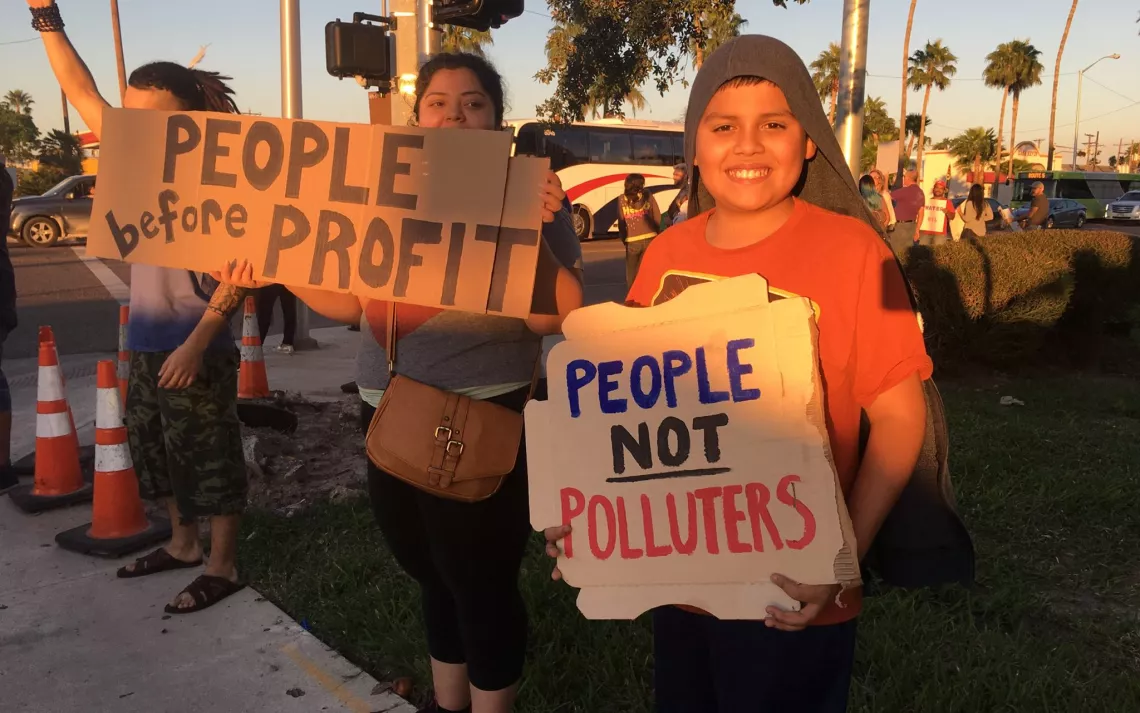
Protecting the Rio Grande Valley: A Fight Against Environmental Racism
The Rio Grande Valley, a vibrant region infused with rich cultural heritage, faces a significant threat from proposed liquefied natural gas (LNG) export terminals. These developments not only pose environmental risks but also threaten the historical and cultural legacy of the communities that call this area home.
The Cultural Significance of the Rio Grande Valley
The Rio Grande Valley is more than a geographical location; it is a cultural tapestry woven from the lives of Tejano and Indigenous families. The area is known for its dynamic Latino communities and a profound sense of belonging that transcends generations. It is home to over 1.3 million residents who navigate the complex realities of life along the U.S.-Mexico border while contending with challenges from the Gulf of Mexico, including environmental degradations caused by oil and gas industries.
Despite its cultural richness, the Valley has historically faced neglect regarding the acknowledgment of its indigenous roots and Tejano history. Texas public education has often overlooked these stories, while historical markers in the region predominantly celebrate the achievements of wealthy white landowners. This erasure fosters an environment where cultural ignorance thrives, making it essential to advocate for preservation and recognition.
Proposed LNG Terminals: Environmental and Cultural Threats
Several LNG terminals have been proposed at the Port of Brownsville, threatening low-income neighborhoods populated mostly by Latino families. These projects will involve extensive industrial complexes, including towering storage tanks filled with flammable gas and extensive new pipeline networks. Should these projects gain approval from the Federal Energy Regulatory Commission (FERC), they will bring with them a slew of environmental hazards, including air and water pollution, potentially impacting local livelihoods, particularly those of shrimpers reliant on clean waterways.
The Remains of Ancestors: A Call for Respect
The area’s history is marked by painful episodes of cultural disrespect, such as cases where indigenous burial sites have been excavated and remains relocated without proper consultation or consideration for sacred traditions. Notably, the potential construction on burial grounds raises alarm. The consistent lack of recognition for these sites and the communities connected to them is emblematic of ongoing environmental racism.
Eduardo Martinez, a prominent figure in the community, has highlighted the historical neglect and cultural loss that comes with disregarding indigenous heritage. An incident in 2013, where indigenous remains were reburied following an excavation, serves as a reminder of the need for ethical practices regarding burial sites.
The Garcia Pasture Site: An Archaeological Treasure
One critical site at risk is the Garcia Pasture, rich with archaeological artifacts from indigenous cultures. Despite its importance, Texas LNG has been criticized for neglecting to include necessary tribal consultations in their Cultural Resource report submitted to FERC. Juan Mancias, Chairman of the Carrizo/Comecrudo Tribe of Texas, emphasizes the urgency of preserving and honoring these cultural lifeways, condemning the oversight as a continuation of historical negligence.
The National Park Service corroborates these concerns, noting that Texas LNG’s report significantly downplays the archaeological significance of the Garcia Pasture, which is central to understanding the region’s pre-Columbian heritage.
The Need for Transparency and Accountability
Texas LNG’s proposed mitigation plan raises additional questions regarding accountability in the event of discovering cultural resources. The plan suggests that it is the company’s responsibility to identify any remains or cultural resources during construction, a clear conflict of interest given their financial stakes in the project. This oversight shift could lead to further disrespect towards the region’s indigenous heritage.
Collective Action: Standing Against the Destruction
The fight to protect the Rio Grande Valley is part of a larger national movement advocating for indigenous rights and environmental justice. Communities across the country, including the Standing Rock Sioux, have rallied against similar threats posed by fossil fuel companies, emphasizing the importance of protecting sacred lands and cultural legacies.
The indigenous peoples of the Rio Grande Valley remain steadfast in their commitment to preserve their cultural identity and geographical heritage. By standing united, they resist the encroachment of industries that threaten to erase their history and harm their environment. This struggle is about more than just a fight against pollution; it is a fight for dignity, respect, and recognition of an invaluable legacy.
Conclusion: A Call to Protect and Preserve
As the battle continues against the construction of LNG terminals in the Rio Grande Valley, it becomes increasingly vital to advocate for the protection of both the land and its cultural narratives. Comprehensive engagement and respect for the historical significance of these sites must take precedence over profit-driven motives. The preservation of the Valley’s cultural identity is a shared responsibility, and each action—both big and small—contributes to the collective fight for justice and recognition.
For more information on environmental racism, you can explore resources from Greenpeace.
Together, we can safeguard the stories and legacies that shaped this incredible region.
