


The Impact of Potential Medicaid Cuts on Healthcare in the San Luis Valley
The Fragile Healthcare Landscape in Rural Colorado
Nestled in the heart of the San Luis Valley, south-central Colorado, the community is a tapestry woven together by agriculture and health care. Amidst the majestic Sangre de Cristo mountains, residents feel a palpable tension as proposed Medicaid cuts loom on the horizon.
Konnie Martin, the CEO of San Luis Valley Health in Alamosa, expresses a mix of worry and optimism regarding the potential repercussions of these cuts. With 50,000 residents from six agricultural counties—Alamosa, Conejos, Costilla, Mineral, Rio Grande, and Saguache—this facility stands as a healthcare backbone for its community.
Medicaid: The Lifeline of Rural Health Care
The anxiety surrounding Medicaid is not unfounded. The financial structure of San Luis Valley Health reveals that nearly one-third of its annual budget—approximately $140 million—depends on this program. Shane Mortensen, the hospital’s CFO, highlights that these impending cuts could "devastate" operations, making it necessary to reduce services or worse.
Given that two in five residents in Alamosa County are enrolled in Colorado’s Health First Colorado program, Medicaid serves as a vital lifeline, particularly for seniors and low-income families who face significant healthcare access challenges.
Personal Stories: The Real Impact
Families are feeling this anxiety firsthand. Julianna Mascarenas, a mother of six, shares the struggle of managing costs without Medicaid. “I looked into our insurance, and it’s just going to take half my check to pay insurance,” she laments. Her family’s reliance on Medicaid underscores the program’s role in safeguarding health care access amid financial constraints.
Similarly, Chance Padilla, a foster parent, reflects on how Medicaid enables him to provide necessary medical care for children who come into their home, many of whom require extensive medical interventions.
The Broader Implications of Healthcare Cuts
The potential cuts extend beyond individual hardships; they jeopardize critical health services, including maternity and cancer care. San Luis Valley Health employs around 750 people, making it the region’s largest employer. Dr. Clint Sowards, a primary care physician, warns that loss of Medicaid funding could hinder the ability to attract healthcare providers and may force families to travel long distances for essential services.
Emotional and Physical Wellbeing
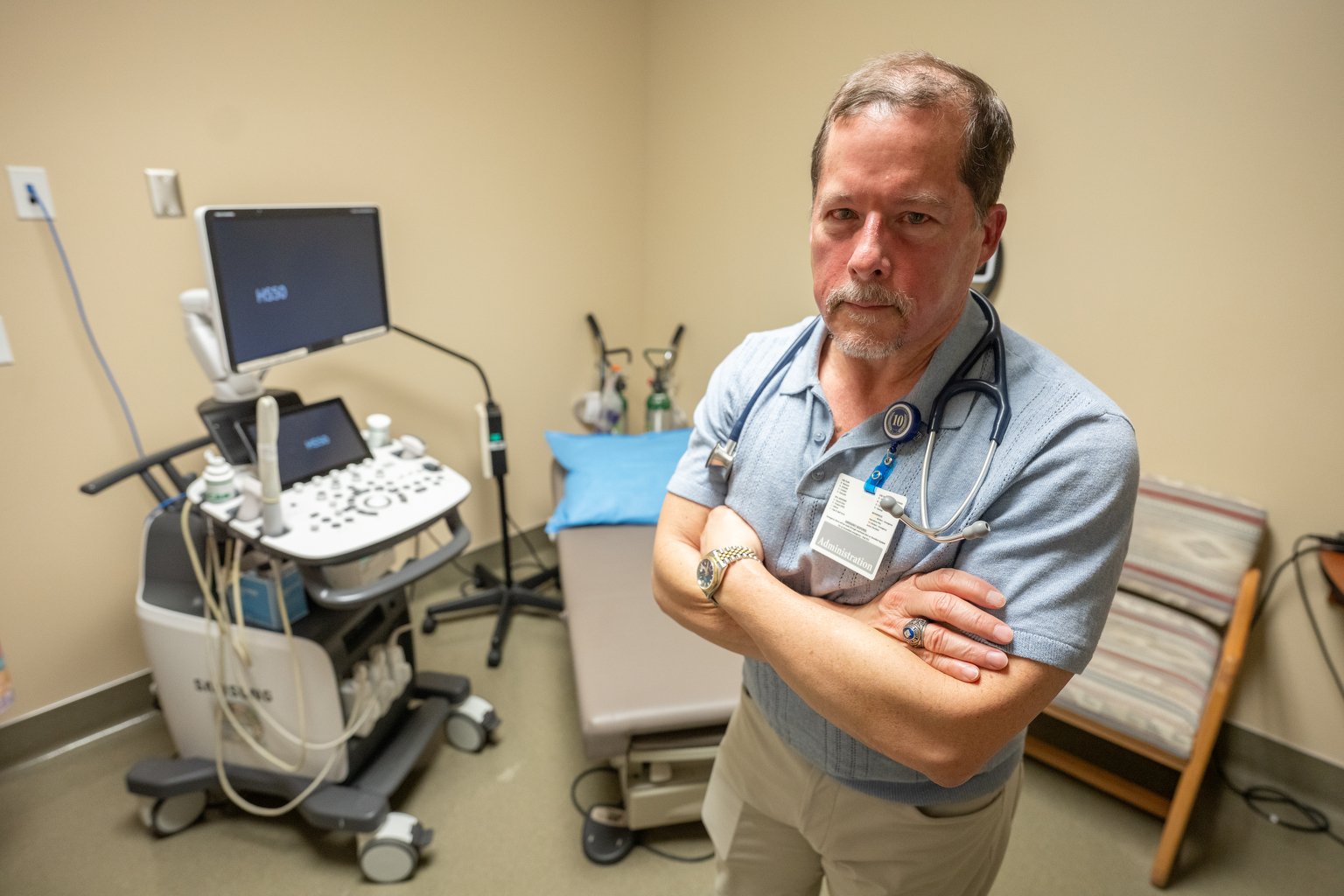
Dr. Carmelo Hernandez, the hospital’s chief medical officer, emphasizes that Medicaid supports a wide array of services critical to community health, including vaccinations for children. He stresses that any potential funding reductions could lead to increased chronic diseases and higher mortality rates.
In rural areas where long distances can separate patients from providers, losing local services like the hospital’s labor and delivery unit could leave families without adequate care options. Many women in the valley rely on Medicaid for their pregnancy care, and Tiffany Martinez exemplifies this reliance as she navigates her own high-risk pregnancy.
Economic Impacts on the San Luis Valley
The ramifications of Medicaid cuts resonate throughout the local economy. Alamosa is not only a hub for agriculture but also crucial for commerce. Local businesses, from coffee shops like Roast Cafe to financial institutions such as San Luis Valley Federal Bank, thrive partly due to the economic stability provided by the hospital and its associated services.
Joe Martinez, president of the bank, expresses concern for the economic toll cuts would take on both the community and small businesses. “The valley has three of the poorest counties in the nation,” he states. “If Medicaid cuts differ for families, the downstream effects will be felt across various sectors.”
Seeking Solutions in Challenging Times
As negotiations continue in Congress about potential cuts, many community leaders are beginning to articulate their concerns clearly. Ty Coleman, the mayor of Alamosa, recently relayed the economic devastation such cuts could bring to Washington, emphasizing the need for dialogue around maintaining funding.
Higher education institutions like Adams State University also feel the ripple effects. President David Tandberg notes how Medicaid’s funding cuts would shift financially burdening healthcare responsibilities to the state, subsequently compounding issues related to education funding.
A Call for Thoughtful Policy Decisions
The concerns expressed by healthcare providers, local business leaders, and public officials underlie a common theme: the necessity of understanding how Medicaid cuts would reverberate through the entire community. From increased healthcare costs to broader economic implications, cuts may endanger not just the hospital but also the very fabric of rural life in the San Luis Valley.
In a community dedicated to supporting each other through challenges, there is hope that policymakers will consider the comprehensive impact of their choices. Local leaders urge for a balanced approach to Medicaid funding, one that emphasizes sustainability and comprehensive health coverage for every resident.
In the San Luis Valley, as in many other rural communities, the stakes are high, and health care remains not just an individual concern but a vital pillar supporting the community as a whole.
