


Overcoming Challenges in Physician Recruitment in the Rio Grande Valley
Introduction to Medical Recruitment Challenges
In the heart of the Rio Grande Valley, Dr. Michael B. Hocker, the esteemed dean of the University of Texas-Rio Grande Valley (UT-RGV) School of Medicine, has highlighted the pervasive challenges involved in recruiting healthcare professionals to this region. These hurdles often start with preconceived notions about the safety and desirability of living and working in a border area.
Misconceptions and Realities of the Region
Dr. Hocker recounts his experience in recruitment conversations. "When I talk to potential candidates, their immediate response often reflects a lack of familiarity with the Rio Grande Valley," he explains. The conversation often starts with confusion about the institution itself, followed by inquiries about the area. He notes, “Their first reaction is often disbelief about why one would move to a border town; they follow up with concerns about safety."
These misconceptions, he argues, stem largely from media portrayals of border regions, which can skew public perception. “It’s essential to inform prospective physicians that the Rio Grande Valley is actually one of the safest places in the country,” Dr. Hocker emphasizes. He invites them to experience the area firsthand, noting that many are surprised to discover its vibrant community and scenic beauty, often dubbed a "tropical paradise".
The Historical Context of Medical Education in the Valley
The need for medical education in the region has deep historical roots. “Efforts to establish a medical school in the Rio Grande Valley date back to the 1940s,” he notes. Yet, it wasn’t until the late 1990s that legislation finally paved the way for the UT-RGV School of Medicine’s creation. This development marks a significant shift in the availability of healthcare, especially in a region traditionally underserved by medical professionals.
"Historically, talented students from the Valley had to leave to pursue their dreams of becoming physicians," explains Dr. Hocker, who is now witnessing a positive change in that trend. Thanks to the establishment of the medical school, there is now hope for a more robust healthcare environment that encourages local students to return.
The Role of UTRGV in Transforming the Community
Dr. Hocker credits UTRGV, particularly President Guy Bailey, with playing a vital role in reshaping the region’s future. “UTRGV is not just another educational institution; it has become a cornerstone for transformation within the community.” He cites impressive statistics, noting that last year alone, the university celebrated over 50,000 graduates since its inception—an achievement remarkable for a population of approximately 1.5 million.
"The impact of UTRGV extends beyond education; it’s about social mobility and reducing student debt while increasing access to healthcare,” he explains. This institution is not just elevating its students but is also elevating the entire region’s quality of life.
Economic Impact of the Medical School
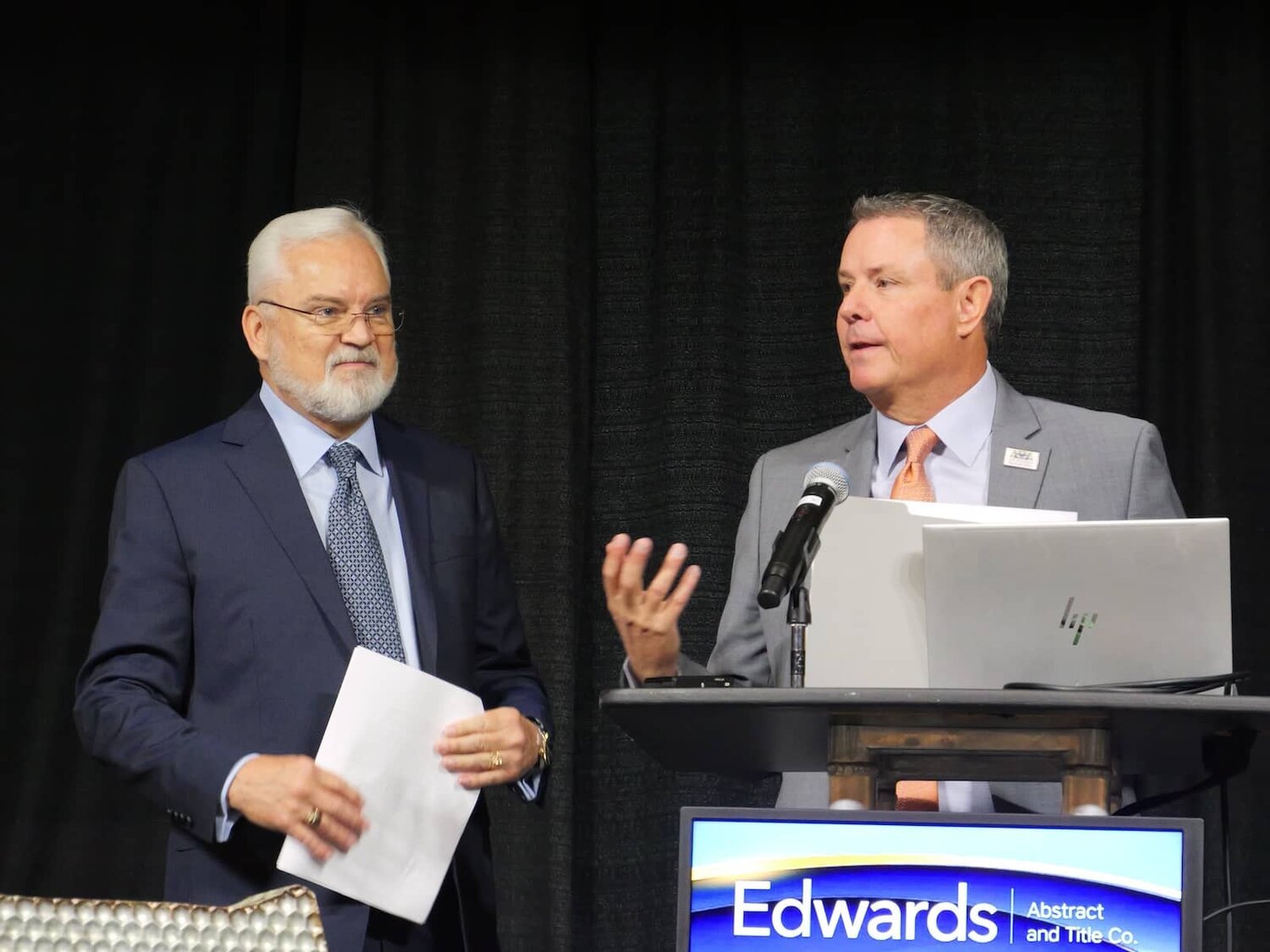
As he addressed a gathering of realtors and developers at a recent State of RGV Real Estate forum, Dr. Hocker emphasized the economic implications of the School of Medicine. Healthcare serves as a significant driver of the local economy. “Since its establishment, we’ve created over 1,000 jobs that didn’t exist ten years ago,” he states. The economic contribution of the School of Medicine is inching toward a staggering billion dollars, projected to double in the next decade, making it a focal point for local growth and community support.
Conclusion: A Bright Future Ahead
Dr. Hocker’s passionate advocacy for the Rio Grande Valley underscores a transformative moment in medical education and healthcare within the region. As the medical school continues to cultivate local talent and improve community health, it also promises to reshape perceptions and foster economic growth.
For those interested in learning more about UT-RGV School of Medicine, its impact on the community, and recruitment efforts, additional details can be found through the Rio Grande Guardian and related healthcare resources.
This article serves as a pivotal point for stakeholders interested in the intersection of education, healthcare, and community well-being in the Rio Grande Valley. It highlights the ongoing efforts to recruit and retain medical professionals, ensuring that the legacy of UTRGV continues to thrive.
