


State of Emergency Declared in the Philippines Following Devastating Typhoon Kalmaegi
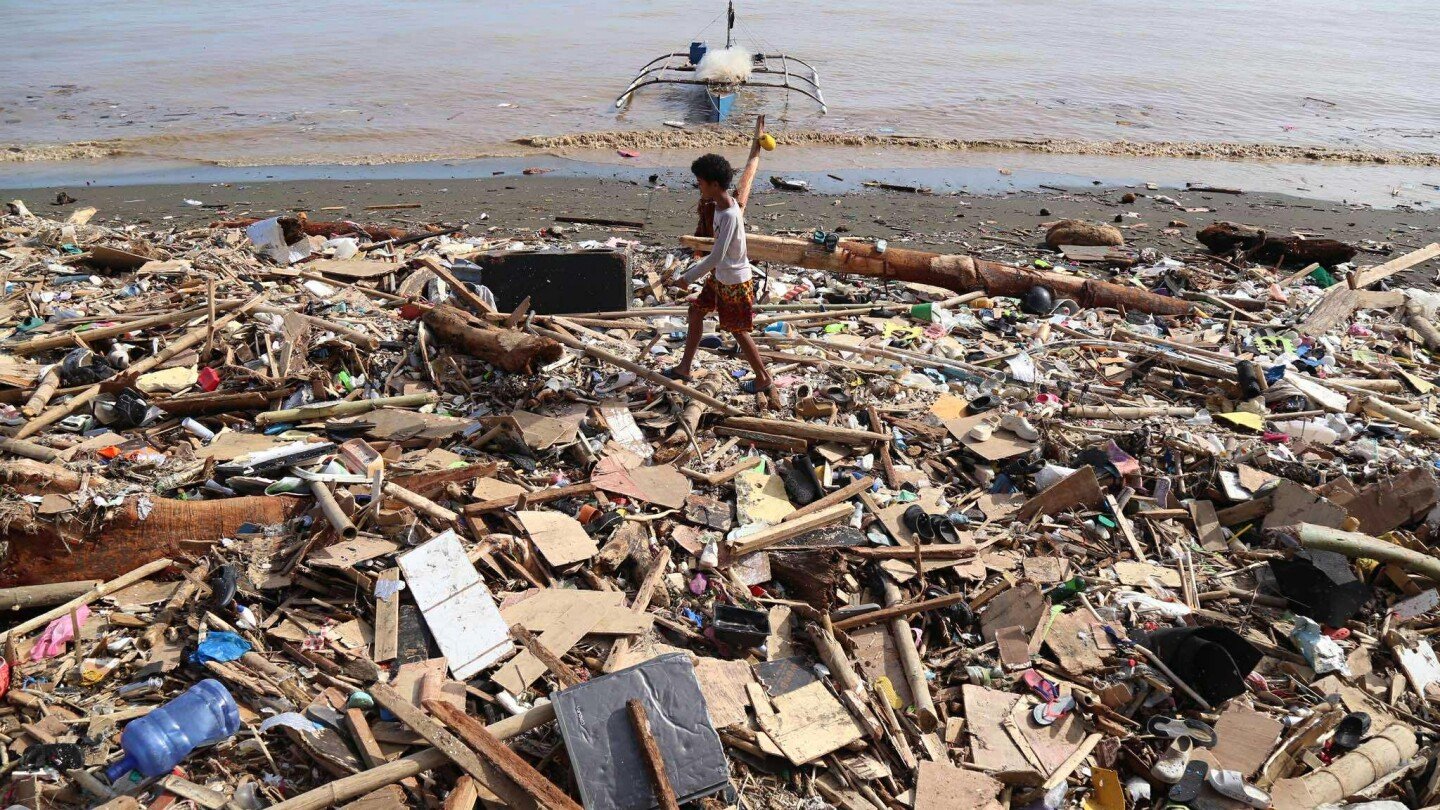
MANILA, Philippines — In a significant response to the catastrophic aftermath of Typhoon Kalmaegi, Philippine President Ferdinand Marcos Jr. has declared a state of emergency. This natural disaster, which struck the country earlier this week, has tragically resulted in at least 114 confirmed fatalities and left over 100 individuals unaccounted for, primarily in the central provinces.
Impact of Typhoon Kalmaegi
Severe Flooding and Casualties
The devastation caused by Typhoon Kalmaegi is profound, with the bulk of deaths attributed to drowning in flash floods. Reports indicate that the central province of Cebu bore the brunt of this disaster, which occurred when the typhoon made landfall earlier in the week. The tropical cyclone has since exited the archipelago, moving into the South China Sea.
- Total Affected: Approximately 2 million residents have been impacted by the storm, with over 560,000 individuals displaced, necessitating evacuations into emergency shelters.
- Fatalities and Missing Persons: The Office of Civil Defense disclosed that at least 71 deaths were recorded in Cebu alone, while additional missing persons were reported in neighboring Negros Occidental.
Authorities confirmed that rescue operations are ongoing, with numerous individuals still stranded in flood-affected areas, particularly in Cebu City where communities were engulfed by swiftly rising waters. Many residents were forced onto rooftops, awaiting rescue as vehicles and properties were submerged.
Emergency Response
The declaration of a "state of national calamity" allows for expedited disbursement of emergency funds, aimed at preventing outcomes such as food hoarding and price inflation during this crisis. In light of ongoing rescue efforts, it has emerged that disaster-response protocols are being evaluated for efficiency, particularly as officials anticipate further weather challenges.
Neighboring Concerns: Vietnam Prepares for Possible Flooding
As Typhoon Kalmaegi approached Vietnam, authorities in Ho Chi Minh City prepared for potential flooding conditions due to coinciding high tides and forecasted heavy rainfall. Meteorologists warned that the city could face significant rainfall—up to 100 millimeters (4 inches)—which could exacerbate flooding risks.
Factors Contributing to the Disaster
Officials have indicated that the extensive damage could be a result of various factors, including longstanding issues with infrastructure. Recent discussions have emerged regarding substandard flood control projects and rampant quarrying activities that have contributed to river blockages, further intensifying flood vulnerabilities in Cebu.
Despite prior preparations, Cebu Governor Pamela Baricuatro stated, “We did everything we can for the typhoon but, there are really some unexpected things like flash floods.” The region was still healing from a September earthquake that claimed at least 79 lives and left thousands displaced.
Future Implications
Disaster-response officials are on high alert, as meteorological forecasts suggest that another tropical cyclone could soon develop in the Pacific, potentially strengthening into a super typhoon. The compounded impact of these weather events could affect a vast area of the Philippines, prompting government calls for heightened readiness and resource allocation.
The Philippines experiences an alarming frequency of natural disasters, averaging around 20 typhoons annually, along with recurring earthquakes and volcanic activity due to its geographical positioning in the Pacific Ring of Fire. This makes the nation particularly vulnerable and emphasizes the need for effective disaster preparedness and infrastructure development to mitigate future risks.
For more information on tropical storms and disaster management, you can visit NOAA and World Meteorological Organization.
This ongoing crisis underscores the resilience of the Filipino people and the importance of collective action in times of adversity. Restoration and recovery efforts in the wake of Typhoon Kalmaegi will be crucial as the nation prepares for potential future threats.
