


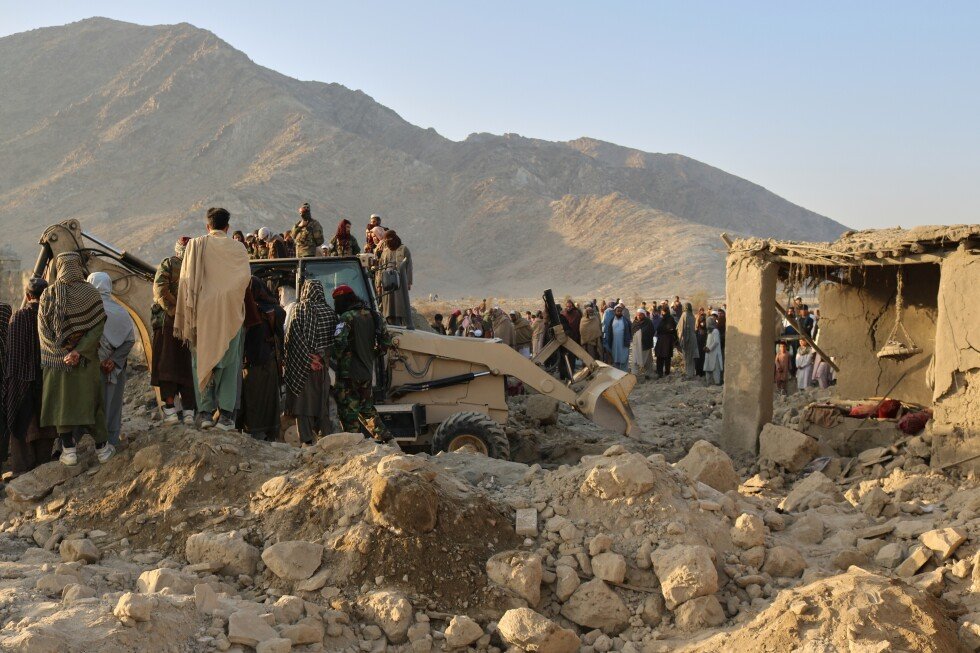
Escalating Tensions: Pakistan’s Military Strikes Target Militant Hideouts Along Afghanistan Border
Introduction
In a decisive move, Pakistan’s military reported early Sunday that it conducted strikes along its border with Afghanistan, aiming to dismantle hideouts believed to belong to Pakistani militants responsible for a surge of violent attacks within the country. This latest military action highlights the growing tensions between the two neighboring nations.
Details of the Military Operations
Though precise locations of the strikes were not disclosed, Pakistani Information Minister Attaullah Tarar characterized these operations as “intelligence-based” efforts against seven camps associated with the Tehrik-e-Taliban Pakistan (TTP) and its affiliates. The operations targeted not only the TTP but also an ally of the Islamic State operating in the border region. Tarar emphasized that these actions are crucial for the safety of Pakistani citizens.
Reactions from Afghanistan
In response, Afghanistan’s government spokesman, Zabihullah Mujahid, claimed that Pakistan’s strikes crossed into Afghan territory, specifically naming attacks on civilians in Nangarhar and Paktika provinces. Mujahid accused the Pakistani military of exacerbating local security issues, asserting that the operations led to casualties among civilians, including women and children.
Recent Violence Triggering Military Strikes
The backdrop to Pakistan’s military action includes a troubling uptick in violence attributed to militant groups. Just days prior to the strikes, a suicide bomber targeted a security post in Bajaur district, resulting in the deaths of 11 soldiers and a child. This event was quickly followed by another attack where a suicide bomber struck a security convoy in the Bannu district, killing two soldiers.
These incidents prompted Pakistan’s military to warn of a robust response, indicating that it would not "exercise any restraint" in targeting those responsible for the violence.
Evidence of External Influence
Minister Tarar stated that there is "conclusive evidence" indicating that recent attacks, including a suicide bombing at a Shiite mosque in Islamabad, were conducted by militants acting under the direction of their leaders based in Afghanistan. He reiterated calls for the Afghan Taliban to take measurable steps to prevent the use of Afghan territory for launching attacks into Pakistan, urging the international community to help press Afghanistan’s authorities to uphold their commitments under the Doha agreement.
Strained Relations and Future Implications
Relations between Pakistan and Afghanistan have been fraught with tension, particularly since a series of deadly border clashes in October, which resulted in significant casualties on both sides. The ongoing violence has been exacerbated by mutual accusations over border security and the presence of militant groups.
Despite a Qatar-mediated ceasefire holding for the most part, negotiations in Istanbul have yet to yield a formal agreement, leaving the relationship between Islamabad and Kabul strained.
Conclusion
The current situation underscores the precarious security dynamics in the region. As Pakistan continues its military operations against militant hideouts, the potential for further escalation looms large. The implications of this conflict not only affect Pakistan and Afghanistan but also resonate across the broader region as global stakeholders seek to address the growing instability.
For in-depth coverage on the implications of militant violence in the region, visit AP News.
