


The Ongoing Battle Against LNG Facilities in the Rio Grande Valley
The Rio Grande Valley (RGV) has been a battleground for environmental protection for nearly a decade. Community organizations have successfully staved off the development of the Rio Grande LNG and Texas LNG facilities, which threaten to disrupt the delicate coastal ecosystems and indigenous heritage of the area. Despite these efforts, the fight to keep liquefied natural gas (LNG) infrastructure out of the region is far from over.
The Threat of LNG Development
If realized, the construction of both Texas LNG and Rio Grande LNG facilities would introduce massive, industrial structures to the RGV coastline. These facilities would not only alter the landscape but would also replicate the detrimental impacts seen in cities like Corpus Christi and Houston. The proposed LNG plants would include towering storage tanks, flare stacks, and ground flares, all situated alarmingly close to populated areas such as Port Isabel.
Environmental and Human Risks
Beyond the immediate industrial hazards, the construction of these facilities entails extensive pipeline networks for transporting flammable gas. In the event of a leak or explosion, these pipelines could necessitate mass evacuations, jeopardizing the safety of local residents and wildlife. Additionally, LNG tanker ships—each stretching roughly the length of three football fields—would congest crucial shipping channels, endangering marine life, including sea turtles vital to the local ecosystem.
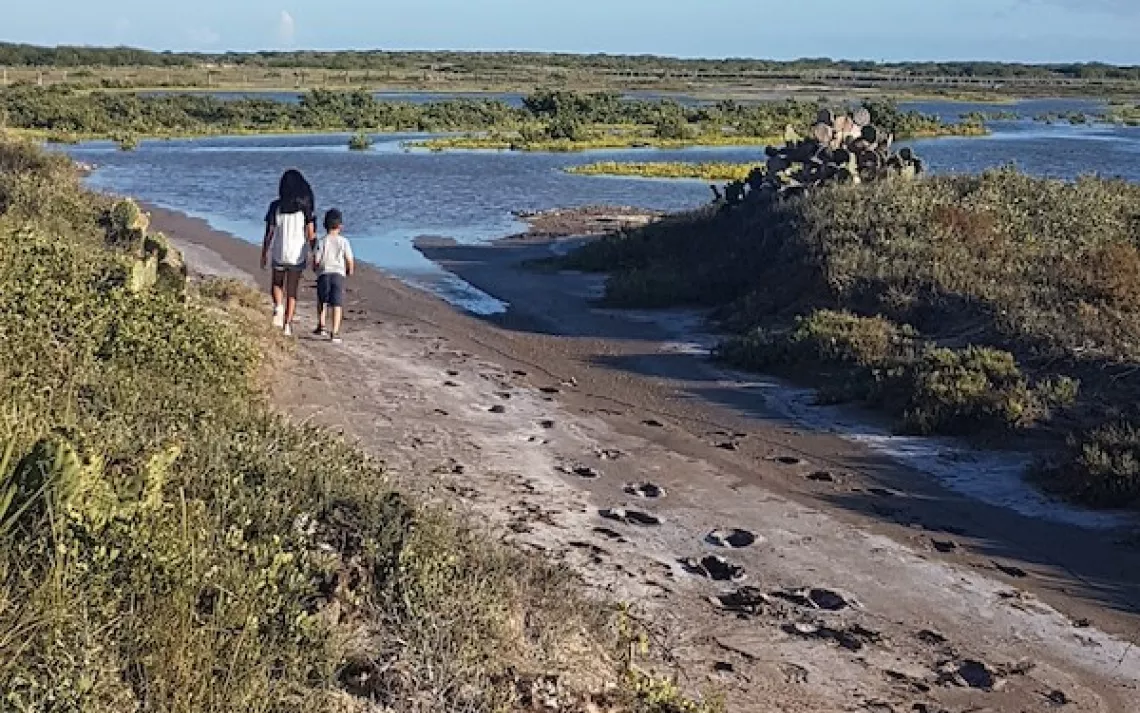
The environmental ramifications extend even further. The planned LNG facilities threaten to obliterate nearly 2,000 acres of pristine coastline and wetlands, including Garcia Pasture, a historically significant site for the Carrizo Comecrudo Tribe of Texas. Recognized by the National Park Service, Garcia Pasture is home to sacred burial grounds, indigenous art, and vital wildlife habitats. The destruction of such culturally rich lands for industrial gain raises profound ethical concerns.
Public Health Concerns in RGV
The pollutants emitted from the LNG facilities would have a profoundly negative impact on air quality, affecting neighboring communities such as Port Isabel, Brownsville, and South Padre Island. These emissions could exacerbate respiratory health issues and threaten the well-being of vulnerable populations, including low-income families with limited access to healthcare.
Community Resistance to LNG Projects
Local communities are pushing back against the LNG development initiatives. Recently, the Point Isabel Independent School District (PIISD) rejected a tax break application for Texas LNG, marking the third consecutive time the district has voted against LNG facilities. A broad coalition of RGV communities—including South Padre Island and Laguna Vista—has also passed resolutions denouncing LNG projects, making it clear that the residents prefer environmental protection over industrial development.
The Role of Local Officials
Despite the evident community opposition, there remain concerns about local government officials prioritizing industrial interests over community welfare. The Port of Brownsville Commissioners recently collaborated with Rio Grande LNG to improve the ship channel’s depth to accommodate industrial shipping, even at the risk of harming local shrimping operations. Local shrimpers have expressed alarm over potential environmental disasters, which could decimate the region’s vital shrimp breeding grounds.
The Future of LNG in the RGV
Currently, Rio Grande LNG is moving toward establishing their facility, having secured a deal with ExxonMobil, a company often criticized for environmental negligence. Meanwhile, Texas LNG faces significant obstacles, including a lack of export contracts and ongoing legal challenges. The Sierra Club has filed lawsuits against the Army Corps of Engineers, questioning the environmental assessments of the proposed LNG projects.
A Call for Action
Local communities must remain vigilant against these detrimental LNG proposals, as they offer little benefit while posing significant risks. The gas produced is primarily intended for export, which leaves residents facing increased gas prices, pollution, and long-term environmental degradation.
It’s crucial that stakeholders prioritize the health and well-being of the communities in the RGV over corporate profits. To ensure a sustainable future, it’s imperative to advocate for policies that protect the environment and uphold community interests. For a healthier, cleaner, and more equitable future, the voice of the community needs to be heard loud and clear.
Learn More
For more information on the impact of LNG facilities and ongoing community advocacy efforts, consider visiting resources like the Sierra Club or the South Texas Environmental Justice Network. Together, we can work toward safeguarding our coastal environments and the communities that thrive within them.
