


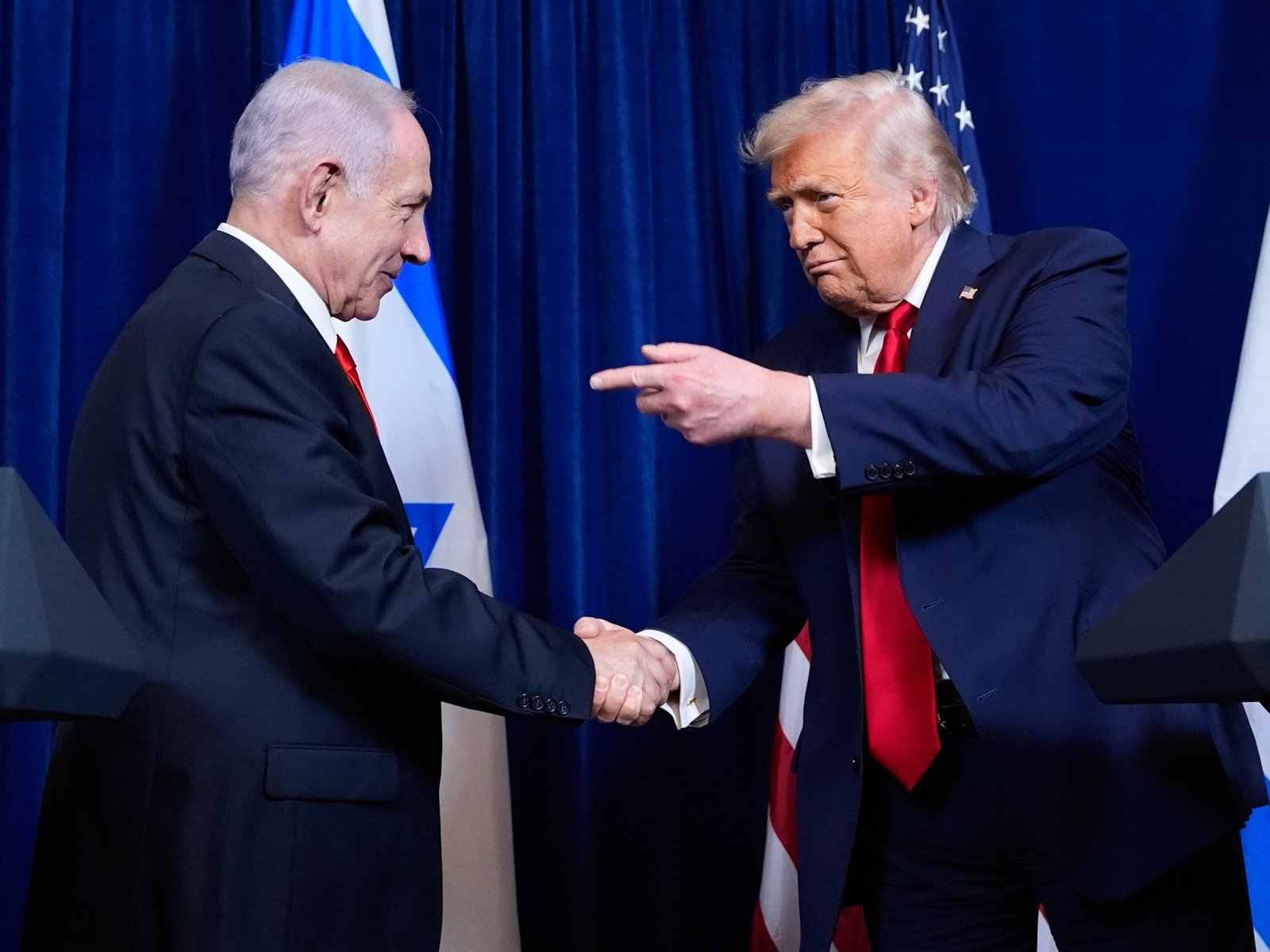
Netanyahu Joins Trump’s "Board of Peace" Amid Ceasefire Developments
As the situation in the Middle East continues to evolve, Israeli Prime Minister Benjamin Netanyahu has made a significant move by accepting an invitation from United States President Donald Trump to join the newly formed “board of peace.” This decision comes during a critical phase of ongoing discussions revolving around a ceasefire agreement with Hamas aimed at ending the recent conflict in Gaza.
Invitation to the "Board of Peace"
The invitation from President Trump was officially announced on January 21, 2026, through a social media statement from Netanyahu’s office. This board is part of phase two of an initiative focused on fostering stability and governance in the region. The primary goal of this body is to address several key areas, including governance capacity-building, enhancing regional relationships, and attracting investment for reconstruction efforts in Gaza.
Objectives of the Initiative
Trump envisions the board as a mechanism to oversee a comprehensive approach to restoring and reconstructing Gaza. Specific objectives include:
- Governance Capacity-Building: Strengthening local institutions to improve governance.
- Regional Relations: Facilitating better relationships between neighboring countries.
- Investment Attraction: Encouraging local and foreign investments.
- Reconstruction Efforts: Addressing the damage caused by the conflict.
- Large-Scale Funding: Mobilizing capital to support these initiatives.
Despite its noble aims, Netanyahu’s involvement in this advisory board raises questions concerning its impartiality and effectiveness. Critics have noted that Trump’s administration’s control over the board may result in a biased approach to peace.
Broader Context of the Ceasefire Agreement
This initiative emerges in conjunction with the broader geopolitical landscape shaped by the ceasefire agreement with Hamas. To learn more about the specifics of phase one of this ceasefire and its implications, refer to this detailed analysis.
Implications for Israel-Palestine Relations
Netanyahu’s acceptance of this role could have profound consequences for Israel-Palestine relations. The ongoing conflict has sparked international interest and urgency for a sustainable resolution, and the peace board could either bridge gaps or exacerbate tensions.
Voices from the International Community
World leaders have been invited to participate in the board, signaling a global intent to engage with the complexities of the Israeli-Palestinian conflict. The diverse array of participants may bring various perspectives, but the foundational leadership by Trump suggests a challenging path ahead.
Conclusion
As developments unfold, the reactions from various stakeholders, including political analysts and international diplomats, will likely shape the future of both the board and the peace process itself. Netanyahu’s involvement signifies a pivotal moment in Middle Eastern politics, and observers will be keen to see how this initiative progresses amidst a backdrop of long-standing tensions.
Stay tuned for more updates as this developing story continues to evolve.
