


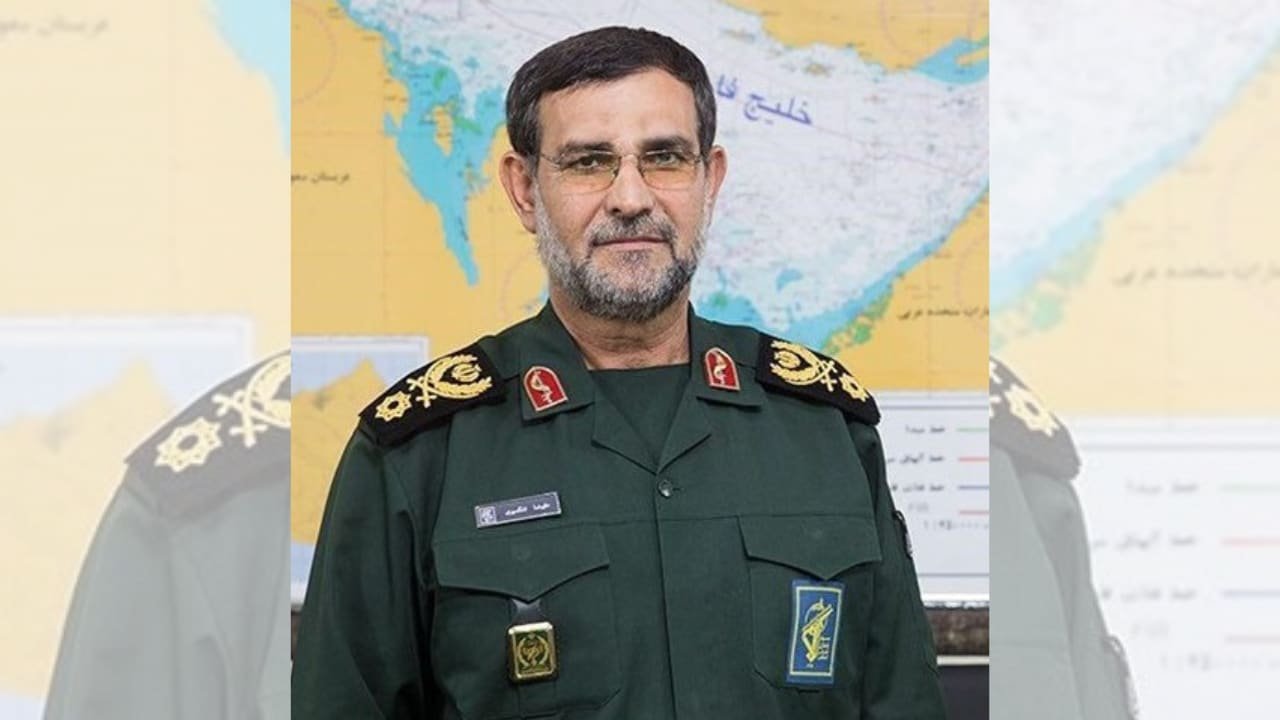
Tensions Escalate in the Region After High-Profile Targeting of Iranian Military Leader
On a recent Thursday morning, a significant event unfolded in the Middle East that has the potential to escalate ongoing tensions in the region. Alireza Tangsiri, the head of the Islamic Revolutionary Guard Corps’ (IRGC) Navy, was killed in a strike in Bandar Abbas, located near the strategically vital Strait of Hormuz. Israeli defense sources confirmed that the Israeli Defense Forces (IDF) were responsible for this high-profile operation, which took place at approximately 3 a.m. local time.
The Attack: Precision in Action
Reports indicate that Tangsiri was not alone during the strike; several of his senior naval aides were also killed. Israeli Defense Minister Israel Katz later confirmed the operation, labeling Tangsiri as the official "directly responsible" for recent terrorist acts aimed at mining and blocking the Strait of Hormuz. This waterway is critical for global oil shipping, as roughly one-fifth of the world’s crude oil passes through it, making it a geopolitical focal point.
Implications for International Relations
Katz emphasized the strategic importance of the operation, noting that it represents a significant development for U.S. allies in the region. The IDF’s actions suggest a collaborative effort to ensure that the Strait of Hormuz remains accessible for international shipping, which has been under threat lately from various Iranian military maneuvers.
Escalating Aggression from Iran
Tangsiri had gained notoriety in recent weeks for his increasingly belligerent rhetoric regarding U.S. facilities in the region. Just a week prior to his death, he publicly threatened retaliation against American assets, explicitly advising civilians and workers to steer clear of potential target zones. He asserted, “Our list of targets is updated. Oil facilities associated with America are now on par with American bases and will come under fire with full force,” indicating a dangerous escalation in military posturing.
Such threats highlight the ongoing tension between Iran and the U.S., which has consistently aimed to diminish Iran’s naval capabilities. Reports suggest that during the conflict, the U.S. has successfully taken out approximately 100 vessels associated with the Iranian Navy and the IRGC, signaling a concerted effort to limit Iranian influence in the region.
Strategic Importance of the Strait of Hormuz
The geopolitical significance of the Strait of Hormuz cannot be overstated. It is a narrow passage that serves as a vital conduit for global trade and energy supplies. Any threats to its navigability are likely to trigger economic repercussions far beyond the immediate region. The killing of Tangsiri not only underscores the precarious nature of international security in this area but also raises questions about Iran’s future military strategies.
The Broader Impact
The assassination of a key military figure like Tangsiri could serve to embolden other military leaders within Iran to adopt a more aggressive posture. Conversely, it might also prompt a reevaluation of tactics and strategies within the IRGC as they seek to maintain their power and influence.
As tensions remain high, the international community will be keenly observing developments in the region, remaining alert to any potential fallout from this latest operation. Voice of America and other news agencies are already reporting on the potential ramifications, emphasizing that the situation is fluid and subject to rapid change.
Conclusion
The targeting of Alireza Tangsiri marks a pivotal moment in the ongoing friction between Israel and Iran, particularly as it pertains to control over the Strait of Hormuz. As both nations assess their next moves, the broader implications for global security remain uncertain. Continued vigilance and strategic coordination will be essential as the international community navigates this increasingly complex geopolitical landscape.
