


Understanding ADHD: Support, Challenges, and Managing Life Effectively
Introduction to ADHD
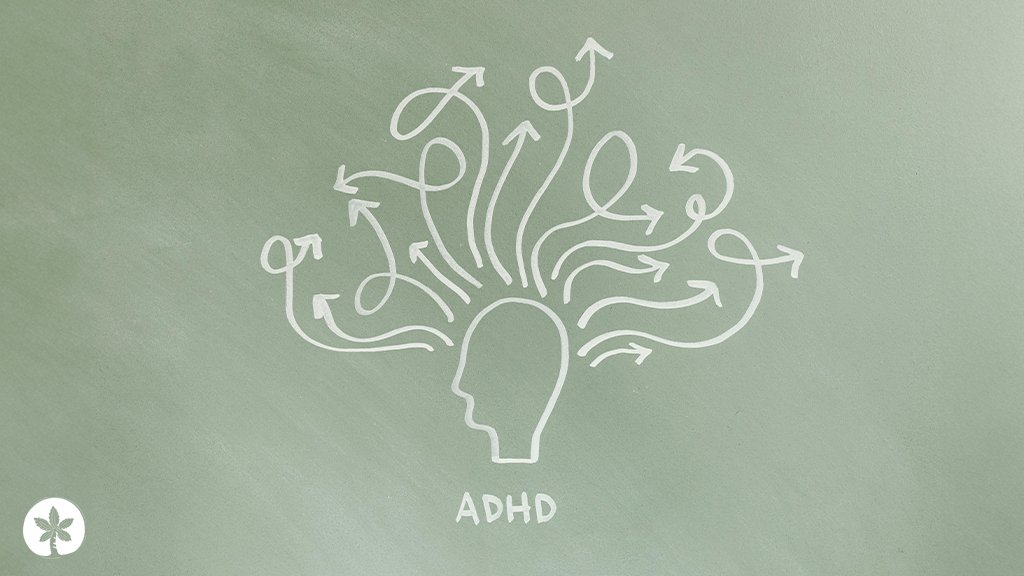
Attention Deficit Hyperactivity Disorder (ADHD) is a prevalent neurodevelopmental disorder that significantly impacts daily life for millions around the globe. Characterized by symptoms such as inattention, hyperactivity, and impulsivity, ADHD presents unique hurdles in various domains, including academics, workplaces, and interpersonal relationships. It is essential to recognize that ADHD is not merely a behavioral issue, but a complex neurological condition that merits understanding and appropriate support.
What Is ADHD?
ADHD affects approximately 5-10% of children and about 4% of adults worldwide, according to the Centers for Disease Control and Prevention (CDC). It is critical to diagnose ADHD based on a combination of behavioral symptoms classified into three primary categories:
- Inattention: Individuals may struggle with staying focused, easily getting distracted, forgetting instructions or crucial details, and having difficulty completing tasks.
- Hyperactivity: Characterized by excessive energy levels, individuals may find it challenging to remain still and may exhibit constant fidgeting.
- Impulsivity: This includes making quick decisions without considering consequences, interrupting others, or having difficulty waiting for turns.
Understanding that ADHD results from a complex interplay of genetic and environmental factors rather than poor parenting or laziness is vital.
How ADHD Impacts Daily Life
ADHD can significantly disrupt various aspects of life, including academic performance, workplace efficiency, and personal relationships.
Academic Challenges
Students with ADHD may struggle to stay organized, follow instructions, or complete assignments. Such challenges can result in lower academic performance, contributing to feelings of inadequacy and frustration, as noted by the American Psychological Association.
Workplace Struggles
In professional settings, individuals with ADHD often face difficulties in time management, organization, and adhering to schedules. Research from the National Institute of Mental Health (NIMH) reveals that untreated ADHD can detrimentally impact job performance and lead to higher turnover rates.
Relationship Issues
Impulsivity and emotional regulation challenges can strain personal relationships with family members, friends, and partners. Individuals may find themselves unintentionally interrupting others or struggling to make long-term commitments, as discussed in Psychology Today.
Self-Esteem Concerns
Repeated setbacks in academics, work, or personal interactions can negatively affect self-esteem. Many individuals with ADHD may experience anxiety and depression, as highlighted by the National Resource Center on ADHD.
Treatment and Support for ADHD
While ADHD is a lifelong condition, it can be effectively managed with appropriate intervention. Evidence-based methods can enhance quality of life and empower individuals in their daily activities. Below are some treatment options:
-
Cognitive Behavioral Therapy (CBT): Research has shown that CBT effectively helps individuals develop coping strategies and enhance organizational skills. It can significantly reduce symptoms in both children and adults with ADHD (American Journal of Psychiatry, 2017).
-
Medication Management: Medication, both stimulant and non-stimulant types, can play a crucial role in managing symptoms by improving focus and controlling impulsivity. Collaboration with healthcare professionals ensures that medications are part of a comprehensive treatment plan tailored to individual needs, according to NIMH.
-
Parent Training and Support: Parental guidance is vital in managing ADHD, particularly for children. Training helps parents establish routines, set expectations, and implement behavioral strategies to manage their child’s behavior effectively, as noted by the American Academy of Pediatrics.
- Mindfulness and Behavioral Strategies: Techniques focusing on mindfulness and organization can also diminish distractions and enhance focus, with studies indicating that mindfulness practices can improve emotional regulation and attention span (Journal of Attention Disorders, 2018).
Living Well with ADHD
With effective support, individuals with ADHD can lead fulfilling lives. Here are some practical tips for managing symptoms:
- Establish Routines: Creating a structured daily routine helps minimize distractions. Utilize planners or digital apps to maintain organization and track tasks.
- Break Tasks Into Steps: Large tasks can seem overwhelming; breaking them into manageable steps enhances achievability.
- Practice Self-Care: Regular exercise, a balanced diet, and adequate sleep are vital for managing ADHD symptoms, influencing cognitive and emotional stability.
- Seek Support: Professional guidance through therapy, medication, and support groups can significantly enhance one’s ability to manage ADHD.
Get Support from Saname Counseling
At Saname Counseling, we specialize in evidence-based support for individuals with ADHD. Our team of licensed counselors is dedicated to guiding individuals and families in developing personalized treatment plans that empower them to thrive. If you or someone you know is facing challenges related to ADHD, reach out to us for a consultation today. Together, we can pave the way for a brighter future.
