


Greenland: A Geopolitical Flashpoint for NATO and Global Alliances
The ongoing tensions surrounding Greenland, a semi-autonomous territory of Denmark, have drawn significant attention as the United States has recently made assertive claims regarding its strategic interests in the Arctic. With the Trump administration threatening potential military action or an acquisition of Greenland to "deter adversaries," the implications for NATO and international relations could be profound.
Greenland’s Strategic Importance
Greenland already hosts the Pituffik Space Base, a critical facility operated by the United States in collaboration with Danish authorities. This base serves as a pivotal asset amid growing geopolitical competition in the Arctic region, where melting ice caps are opening up new shipping lanes and resource opportunities. Both the U.S. and Denmark are founding members of NATO, the world’s most powerful military alliance, further complicating the situation.
With escalating rhetoric from Washington, leaders in Europe and Canada have come together to express their unified support for Denmark and Greenland. They are reportedly developing contingency plans in the event that the U.S. pursues its threatening stance. Such a scenario would not only strain transatlantic relations but also challenge the very foundations of NATO.
NATO’s Collective Defense Principle
At the heart of NATO’s unity is Article 5, a cornerstone of the North Atlantic Treaty that asserts an armed attack against one member is an attack against all. Historically binding since 1949, this principle aims to ensure collective defense among its members. However, invoking Article 5 requires unanimous consent, which could lead to an impasse should conflicts arise among member states.
The only instance when Article 5 was invoked occurred after the September 11 attacks in 2001, leading to a broad coalition against terrorism. However, an attempted U.S. seizure of Greenland would present a unique situation within NATO, raising profound questions about the alliance’s integrity and operational limits.
What If a NATO Member Attacks Another?
The implications of collective defense are critical as any internal conflict could create a voting deadlock. This has significant historical context, especially given prior instances of friction among NATO members.
Historical Tensions Within NATO
The Cod Wars (1958–1976)
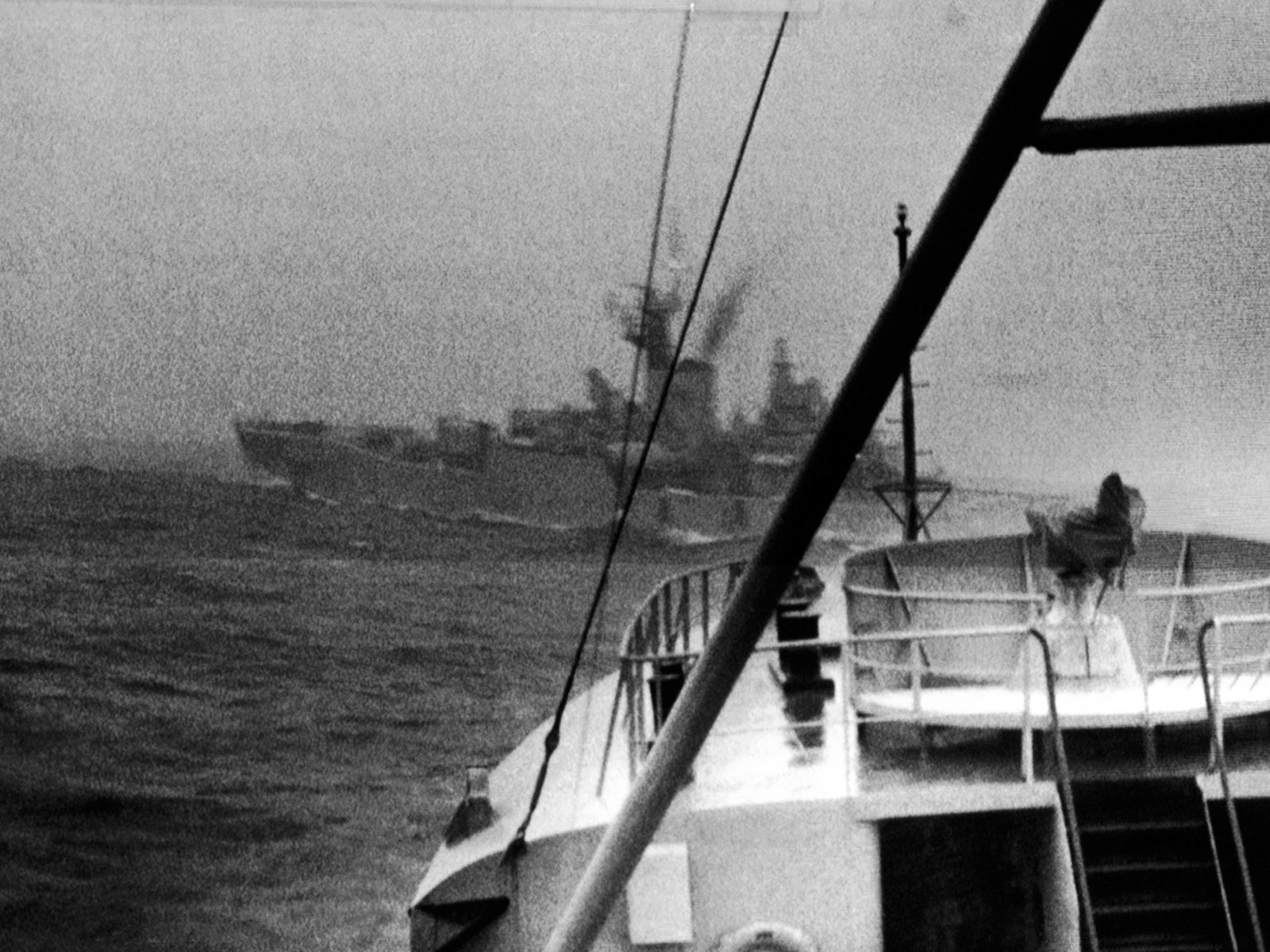
Between 1958 and 1976, NATO allies the UK and Iceland faced off in a series of naval confrontations over fishing rights. Dubbed the “Cod Wars,” this conflict involved both military and diplomatic tensions but never escalated into full-blown warfare. Ultimately, British concessions followed NATO pressures to ensure the stability of the alliance.
Greece and Turkey over Cyprus (1974)
In 1974, a military intervention by Turkey in Cyprus almost triggered direct conflict with Greece, showcasing the delicate balance within NATO. In response, Greece temporarily withdrew from NATO’s military structure amid perceived failures to mediate the situation effectively. The Cold War backdrop added an extra layer of complexity, as both nations were vital to opposing Soviet influence.
The Suez Crisis (1956)
During the Suez Crisis, NATO members confronted discord as the US opposed French and British military actions. The crisis highlighted internal rifts, with the US advocating for diplomatic resolution over military intervention, ultimately leading to the establishment of a framework for UN peacekeeping operations.
Iraq War (2003) and Libya Intervention (2011)
The Iraq War caused deep divisions, with several NATO countries resisting U.S. calls for military engagement. Similarly, during the 2011 Libya intervention, disagreements over leadership and operational control delayed NATO’s formal command of air operations in the region, showcasing the ongoing complexities within the alliance.
The Path Forward for NATO
The current situation surrounding Greenland serves as a critical test for NATO’s unity and operational coherence. As various member states navigate their military engagements and geopolitical strategies, disputes over war involvement and actions like the potential seizure of Greenland will have lasting impacts on transatlantic relations.
NATO has managed to endure internal disagreements without fracturing, and while disputes over military engagements continue, the underlying commitment to collective defense remains steadfast. Nonetheless, the outcome of evolving geopolitical tensions, particularly in strategic areas like Greenland, will undoubtedly reshape the alliance’s future.
Conclusion: A Crucial Moment for NATO
As the global landscape shifts, the question of how NATO will respond to U.S. threats against Greenland emerges as a pivotal issue. The responses from European and Canadian leaders signal a commitment to unity, emphasizing the potential for further cooperation amid uncertainties. How NATO navigates this challenge will not only dictate regional stability but also establish the framework for future international collaborations in an era marked by increasing geopolitical tensions.
For more details on NATO’s historical engagements and internal disagreements, refer to resources from NATO, Al Jazeera, and other credible outlets covering international relations.
