


Increased Tensions: NATO Jets Scramble to Intercept Russian Drones Over Romania
On a tense Tuesday, NATO jets were deployed to track two Russian drones that entered Romanian airspace, marking a significant escalation in the ongoing conflict stemming from the war in Ukraine. This daylight incursion is the most significant yet since the full-scale conflict began and exemplifies the growing challenges facing NATO’s eastern flank.
The Incident: Details and Response
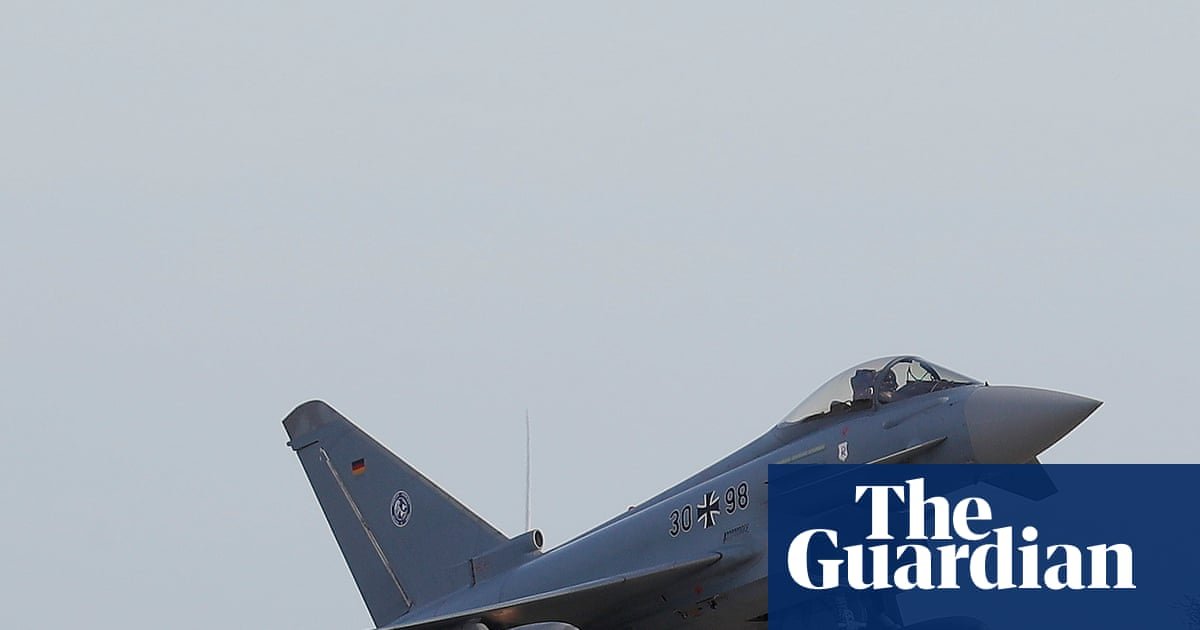
German Typhoon and Romanian F-16 fighter jets were launched in pairs to monitor the uncrewed aircrafts detected early in the morning. The first drone quickly returned to Ukrainian airspace, while the second drone was later discovered downed in Puiești, approximately 70 miles from the Ukrainian border. Romanian Defense Minister Ionuț Moșteanu confirmed that German pilots were instructed to shoot down the second drone, but it likely crashed due to running out of fuel.
Examination of the Wreckage
The analysis of the wreckage revealed that the downed drone was unarmed. Moșteanu indicated the operational challenges faced by the pilots, stating, “It could have been destroyed if all the conditions had been met … the pilots needed to see it, to engage it, to lock it on radar and to be able to fire a missile at it.”
The defense ministry reported that the first drone was detected at 6:28 AM local time (04:28 GMT), followed by the second at 7:50 AM. During this period, inhabitants of three border counties were advised to take cover until the situation was resolved.
Frequency of Incursions
This incident marks the 13th breach of Romanian airspace by Russian drones, which includes three encounters within a week. Recently, residents near the Romanian border experienced evacuations after a gas tanker was struck and ignited in the nearby Ukrainian port of Izmail across the Danube River.
Moreover, Moldova’s defense ministry also reported that six drones had breached its airspace overnight. One of these drones, characterized by a distinctive delta-wing design and marked with a Russian Z symbol, landed on a rooftop in the village of Cuhureștii de Jos, which lies 15 miles from the Ukrainian border. Following police inspections, it was determined that this drone was an unarmed Gerbera decoy, employed by Russian forces to saturate Ukrainian air defenses and increasingly utilized in incursions into neighboring nations.
Historical Context and Implications
This recent drone incident echoes a similar occurrence in September when 21 unarmed Gerbera drones intentionally crossed into Poland as part of an apparent deliberate incursion from Russia. Such incidents have compelled NATO to initiate the Eastern Sentry mission, which has significantly increased fighter jet patrols in countries located along the alliance’s eastern front.
Although deploying fighter jets for drone interceptions showcases a robust NATO response, it poses numerous logistical challenges. The high cost associated with scrapping drones using aircraft is a growing concern, particularly considering the risks involved in downing an unidentified craft over populated areas.
New Strategies and Capabilities
In light of these incidents, General Christopher Donahue, commander of the U.S. Army in Europe and Africa, announced a new capability to target drones that will soon be operational in Romania. He stated, “We have tested and it is in the final stages of being employed. Romanian soldiers and other alliance soldiers have been trained on this capability, and I know you’re going to see this capability in the delta [of the Danube] very soon.”
This proactive approach underscores NATO’s commitment to enhancing its defensive capabilities in response to increasing threats in eastern Europe.
Conclusion
As tensions continue to rise with frequent violations of airspace and increased military activities in the region, the deployment and utilization of advanced drone defense systems alongside established military assets will be crucial. The Romanian airspace incursions not only highlight the ongoing conflict between Russia and Ukraine but also pose significant concerns for NATO member states regarding their security and preparedness in an increasingly unstable geopolitical landscape.
For further updates and detailed information on the ongoing situation, readers can refer to reputable news outlets and defense communications.
