


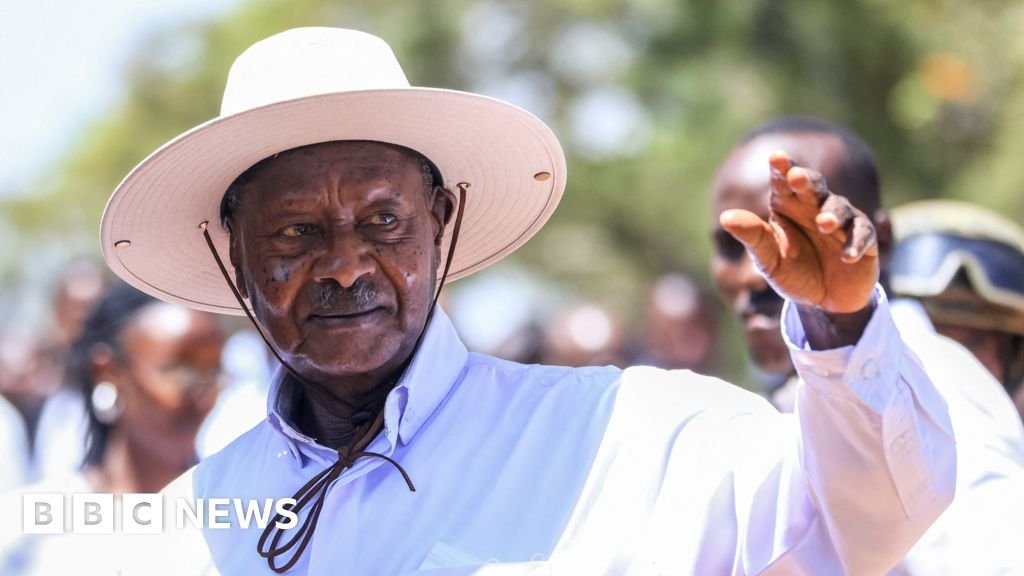
Yoweri Museveni Declared Winner in Controversial Ugandan Election
Ugandan President Yoweri Museveni has secured his victory in the recent election, marking yet another five years in office and extending his long tenure to over four decades. This announcement, made by the Electoral Commission, stated that Museveni garnered 72% of the votes compared to 25% for his closest opponent, Bobi Wine.
Allegations of Electoral Irregularities
Bobi Wine, a prominent figure and former pop star, has vehemently rejected the election results, claiming they are the product of “fake results” and “ballot stuffing.” Although he has not provided detailed evidence for his allegations, international observers from the African Union reported seeing "no evidence of ballot stuffing," backing the electoral commission’s claims.
Wine has called for non-violent protests in light of these allegations, emphasizing the need for public expression amid rising tensions.
Election Violence and Casualties
The atmosphere surrounding the election has been far from peaceful, as violence escalated in various regions leading up to the vote. Wine reported that at least 21 people have died due to violence, while the authorities have confirmed only seven fatalities. The electoral commission’s head, Simon Byabakama, urged both parties’ supporters to embrace unity and accept the results despite the unfortunate incidents.
Limited Public Celebrations
Aside from official proclamations, celebrations have been scarce. The streets of Kampala, Uganda’s capital, appeared desolate as businesses closed down. Reports of unrest persist in different neighborhoods, raising concerns about public safety and the political climate.
Internet Blackouts and Misinformation Concerns
In a controversial move, the Ugandan government implemented a nationwide internet blackout prior to the election, claiming it was necessary to prevent misinformation and violence. This decision has drawn criticism from various quarters, including the UN human rights office, which described the blackout as "deeply worrying."
Bobi Wine has since demanded the restoration of internet services, emphasizing its importance for transparent communication and public safety.
International Observers Call for Calm
Leading the African Union observer mission, former Nigerian President Goodluck Jonathan condemned the suspension of internet access during the electoral period. He underscored reports of intimidation and abuses that have potentially eroded public trust in the electoral process, a sentiment echoed by various international watchdogs.
Bobi Wine’s Current Situation
In a twist of events, Bobi Wine’s assistant reported instances of security forces attempting to apprehend the opposition leader shortly after the election. While Wine claimed he was under house arrest, details concerning his current whereabouts remain vague. Meanwhile, a police spokesperson mentioned that his movements were being restricted due to security considerations.
Youth Representation and Campaign Promises
Bobi Wine has emerged as a representative of Uganda’s youth, a demographic largely under the age of 30. His campaign focused on issues like anti-corruption and reform, while Museveni reaffirmed his stance as the stabilizing force in a nation with a tumultuous history.
Despite the presence of six additional candidates, none received more than 2% of the votes, with overall voter turnout at 52.5%. Allegations of disrupted opposition activities marred the campaign, intensifying the divide between the ruling party and its critics.
Conclusion: A Continuing Political Struggle
As Uganda navigates through this contentious electoral period, the future remains uncertain for both Museveni’s administration and Bobi Wine’s aspirations for change. The call for unity amidst allegations of electoral fraud underscores the complexities that define Uganda’s political landscape.
For more information on Uganda’s political situation and the implications of this election, please consult detailed analyses from BBC News and Reuters.
