


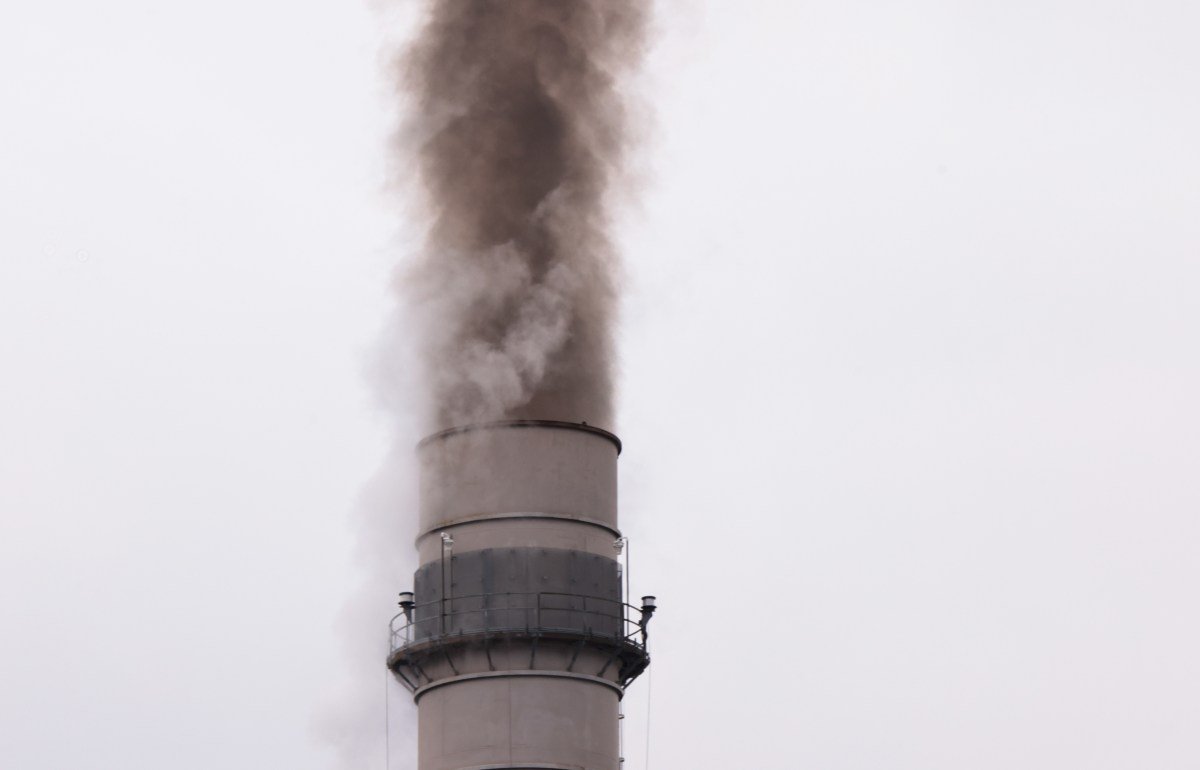
The Dire Consequences of Climate Change: A Growing Global Crisis
Climate change is no longer a distant threat; it is a pressing crisis affecting millions of people worldwide. In countries like India, climate conditions are raising serious concerns about long-term habitability. According to reports, many areas are questioning whether they will support human life in the coming decades. The current situation sheds light on the catastrophic effects of extreme weather, from deadly heatwaves in Europe to wildfires raging across North America.
The Unrelenting Heat: A Global Health Crisis
Last summer, a staggering 61,600 fatalities in Europe were attributed to heatwaves, highlighting the urgent need for effective climate action. In the United States, recent heat advisories have affected over 100 million Americans. This relentless heat contributes to widespread challenges, including crop damage, spikes in heat-related deaths, and increased risk of power grid failures as people rely heavily on air conditioning to cope with the heat.
As these extreme weather events increase in frequency and intensity, it is evident that they are directly linked to climate change, primarily driven by the burning of fossil fuels. Despite the dire warnings from scientists and environmental experts, fossil fuel companies continue to expand their operations, reaping record profits while the world suffers.
The Role of Fossil Fuels and Methane Gas
A substantial portion of climate engineering chaos stems from methane, often rebranded as liquefied natural gas (LNG). This form of energy is predominantly methane, a greenhouse gas with 80 times the warming potential of carbon dioxide. Alarmingly, the industry is still investing heavily in methane gas, seeing it as a transitional fuel, despite the pressing need to pivot to sustainable alternatives.
A joint review by the Environmental Protection Agency found that a methane gas pipeline explodes on average every two days in the United States. This alarming statistic underlines the risks associated with expanding methane gas infrastructure, particularly in communities already suffering from long-term exposure to toxins and pollutants.
Banking on Disaster: Financing Fossil Fuels
Financial institutions are complicit in this crisis and have funneled $5.5 trillion into fossil fuel companies since the Paris climate accord was signed. Last year alone, banks invested over $660 billion into fossil fuel ventures while reports of devastating flooding in countries like Nigeria, India, and Pakistan emerged. European heatwaves further added to the tragic toll, emphasizing the urgent need for a shift in financial support towards sustainable solutions.
Despite evidence linking fossil fuel expansion to rising temperatures and extreme weather events, banks continue to back projects that exacerbate climate challenges. Recent findings indicate that over 25 LNG export projects are proposed along the U.S. Gulf Coast, increasing from the mere four currently in operation. This trend is unsustainable and highlights the pressing need for a reevaluation of energy investments.
Indigenous Communities and Climate Justice
As temperatures soar, Indigenous communities, such as the Esto’k Gna people of the Carrizo Comecrudo Tribe, are disproportionately impacted by rising temperatures and environmental degradation. Their ancestral lands face threats from hazardous projects like the Rio Grande Valley Project in Texas, which has garnered substantial funding despite local opposition. The fight against this LNG facility reflects a broader struggle for Indigenous sovereignty and an urgent call to respect human rights in the face of climate change.
While destructive projects continue to be financed, the banking sector must transition towards funding renewable energy initiatives. The European Union aims for 45% of its energy from renewables by 2030, demonstrating the feasibility of a transition away from fossil fuels.
The Path Forward: An Urgent Call to Action
The question remains: how many lives must be sacrificed before financial institutions and governments take decisive actions against fossil fuel expansion? It is imperative that banks cease financing destructive projects like LNG and methane gas, and instead invest in climate mitigation, adaptation, and renewable energy developments.
Conclusion
Climate change is not a future threat; it is an ongoing crisis impacting lives everywhere. The responsibility lies not only with governments but also with financial institutions to align their investments with the sustainable solutions our planet desperately needs. Only through collective action can we mitigate the catastrophic effects of climate change and embark on a path toward a more sustainable future.
By focusing on renewable energy and ceasing support for fossil fuel ventures, we can reduce the harmful impacts of climate change and build a more resilient world. The time for action is now.
For more information on how to combat climate change, visit UNEP or BBC News for the latest updates on environmental crises.
