


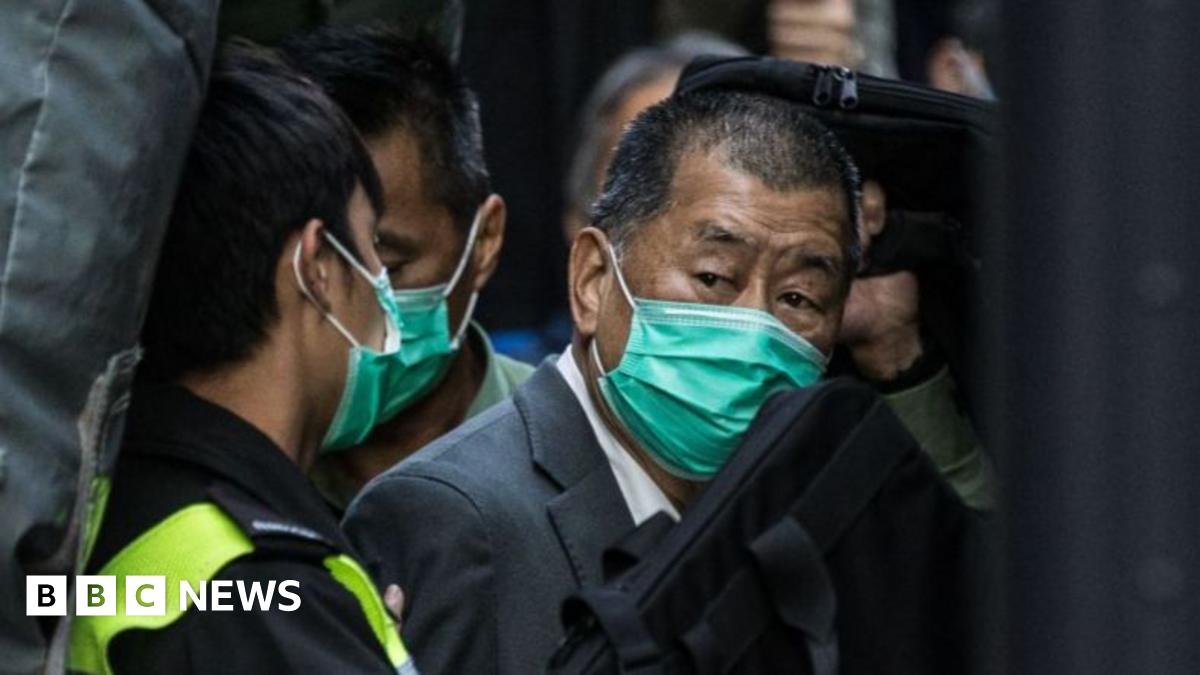
Hong Kong Leader Declares Jimmy Lai’s Sentencing as a Victory for National Security
Hong Kong’s Chief Executive, John Lee Ka-chiu, has made headlines with his recent statements surrounding the sentencing of media tycoon Jimmy Lai. Describing Lai’s actions as "heinous" and "utterly despicable," Lee conveyed a sense of gratification regarding Lai’s 20-year prison sentence, which is considered the most severe punishment imposed under Hong Kong’s controversial national security law.
The Charges Against Jimmy Lai
In a Facebook post, Lee outlined the grave nature of Lai’s crimes. As the founder of Apple Daily, a pro-democracy newspaper, Lai stands accused of using his platform to sway public opinion against the government. Lee asserted that Lai’s relentless campaigns poisoned minds, incited hatred, and distorted facts. The Chief Executive went on to accuse Lai of deliberately fostering social divides and actively seeking interference from foreign entities in Hong Kong affairs.
Implications for National Security
Lee emphasized that Lai’s actions represent a serious threat to national security, declaring that they have jeopardized both the interests of the country and the well-being of citizens in the Hong Kong Special Administrative Region. This sentiment reflects a broader strategy by the Hong Kong government to maintain order and stability in a city that has experienced significant political unrest in recent years.
A Milestone for Hong Kong
The Chief Executive framed Lai’s sentencing as a pivotal moment in Hong Kong’s ongoing battle to safeguard national security. In previously welcoming other convictions against Lai, Lee has consistently characterized such rulings as essential for protecting the integrity of the state and the public.
National Security Law Background
The national security law, enacted in 2020, grants the government expansive powers to suppress acts of subversion, secession, terrorism, and collusion with foreign forces. Critics argue that the law curtails freedoms in Hong Kong, but Lee and his supporters maintain that it is essential for restoring stability. Lai’s case exemplifies the law’s use in prosecuting those deemed a threat to national integrity.
Conclusion
As Hong Kong navigates its complex political landscape, the implications of Lai’s sentencing will likely resonate far beyond the courtroom. The government’s willingness to impose such heavy penalties signals a determined stance on national security issues. For further insights into the national security law and its implications for freedom in Hong Kong, organizations like Amnesty International provide comprehensive analyses.
In summary, John Lee’s declarations following Jimmy Lai’s sentencing underscore a significant shift in Hong Kong’s approach to dissent and public discourse, framing the situation as a battle for national integrity and security. As events continue to unfold, the situation warrants close observation from both local and international stakeholders.
