


Hurricane Melissa’s Impact on Jamaica: A Community Rallies for Recovery
Hurricane Melissa, a catastrophic Category 5 storm, swept through western Jamaica, leaving a trail of destruction in Cornwall County and parts of Manchester and St. Elizabeth. While many parishes endured significant damage, the Rio Grande Valley in Portland—a recognized Maroon territory—was particularly hard-hit, showcasing the storm’s extensive impact.
The Aftermath: Families and Infrastructure at Risk
The devastation caused by Hurricane Melissa was immediate and severe. Families experienced the heartbreaking loss of their homes, while farmers witnessed the obliteration of entire crops overnight. Following the storm, numerous communities found themselves grappling with prolonged power outages, further complicating their recovery efforts. The Moore Town Maroon Diaspora Ambassadors (MADA), a volunteer-driven collective established by overseas Maroons, is actively working to alleviate the suffering of those impacted.
MADA’s Mission: Revitalizing Ancestral Roots
MADA aims to uplift the Rio Grande Valley while preserving its rich history and cultural identity. The group emphasizes the importance of community resilience in light of the disaster. "This region, enriched with history and ancestral strength, has been making a diligent effort to recover," MADA stated. As a result, local Maroons—now living abroad—felt a powerful urge to support their homeland during this critical time.
A New Hub for Recovery: Katawud Village
In the aftermath of Hurricane Melissa, Katawud Village in Ginger House emerged as a vital hub for relief efforts. Residents congregated there to charge their phones and access the wider world via StarLink Internet, which was crucial for communication. Through ongoing discussions with community leaders and volunteers based in the Valley, MADA pinpointed urgent needs and coordinated timely aid, respecting the unique rhythms of the local culture.
Solidarity Through Relief Efforts
MADA’s initiatives spanned beyond immediate supplies, offering care packages funded by donations from both Maroons abroad and community allies. These packages, distributed across Portland and St. Elizabeth—including the Leeward Maroon town of Accompong—served not only as material support but also as a reminder of the love and unity that tied the Maroon community together.
Reconstructing Homes
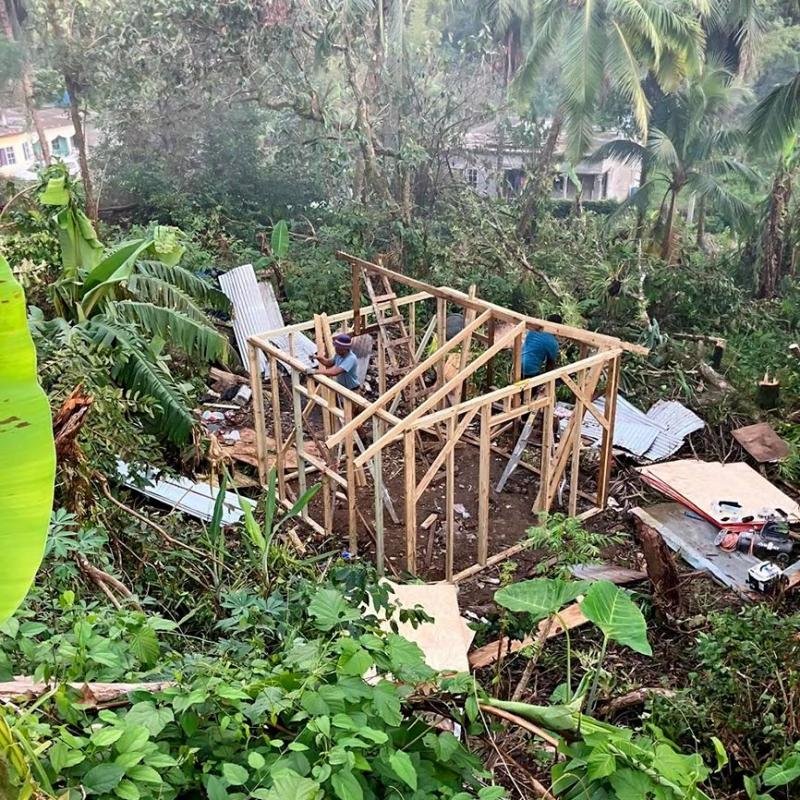
Housing recovery has become a key focus for MADA. Skilled carpenter Carlos, a member of the Garifuna people, traveled from Seattle to Jamaica specifically to assist in rebuilding homes for families who lost everything. This collaboration highlighted the interconnectedness of Maroon heritage, proving that their lineage and care transcend borders.
Supporting Local Farmers
In the Rio Grande Valley, agriculture is more than a means of livelihood; it is woven into the fabric of family and community survival. The devastation of crops due to Hurricane Melissa posed a significant threat to the economic resilience of the area. MADA has emphasized its commitment to helping farmers restart their operations, ensuring support for those who cultivate the land. "Our guiding principle is not mere charity, but a sense of responsibility reflective of our heritage," said MADA.
Continued Assistance and Community Engagement
MADA’s efforts are ongoing, focusing on supporting vulnerable groups like farmers, craftspeople, and the elderly. Fundraising initiatives from overseas continue to facilitate the provision of necessary resources. Such financial support is crucial for a quicker recovery process in which the Rio Grande Valley Maroons can regain their footing and strengthen community resilience.
Upcoming Events: Christmas at Katawud Village
On Sunday, December 21, plans are in place for a Christmas celebration at Katawud Village that will be livestreamed to engage audiences far and wide. This event will serve as a platform to showcase local talent, including drummers, singers, and poets, while also fundraising to support the local economy. A farmers’ market and craft fair will complement the festivities, emphasizing the importance of supporting local livelihoods.
MADA believes that fostering economic rehabilitation is crucial for a faster recovery process. "The sooner farmers can restore their operations, the quicker they can contribute to food supply and security in the region," MADA pointed out.
Collective Action for Recovery
On the same day as the Christmas event, MADA and its partner organizations will join forces to distribute care packages to community members in need. This collaborative effort underscores the importance of unity among individuals and organizations operating within the Valley, with a shared goal of aiding recovery from Hurricane Melissa’s devastating effects.
For additional updates and ways to follow the recovery efforts, visit MADA’s official pages and local news sites, such as The Gleaner. Through collective action, the communities in the Rio Grande Valley are working towards a brighter future, one step at a time.
