


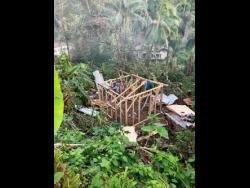
Hurricane Melissa’s Impact on Jamaica: A Community Rallies for Recovery
Hurricane Melissa recently wreaked havoc across Jamaica, particularly affecting Cornwall County and parts of Manchester and St. Elizabeth. The storm, which escalated to a Category 5, did not spare other parishes either. The Rio Grande Valley in eastern Portland, a region historically significant as Maroon territory, experienced some of the most devastating effects.
Community Destruction and Resilience
The aftermath of Hurricane Melissa saw countless families devastated, with homes destroyed and entire crops lost within a matter of hours. Many communities have been left without electricity, struggling to return to normal life long after the storm’s passage. The Moore Town Maroon Diaspora Ambassadors (MADA), a collective of overseas Maroons including Dr. Harcourt Fuller, Dr. Brittany Osbourne, and Dr. Melissa Buckley, highlighted the ongoing challenges residents face.
MADA’s mission focuses on uplifting the Rio Grande Valley and preserving the cultural heritage and identity of the Maroon communities. They recognized the urgency of the situation, stating, “This region, rich in history, culture, and ancestral strength, has been striving for recovery as the long-term effects continue to surface.”
Emergency Response Mobilization
In the days that followed Hurricane Melissa, Katawud Village became a central hub for relief efforts, situated at the eco-tourism and cultural preservation site known as Ginger House. Residents utilized the space to charge devices and connect to StarLink Internet, facilitating crucial communication with the outside world. MADA coordinated relief efforts to align with the unique rhythms and realities of the Valley community.
Relief packages funded by donations from Maroons abroad were distributed across Portland and St. Elizabeth, even reaching Accompong, a Leeward Maroon town. These packages symbolized solidarity, transcending geographical boundaries.
Recovery of Homes and Agriculture
Restoration efforts extended beyond immediate relief; housing recovery was also a critical component. Carlos, a skilled carpenter from Seattle and a member of the Garifuna people, traveled to Jamaica to assist in rebuilding homes lost to the storm. His involvement served as a testament to the interconnectedness of Maroon communities, affirming that lineage and care know no borders.
Support for local farmers has been particularly vital since agriculture is the backbone of community life in the Valley. Hurricane Melissa’s destruction of crops posed a significant threat to local livelihoods. MADA emphasized their commitment to helping farmers restore their livelihoods by stating, “What guides us is not charity, but responsibility — an understanding that service is part of our heritage.”
Ongoing Support Initiatives
Despite the month that has passed since the hurricane, MADA continues its efforts by assisting various community members, including farmers, craftspeople, and the elderly. Their strategy involves fundraising from international communities to coordinate comprehensive support, collaborating with local organizations to maximize efficacy.
Plans are underway for an upcoming event titled Christmas at Katawud Village scheduled for December 21. This event will be livestreamed, showcasing local talent such as drummers, singers, and poets, all while raising funds for the community’s recovery. A farmers’ market and craft fair are also in the works, focusing on promoting local goods.
Dr. Fuller remarked, “In addition to donations, if the public can support the livelihoods of Rio Grande Valley Maroons, recovery will be faster. The quicker farmers recover, the sooner they can contribute to the community’s food supply and security.”
A Day of Giving
On the same day as the Christmas event, MADA and partner organizations will distribute care packages to those in need, highlighting a coalition of groups working collaboratively within the Valley. This initiative aims to unify efforts for recovery while ensuring that essential supplies reach the most vulnerable community members.
Conclusion
As the community of Rio Grande Valley continues to navigate recovery from Hurricane Melissa, the importance of mutual support and resilience shines through. By focusing on rebuilding lives and restoring agriculture, MADA illustrates that communities can emerge stronger, reinforcing the ties that bind them together, regardless of their geographical distance. This communal spirit embodies the very essence of Maroon heritage and strength, reminding us all of the power of unity in times of crisis.
For more insights on post-hurricane recovery and community resilience, explore related articles on Jamaica Gleaner.
