


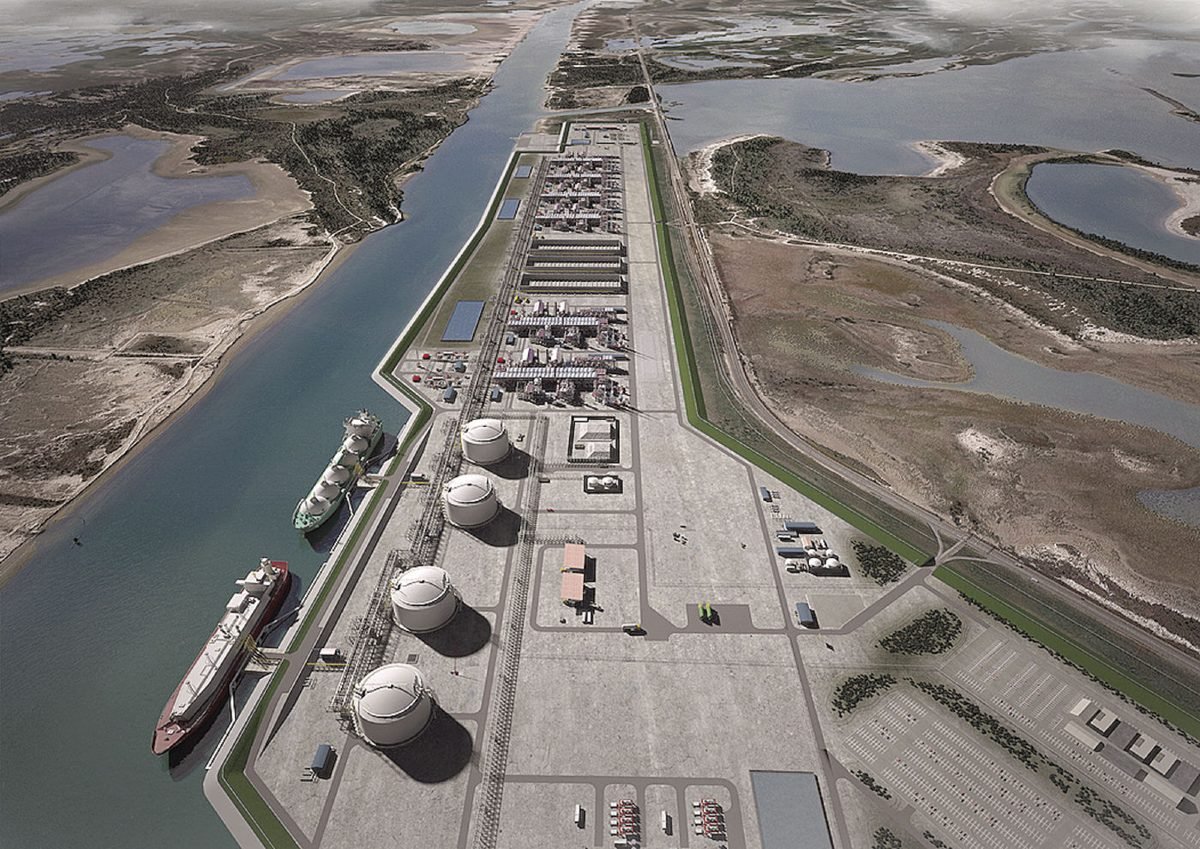
Major LNG Export Developments at Port of Brownsville
The Federal Energy Regulatory Commission (FERC) has recently granted approval for three significant liquefied natural gas (LNG) export facilities at the Port of Brownsville, marking a pivotal moment in the energy landscape of the region. The companies poised for investment are Texas LNG, Annova LNG, and NextDecade Corp., which has branded its facility as Rio Grande LNG. Collectively, these projects represent an impressive investment of $38.7 billion in future energy infrastructure.
FERC’s Commitment to LNG Applications
FERC Chairman Neil Chatterjee expressed pride in the Commission’s efforts, noting that the agency has successfully processed applications for 11 LNG export projects within the past nine months. This regulatory progress is designed to enhance the United States’ ability to supply allies around the world with affordable and environmentally friendly natural gas solutions.
Community Concerns and Environmental Opposition
Despite the potential economic benefits, several organizations, including the Sierra Club, have openly opposed the LNG projects. According to Rebekah Hinojosa, a Brownsville organizer for the Sierra Club, the approval neglects the detrimental impacts these facilities could have on the Rio Grande Valley. The group maintains that they will continue to actively fight these projects through legal challenges and campaigns aimed at influencing financial institutions.
One critical environmental concern raised is the operational logistics of LNG tanker ships. These vessels are expected to take two to three hours to navigate the Brownsville Ship Channel, raising alarms about potential disruptions to the local shrimping industry and the wider ecological implications for the Laguna Madre area. Additionally, it is projected that these tankers will operate alarmingly close to the popular beaches on South Padre Island, threatening the tourism that relies on a clean and pristine coastline.
Regulatory Hurdles Ahead
While the FERC has approved the LNG export terminals, the projects still need to clear various regulatory hurdles. For instance, Texas LNG is awaiting a biological opinion from the U.S. Fish and Wildlife Service. Moreover, Texas LNG and Annova LNG have yet to secure air pollution permits from state regulators. These additional approvals are crucial for the projects to proceed fully.
Maria Galaso, an advocate from Laguna Vista, articulated her community’s stance by highlighting the importance of maintaining unpolluted environments for tourism and the local economy. The region attracts visitors from far and wide to enjoy its natural beauty, and any decline in air and water quality could detrimentally affect this key economic sector.
Project Overview and Export Capacities
The LNG facilities are designed to project significant export capabilities. Texas LNG’s operations aim to export approximately 4 million metric tons of natural gas annually. NextDecade’s Rio Grande LNG terminal is set to export a substantial 27 million metric tons per year, while Annova LNG anticipates exporting up to 6 million metric tons.
In addition to the facility approvals, FERC has also communicated that these projects still must obtain authorization from the U.S. Department of Energy for exports to nations lacking Free Trade Agreements with the United States.
Tax Incentives and Economic Implications
Over the years, the Cameron County commissioners have shown their support for these projects through tax abatements. Notably, in 2017, the county consented to a $373 million tax abatement deal for the Rio Grande LNG project. Furthermore, on October 1, the commissioners approved a tax abatement agreement for Annova LNG, which mandates the company to contribute $500,000 annually throughout the decade-long abatement period.
Construction Partnerships Established
NextDecade Corporation has entered engineering, procurement, and construction agreements with Bechtel, one of the largest construction firms in the United States. Texas LNG has similarly partnered with Samsung Engineering Company Ltd. and KPR Inc. for their construction needs, while Annova selected Black & Veatch and Kiewit for their project.
This coalescence of construction expertise is geared toward ensuring the projects’ successful realization while enhancing local job opportunities and economic growth.
Conclusion: The Path Forward
As the LNG export initiatives at the Port of Brownsville continue to evolve, the juxtaposition of economic prospects against environmental concerns will likely drive ongoing discussions in the community. The regulatory landscape remains dynamic, with several other LNG projects still pending before FERC and additional environmental and operational approvals required.
For those interested in the ongoing developments surrounding LNG initiatives in the region, it is essential to stay informed through various sources, including the Federal Energy Regulatory Commission and local news outlets, as these projects shape the future of the energy landscape in the Gulf Coast region.
