


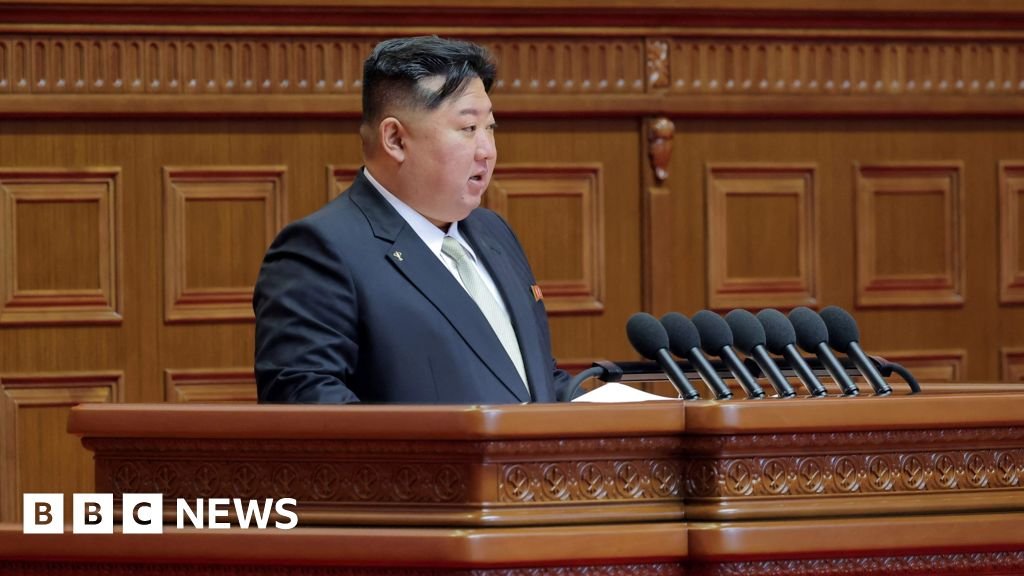
Kim Jong Un Re-Elected as General Secretary of North Korea’s Workers’ Party
In a significant political event for North Korea, Kim Jong Un has been re-appointed as the General Secretary of the Workers’ Party during a high-profile party congress. This congress marks a pivotal moment in the country’s political landscape as it underscores Kim’s continuing leadership and vision for the nation.
Overview of the Party Congress
The congress, which took place over a few days, was attended by key party officials and military leaders, reflecting the regime’s emphasis on unity and strength. Commemorating the 78th anniversary of the Workers’ Party, this event was not just a formality; it served as a stage for Kim to reinforce his authority and outline future goals for North Korea.
Kim’s Vision for North Korea
During the congress, Kim Jong Un highlighted the progress made in North Korea’s economy, underlining his administration’s efforts to bolster the nation amid sanctions and international isolation. He praised the resilience of North Korean industries and agriculture, claiming advancements in these sectors have been critical in maintaining stability.
Kim emphasized that North Korea aims to enhance its regional influence, positioning itself as a formidable player in East Asian geopolitics. This assertion of strength aligns with the North’s strategic interests, especially amidst concerns over nuclear capability and military preparedness.
Party Resolutions and Leadership Changes
The re-election of Kim culminated discussions on multiple resolutions, shaping the party’s directions moving forward. These resolutions included plans for economic reform and defense strategies, aiming to strengthen North Korea’s position domestically and internationally.
Kim’s leadership is expected to focus on several key areas:
Economic Improvement
The North Korean economy has faced unprecedented challenges, particularly under international sanctions imposed due to its nuclear program. Kim’s recent statements suggest a commitment to economic revitalization, emphasizing self-sufficiency and technological innovation to mitigate external pressures.
Influence in the Region
As tensions rise in East Asia, North Korea seeks to assert its influence through diplomatic and military channels. Kim’s rhetoric during the congress indicated aspirations for more robust relationships with certain allies while simultaneously preparing for potential conflicts with perceived adversaries.
Response to Global Changes
With the changing geopolitical landscape, the North’s leadership under Kim Jong Un appears prepared to navigate a complex international environment. Recent reports hint at the possibility of strategic recalibrations as North Korea seeks to adapt to evolving global dynamics.
Internal and External Challenges
Despite the ambitious goals laid out, Kim’s administration faces significant hurdles, including food shortages and a stagnant economy. Moreover, the internal power structure remains crucial, as loyalty within the military and party ranks becomes increasingly essential amidst economic and health crises exacerbated by the pandemic.
Conclusion: The Road Ahead for North Korea
The reelection of Kim Jong Un as General Secretary signifies not only continuity but also a potential escalation in North Korea’s ambitions on the world stage. As the nation confronts various challenges, its future will largely depend on Kim’s ability to implement effective economic reforms and navigate international relations strategically.
North Korea’s trajectory under Kim Jong Un will be closely monitored by global powers, particularly as the country hints at strengthening its role in East Asia. The developments following this congress will undoubtedly shape the geopolitical landscape in the years to come, making it a critical juncture for North Korea.
