


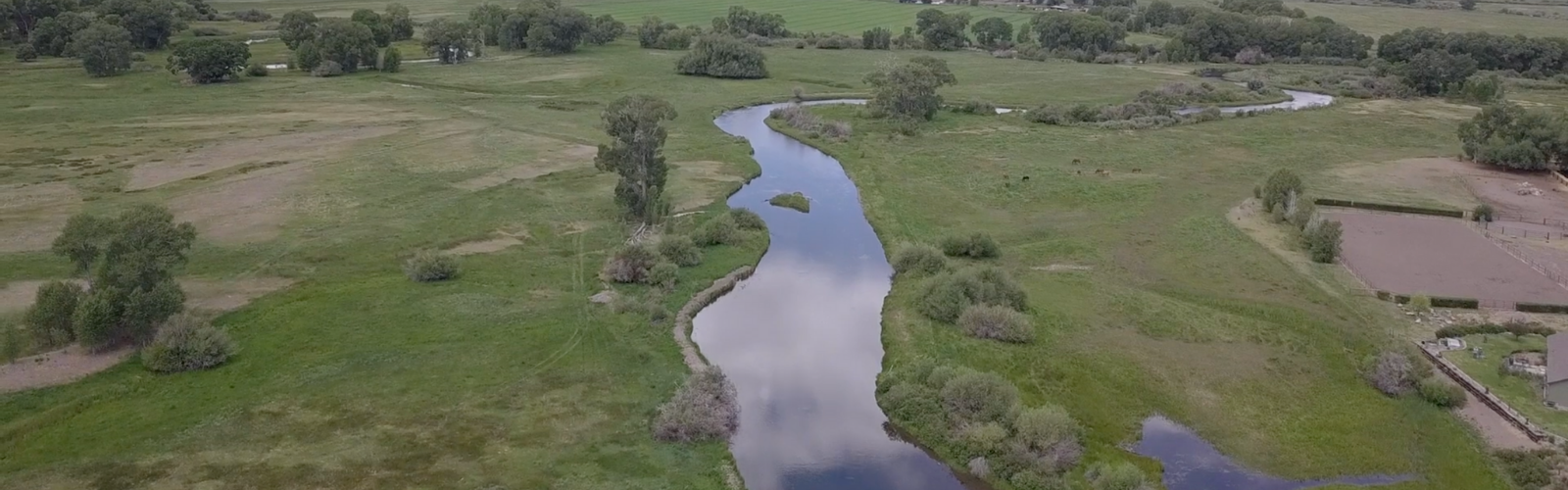
The Vital Connection: Protecting the Rio Grande and San Luis Valley
In south-central Colorado, the Rio Grande River serves as a lifeblood for the diverse communities of the San Luis Valley. This vital waterway unites generations, providing essential resources for agriculture, recreation, and wildlife while fostering a deep-rooted connection to the region’s rich history. Water management poses perennial challenges in this arid landscape, and the recent documentary Through Line highlights a new generation of water managers tackling pressing issues such as climate change, escalating water demand, and potential export threats.
The Importance of the Rio Grande
The Rio Grande is more crucial than ever, supplying not only agricultural and recreational water but also supporting vital wildlife habitats and serving as a source of clean drinking water for local and downstream communities. However, like many southwestern rivers, it is beset by numerous challenges, including habitat degradation, over-allocation of water resources, and diminishing flow rates due to ongoing drought conditions.
Recognizing these significant threats, the San Luis Valley communities came together to establish the Rio Grande Headwaters Restoration Project (RGHRP) in 2001. This initiative focuses on restoring and conserving the Rio Grande’s health, ensuring that diverse ecological and human communities continue to rely on its resources.
A Holistic Approach to Restoration
Over two decades, the RGHRP has forged partnerships among farmers, ranchers, state and federal agencies, local communities, and non-profits to implement holistic restoration projects. These efforts aim to enhance fish and wildlife habitats, improve agricultural water usage, expand recreational opportunities, and elevate overall river health.
Through Line illustrates the multifaceted benefits that the Rio Grande provides, emphasizing that the water flowing through rivers and streams is intrinsically linked to groundwater systems beneath. The San Luis Valley community’s collaboration underlines the essential nature of this shared and finite resource for all residents.
New Challenges: The Water Export Proposal
Currently, a new challenge threatens the region: a controversial water export proposal by Renewable Water Resources (RWR). This plan aims to extract 22,000 acre-feet of water from the San Luis Valley’s confined aquifer for export to urban areas on Colorado’s Front Range. Such a move would undermine the aquifer’s sustainability, permanently dry up an estimated 20,000 acres of fertile farmland, and adversely affect rivers, streams, and wetlands that sustain the local community and its wildlife.
The residents of the San Luis Valley have united in their opposition to this water export plan, as it jeopardizes the backbone of their community—its water supply. They understand that safeguarding their water resources is imperative for the well-being of both the valley and its inhabitants.
Celebrating Conservation Efforts
Through Line not only highlights the importance of safeguarding the Rio Grande but also profiles modern water management practices. The film showcases a growing cohort of women in the water management profession—a field traditionally dominated by men—who are collaborating to align community needs with the river’s requirements. As Karla Shriver points out in the documentary, "the future health of the Rio Grande is in good hands."
The film underscores the potentially disastrous impacts of the water export proposal on the valley, the river, and all its dependent ecosystems. Ronda Lobato, a key voice in Through Line, insists, “If our little community doesn’t work together to protect our land and water, everything’s lost.” Her sentiment resonates deeply with the community’s commitment to preserving their unique environment.
Conclusion: A Call to Action for a Healthy Future
The Rio Grande and the San Luis Valley represent a magical part of Colorado and the broader Southwest. Ensuring a healthy, flowing Rio Grande is essential for the community’s present and future thriving. As residents unite to protect this vital resource, they recognize that collective action is pivotal for sustaining both their livelihoods and the vibrant ecosystems that surround them.
To learn more about the efforts to protect San Luis Valley water, explore the Protect San Luis Valley Water initiative and discover how you can become involved in the fight for a sustainable future.
This article serves not only as a call to action but also as an informative piece about the ecological and cultural significance of the Rio Grande and the ongoing struggles faced by its surrounding communities.
