


Jimmy Lai’s Conviction: A Deep Dive into a Landmark Case in Hong Kong
Overview of the Case
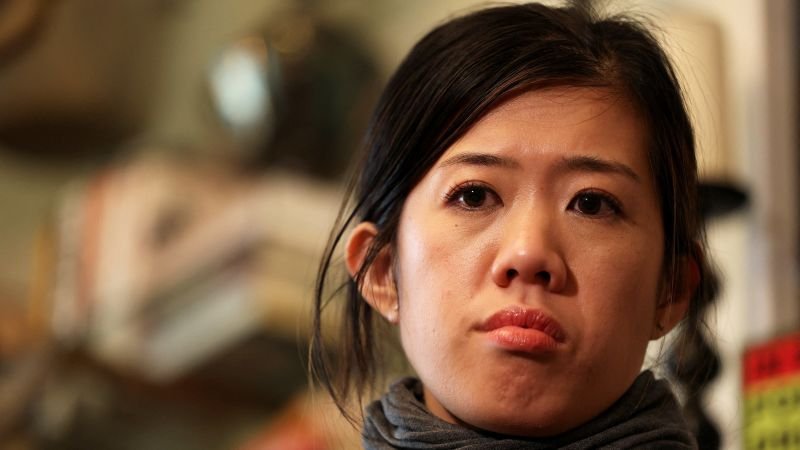
In a significant turn of events for Hong Kong’s legal landscape, media tycoon Jimmy Lai has been convicted under the controversial national security law. Lai, a prominent advocate for democracy, faces a potential life sentence as a result of this ruling. His daughter, Claire Lai, remarked on the emotional toll of the guilty verdict, highlighting the perceived inadequacies of Hong Kong’s legal framework under increasingly stringent Chinese governance.
The Impact of the National Security Law
The national security law, enacted by Beijing in 2020 after widespread pro-democracy protests, has drawn criticism for its vagueness and harsh implications. Many see it as a tool for silencing dissent. Claire Lai categorized the law as "draconian" and "arbitrary," emphasizing that it fails to protect fundamental rights such as freedom of the press. Lai’s daughter expressed her concern about the implications of the verdict, arguing that the ruling was expected but heartbreaking.
Jimmy Lai: A Profile
Born in mainland China and relocating to Hong Kong at the age of 12, Jimmy Lai climbed from humble beginnings as a factory laborer to become a successful entrepreneur and media executive. He founded Apple Daily, a newspaper known for its provocative criticisms of the Chinese Communist Party (CCP). This publication played a crucial role in shaping public discourse around democracy in Hong Kong, particularly during the protests that erupted between 2019 and 2020.
Media Advocacy and Political Engagement
Lai’s extensive lobbying efforts in the United States, particularly during Donald Trump’s administration, were cited by prosecutors as evidence of "colluding with foreign forces." His engagements included high-profile meetings with then-Vice President Mike Pence and Secretary of State Mike Pompeo. These activities have raised eyebrows, with critics claiming they amount to political sedition.
Criticisms of the Trial
Legal experts and human rights advocates have widely condemned the trial as lacking transparency and fairness. Human rights barrister Jonathan Price described the proceedings as a "performative process" leading to a predetermined verdict. The absence of a jury in national security cases marks a troubling deviation from Hong Kong’s traditional legal practices, making many question the integrity of the judicial system.
The Verdict’s Reception
In the aftermath of the verdict, Hong Kong authorities have defended their judicial process, insisting that the verdict was grounded in law rather than politics. They assert that the ruling is available for public scrutiny and that the judicial system remains committed to upholding the rule of law. Nevertheless, international observers express deep concerns about the implications for judicial independence in the region.
Health Concerns Amidst Imprisonment
Lai’s family has voiced worries over his deteriorating health in custody. Specifically, Claire Lai has reported alarming weight loss and various health issues, including diabetes and heart complications. In response, authorities claim that Lai is receiving adequate medical attention. Nonetheless, these health concerns remain a point of contention among advocates seeking his release.
Ongoing International Response
Lai’s case has drawn significant international attention, with various leaders expressing concern for his wellbeing and calling for his release. During his presidency, Donald Trump stated he had discussed Lai’s situation with Chinese President Xi Jinping, igniting hope among supporters that diplomatic intervention could accelerate his freedom.
Continued Advocacy
Despite the verdict, Claire Lai affirmed her family’s commitment to advocating for her father’s release. She expressed gratitude for the ongoing support from various leaders and organizations, describing it as a source of hope in their struggle.
Conclusion: The Road Ahead
As the situation in Hong Kong continues to evolve, Jimmy Lai’s case remains emblematic of broader struggles for democracy and freedom in the region. The international community’s response, along with persistent advocacy efforts by Lai’s family, will be pivotal in determining the future of not only Lai but also the legal and political landscape of Hong Kong. The aftermath of this landmark case could have lasting implications for the rights and freedoms of citizens in the city.
This article delves into the intricate details surrounding Jimmy Lai’s trial and its legal ramifications, shedding light on the significant issues revolving around freedom of expression in Hong Kong under the national security law.
