


Turmoil in Iran: Impact of Recent Strikes on Key Leadership and Regional Stability
Introduction
In a significant escalation of conflict, reports from Dubai indicate the deaths of two high-ranking Iranian officials, which could alter the landscape of Iran’s political and military influence in the region. Iranian state media has yet to confirm these deaths, but the fallout is palpable, with Tehran retaliating with missile strikes against its Gulf neighbors and Israel.
The Israeli Announcement
Israeli Defense Minister Israel Katz declared that Iran’s top security official, Ali Larijani, and General Gholam Reza Soleimani, head of the Basij militia, were “eliminated” during recent military operations. Katz emphasized that these strikes are part of a broader Israeli military strategy to dismantle Iran’s military leadership following the death of Supreme Leader Ayatollah Ali Khamenei in an airstrike earlier this year.
Background on the Officials
Ali Larijani
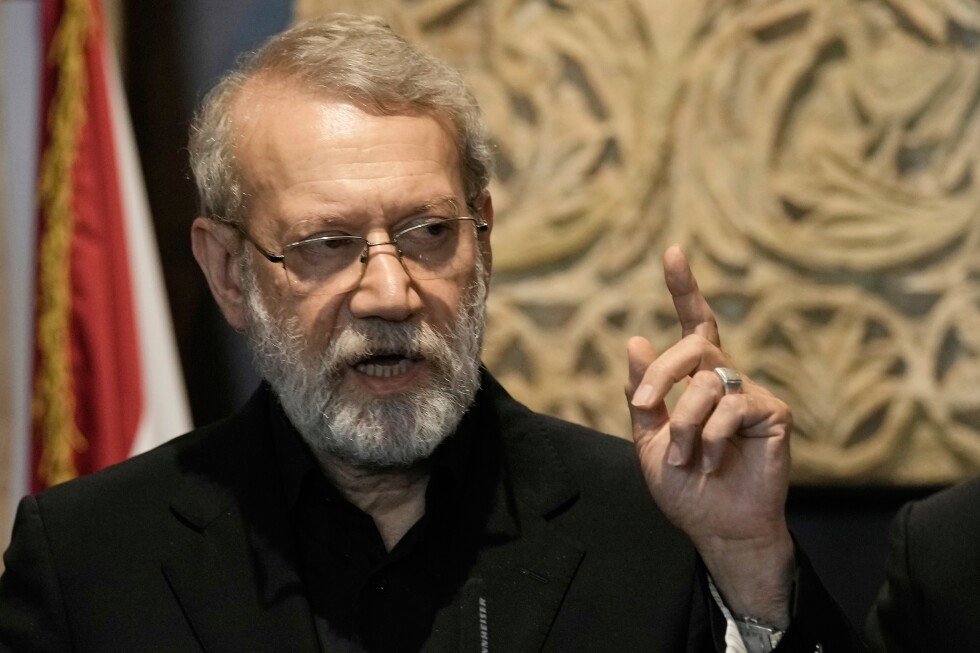
Larijani comes from a prominent political family in Iran and has held several influential positions, including Speaker of the Parliament and Secretary of Iran’s Supreme National Security Council. His strategic role during nuclear negotiations with the Trump administration underscored his importance within Iran’s political elite.
General Gholam Reza Soleimani
Soleimani led the Basij militia, an organization known for its violent suppression of dissent within Iran. His military career has been marked by significant involvement in enforcing government authority during protests. The U.S. and the European Union have sanctioned him for his role in these operations, marking him as a facilitator of the Iranian regime’s oppressive tactics.
Increased Military Aggression from Iran
While Israel has claimed responsibility for these targeted strikes, Iran has ramped up its missile attacks on neighboring countries. The recent escalation has led to missile impacts in the United Arab Emirates, resulting in temporary airspace closures in Dubai, a major global travel hub. Debris from intercepted missiles has also resulted in civilian casualties, including a reported death in Abu Dhabi.
Regional Turbulence
Iran’s continuing assaults on its Gulf neighbors have heightened tensions across the region. The energy infrastructure is particularly vulnerable, with strikes on facilities like those in Fujairah, raising alarms about potential disruptions to global oil supplies. With the Strait of Hormuz being a crucial corridor for oil transport, any instability could have far-reaching consequences for global energy markets.
Economic Ramifications of the Conflict
The ongoing aerial assaults have repercussions beyond mere political machinations. The price of Brent crude oil has soared to over $100 a barrel, reflecting the increasing strain on oil markets as uncertainty around regional stability endures. Calls have emerged within the U.S. for military support to safeguard the Strait of Hormuz, yet many nations are hesitant to engage directly in what they see as a quagmire without a clear exit strategy.
Backlash in the Middle East
UAE and Saudi Interventions
Following Iranian attacks, the United Arab Emirates had to briefly suspend air traffic to respond to the threat posed by missile and drone launches. Meanwhile, Saudi Arabia successfully intercepted several drones aimed at oil-rich provinces, stressing the gravity of the situation for Gulf Arab states.
Expanding Strike Zones
Qatar’s defenses were also put to the test with missile threats intercepted over the capital. Meanwhile, Iraqi security officials reported damage from drone strikes targeting the U.S. Embassy in Baghdad, reinforcing the perception that Iran’s military influence is extending beyond its borders.
Targeted Strikes by Israel
In retaliation, the Israeli military has launched aggressive strikes targeting Iranian military installations in Tehran and Beirut. These operations have included airstrikes on command centers and missile facilities, reflecting Israel’s determination to curtail Iranian military capabilities. Reports suggest that the conflict has led to civilian casualties, with significant displacement effects felt across Lebanon.
Conclusion
The recent developments surrounding the deaths of high-ranking Iranian officials and escalating military engagement have profound implications for regional stability and global energy markets. In a fragile geopolitical landscape, countries in the Middle East must navigate a precarious balance of power, while the international community watches closely, mindful of the broader economic impacts.
As tensions continue to rise, the question remains: how will Iran and its adversaries respond next in this escalating conflict? The potential for further confrontations looms large, dictating the path forward for both political leaders and ordinary citizens caught in the crossfire.
For more information on this developing story, visit AP News.
