


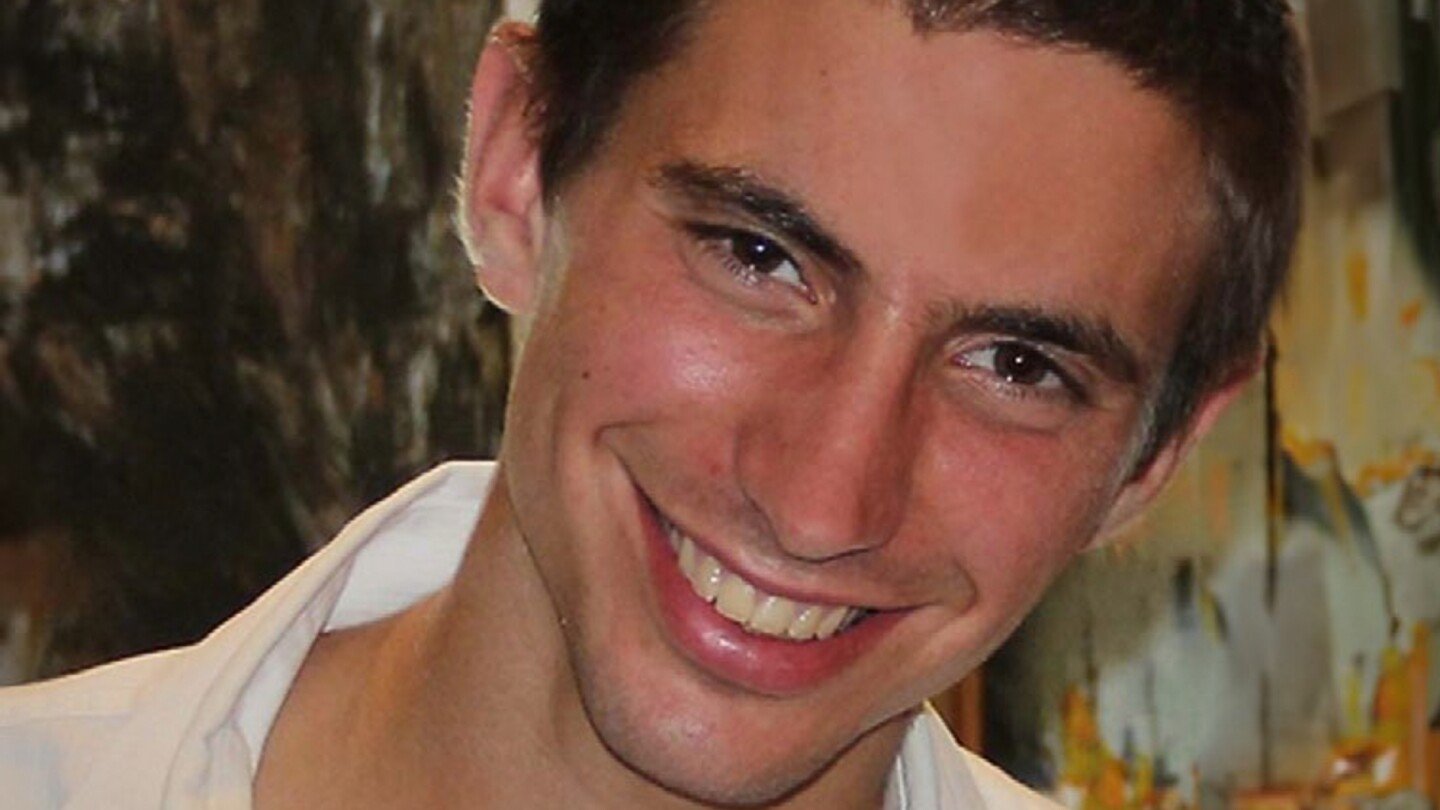
Israel Receives the Remains of Soldier Hadar Goldin: A Closing Chapter After Years of Agony
TEL AVIV, Israel — In a significant development for bereaved families and the nation, Israel confirmed on Sunday that it has received the remains of Hadar Goldin, a soldier who lost his life during the conflict in the Gaza Strip in 2014. This marks the culmination of over a decade of anguish for Goldin’s family, who have tirelessly campaigned for his return.
The Circumstances of Hadar Goldin’s Death
Hadar Goldin, 23, was killed mere hours after a ceasefire was declared in the 2014 war between Israel and Hamas. His family has been vocal about their distress, observing various milestones, including the recent commemoration of 4,000 days since his body was taken. Evidence gathered by the Israeli military, including a blood-stained shirt found in the tunnel where Goldin’s body was believed to have been held, confirmed their worst fears long ago.
Goldin’s remains had been the only ones left in Gaza that predated the current conflict between Israel and Hamas.
A Painful Yet Resolute Journey for the Family
Goldin’s return was part of a U.S.-brokered truce that has faced challenges amid ongoing tensions and slow progress in bringing back hostages. As the police convoy escorted his remains to the national forensic institute, dozens of supporters paid their final respects along the route. His family, visibly emotional, reflected on their long and trying journey, filled with what they termed “many disappointments.”
Leah Goldin, Hadar’s mother, expressed a lingering sense of loss, stating the military, "and not anyone else," was responsible for bringing her son home—a pointed criticism of Israeli Prime Minister Benjamin Netanyahu. Netanyahu, at a Cabinet meeting, acknowledged the profound suffering endured by Goldin’s family during the lengthy absence of their son’s remains.
U.S. Involvement and Ceasefire Negotiations
In the backdrop of this heartbreaking development, Jared Kushner, former President Donald Trump’s son-in-law and key advisor, has returned to Israel. His presence signifies continued efforts in the ceasefire negotiations that began with the 20-point ceasefire plan introduced on October 10. This plan emphasizes halting the ongoing violence, securing the release of hostages, and improving humanitarian conditions in Gaza.
Reports suggest Kushner is facilitating discussions for a safe exit for the estimated 150-200 Hamas militants trapped in exchange for the surrender of weapons, linked to the return of Goldin’s remains. Meanwhile, Israeli officials have downplayed any notion that they are negotiating a dual agreement regarding the situation of militants surrounded by Israeli forces.
A Mother’s Grief and Advocacy
For Leah Goldin, the return of her son’s body carries immense ethical and religious significance, representing a binding promise that Israel makes to its citizens who serve in the military. She described the prolonged uncertainty regarding her son’s fate as akin to “a knife constantly making new cuts.” Goldin highlighted that while some families of hostages have been rallied to advocate for their loved ones, her own family often felt isolated during their struggles.
Reflecting on their experience, Leah expressed that they were initially seen as a “symbol of failure” when trying to assist other families. Yet, their pain remains a poignant reminder of the deeper issues at play in ongoing hostilities.
The Broader Context of Hostages and Casualties
The delicate situation extends beyond Goldin’s family. For every Israeli hostage that is returned, Israel has been releasing the remains of 15 Palestinians. This process has seen the return of around 300 remains, though only 89 have been identified. Following the October 7 attacks, around 1,200 individuals lost their lives in southern Israel, along with 251 kidnapped.
The Gaza Health Ministry, part of the Hamas-run administration, reports that the death toll in Gaza has surged to 69,176, underscoring the heavy toll of the ongoing conflict.
As families mourn and communities seek answers, the return of Hadar Goldin’s remains is a critical moment for many in Israel, symbolizing both closure and the enduring struggle for peace amidst enduring turmoil.
