


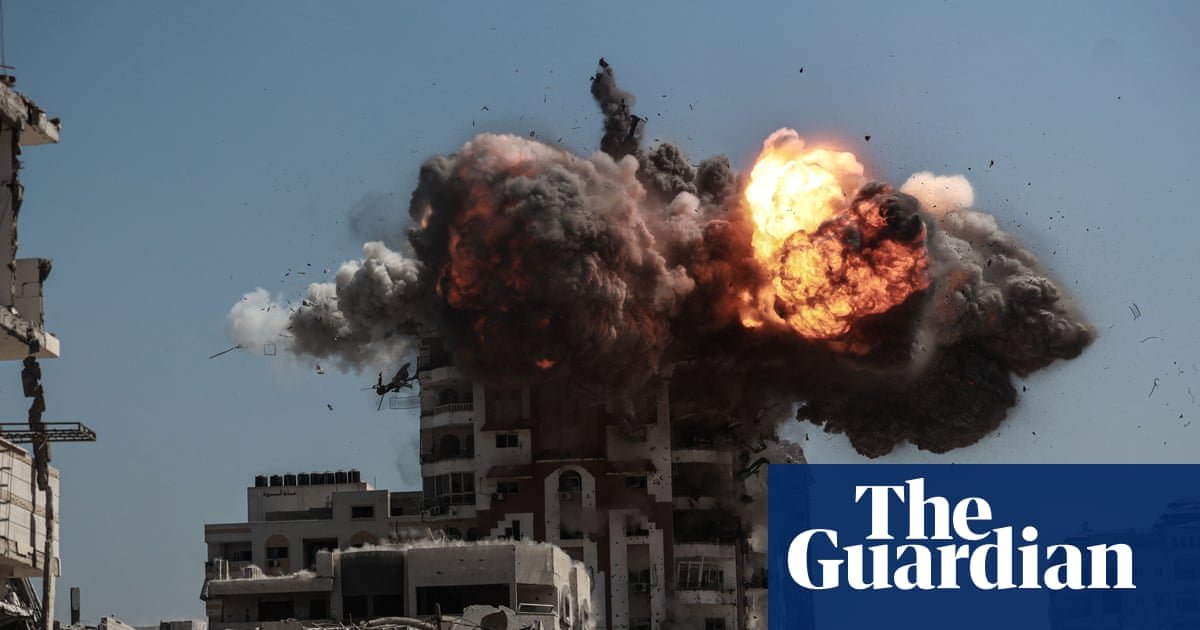
Israel Acknowledges High Death Toll in Gaza – A Shift in Stance
Israel’s military has made a significant shift regarding the humanitarian impact of its military actions in Gaza, acknowledging the death toll reported by local health authorities. This move marks a departure from years of skepticism and dismissive attitudes toward Palestinian casualty figures.
The Significant Death Toll
Recent statements from Israeli security officials indicate that approximately 70,000 Palestinians have died due to Israeli military actions since October 2023, excluding those still unaccounted for. This figure represents the first official estimate from Israel concerning the human cost of the ongoing conflict, which has been heavily scrutinized by international observers.
Gaza’s health authorities report that over 71,660 fatalities have been recorded, with at least 10,000 individuals believed to be buried under the rubble of bombed structures. This discrepancy highlights the ongoing challenges in accurately assessing the situation on the ground.
Repercussions of Acknowledgment
In the past, Israeli officials, along with various media outlets, continually criticized Palestinian casualty figures, labeling them as “Hamas propaganda.” The abrupt change in Israel’s stance raises critical questions about the credibility of its military operations in Gaza and how the domestic public perceives the conflict.
As noted by rights groups and a UN commission, there have been serious allegations that Israel may be committing acts considered genocide against the Palestinian population. The Israeli newspaper Haaretz has called for introspection among the Israeli public, asking, “What other accusations could turn out to be true?”
Civilian Casualty Speculations
This new recognition from Israeli authorities is expected to amplify scrutiny regarding civilian casualties in Gaza. The Israeli military claimed to have targeted 22,000 militants, suggesting that a staggering more than two-thirds of the reported deaths were non-combatants. This contrasts sharply with previous projections, where the government claimed only 50% of those killed were civilians.
Moreover, a classified Israeli military database indicates that about 83% of casualties were civilians, raising further concerns about the military’s engagement rules and moral justification.
Reviewing Civilian Status
Despite the newly acknowledged death toll, further assessments regarding how many victims were civilians remain pending. The Times of Israel indicated that while the military largely accepts the figures provided by Gaza’s health authorities, further analysis is required to categorize the deceased accurately. However, the Palestinian database includes personal identifiers like names and birth dates, distinguishing it from other reporting tools.
Media Coverage of the Shift
The new casualty figure was predominantly overlooked by much of the Israeli media landscape, despite its profound implications. Only Haaretz highlighted the report prominently, while others, like Yedioth Ahronoth, mentioned it but focused on diplomatic maneuvers involving the U.S., Qatar, and Israel.
Humanitarian Access and the Rafah Crossing
In related developments, the Israeli military announced the reopening of the Rafah crossing, which connects Gaza and Egypt, marking a pivotal moment for humanitarian access. Palestinians who had left Gaza can now apply to return, although the crossing will remain under Israeli control. A European Union force is slated to supervise, but the crossing will only accommodate pedestrian traffic, potentially failing to alleviate severe shortages of essential goods in Gaza.
Conclusion
Israel’s acknowledgment of the high casualty figures in Gaza marks a critical juncture in understanding the conflict’s implications on civilians. As the world watches, the dynamics surrounding military engagement, civilian casualties, and humanitarian access remain more crucial than ever in addressing the ongoing crisis. For more insights on the situation in Gaza, you can visit The Guardian or refer to Haaretz.
