


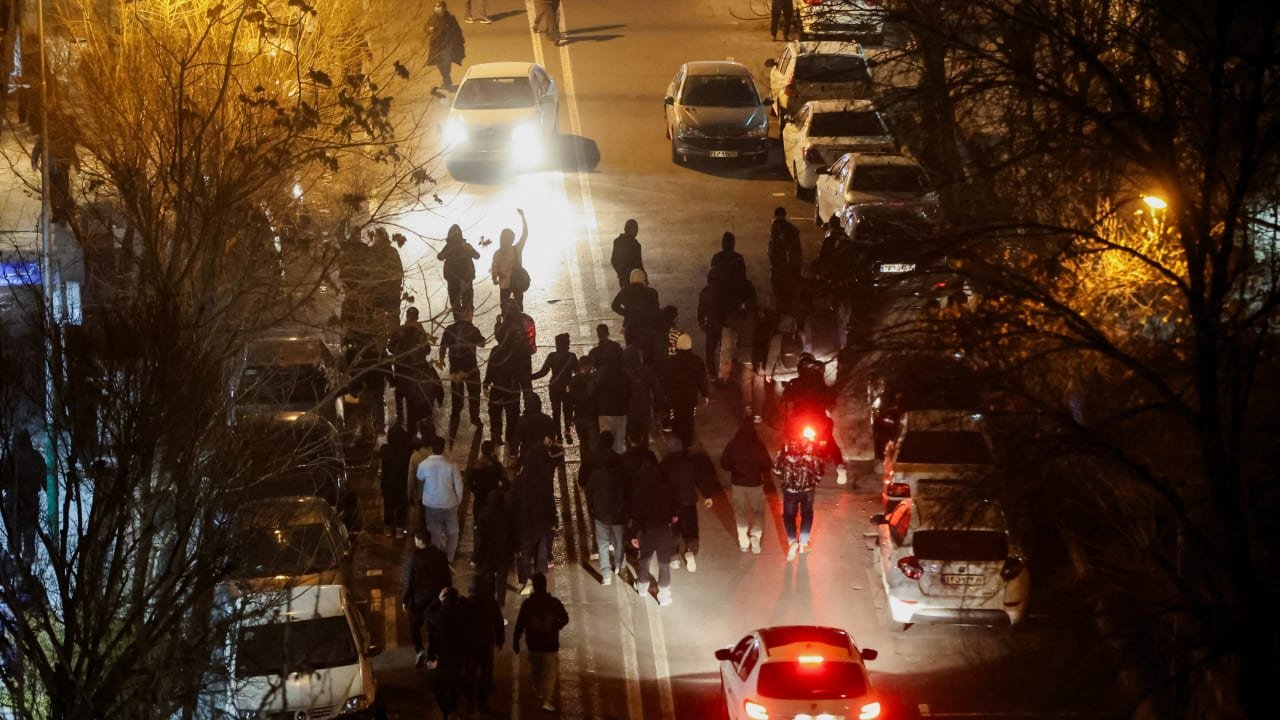
Rising Tensions in Iran: A Potential Catalyst for Increased Unrest
Iran’s ruling elite is grappling with a range of challenges, primarily concerns surrounding intensified public dissent in the wake of a recent crackdown on anti-government protests. As the political landscape in Iran shifts, officials warn that external actions, particularly U.S. military operations, could exacerbate internal frustrations and potentially destabilize the regime.
The Current Climate of Unrest
The Iranian populace has exhibited unprecedented anger following the bloodiest governmental crackdown since the 1979 Islamic Revolution. In a series of confidential discussions led by senior government officials, Supreme Leader Ayatollah Ali Khamenei was informed that the fear traditionally used to suppress protests is diminishing. Public sentiment has hardened, with many citizens reportedly willing to confront security forces once more, especially if the U.S. were to undertake military action.
The Response to Protests
Amid this backdrop, the Iranian regime has employed lethal force against demonstrators, resulting in significant casualties. Khamenei’s government has attributed the turmoil to foreign interference, labeling dissent as “sedition.” This rhetoric aims to cast protestors as akin to terrorist groups, thereby justifying violent crackdowns while attempting to consolidate power.
Internal Governmental Woes
Several high-ranking officials have expressed concern that military actions from the U.S. could embolden Iranians to protest anew. One official articulated that an assault on Iranian territory combined with spontaneous demonstrations could jeopardize the very foundation of the ruling system. This warranting response highlights a fracture in the leadership’s public posture versus its internal apprehensions. Despite the official narrative of unwavering stability, there are growing fears regarding the regime’s longevity.
The Fear of Collapse
During the early January protests, the security forces’ violent response left tens of thousands injured or dead, a severe culmination of the regime’s longstanding issues: economic decline, entrenched corruption, and social inequality. As public frustration simmers, insiders have warned that another uprising, especially in conjunction with external pressure, could lead to an outright collapse of the Islamic Republic.
Calls for Reform
In light of these challenges, former officials within Iran have advocated for significant reforms—stating that minor alterations will not suffice to quell the rising tide of dissent. Hassan Rouhani, a former president, indicated that if the regime fails to respond adequately to public demands for reform, it risks facing renewed protests within weeks or even days. This perspective underscores the urgency for the ruling class to reconsider its approach to governance in order to maintain public support.
The View from Opposition Figures
Opposition leaders, who once supported the current regime, are now voicing dire warnings about the consequences of inaction. Mir-Hossein Mousavi, a key opposition figure, emphasized that the sacrifices made by protesters in the past cannot be brushed aside. He urged recognition that the populace is unequivocally disillusioned with the current government.
The Role of External Pressure
The situation is further complicated by the presence of U.S. military assets in the Middle East, signifying a readiness for intervention should circumstances necessitate. Analysts assert that while the streets appear calm for now, the underlying discontent could resurface, particularly if American actions provoke a backlash.
The Future of Iranian Governance
As tensions escalate, many ordinary Iranians express skepticism that the regime will respond calmly to renewed protests. Citizens fear a brutal crackdown akin to past violent episodes. They remain aware that their aspirations for a more equitable society may confront significant barriers, especially if dissent continues to be met with force.
Conclusion: A Pivotal Moment for Iran
As this critical period unfolds, Iran stands at a crossroads. The leadership’s response to public grievances, coupled with potential external military interventions, will determine whether the current instability spirals into wider conflict or paves the way for meaningful change. Only time will tell how these dynamics will shape the future of the Iranian regime and its people.
For comprehensive insights into the evolving geopolitical landscape in the Middle East, stay informed through authoritative sources like the Jerusalem Post.
