


Surge of Immigration Enforcement in Charlotte Sparks Community Concerns
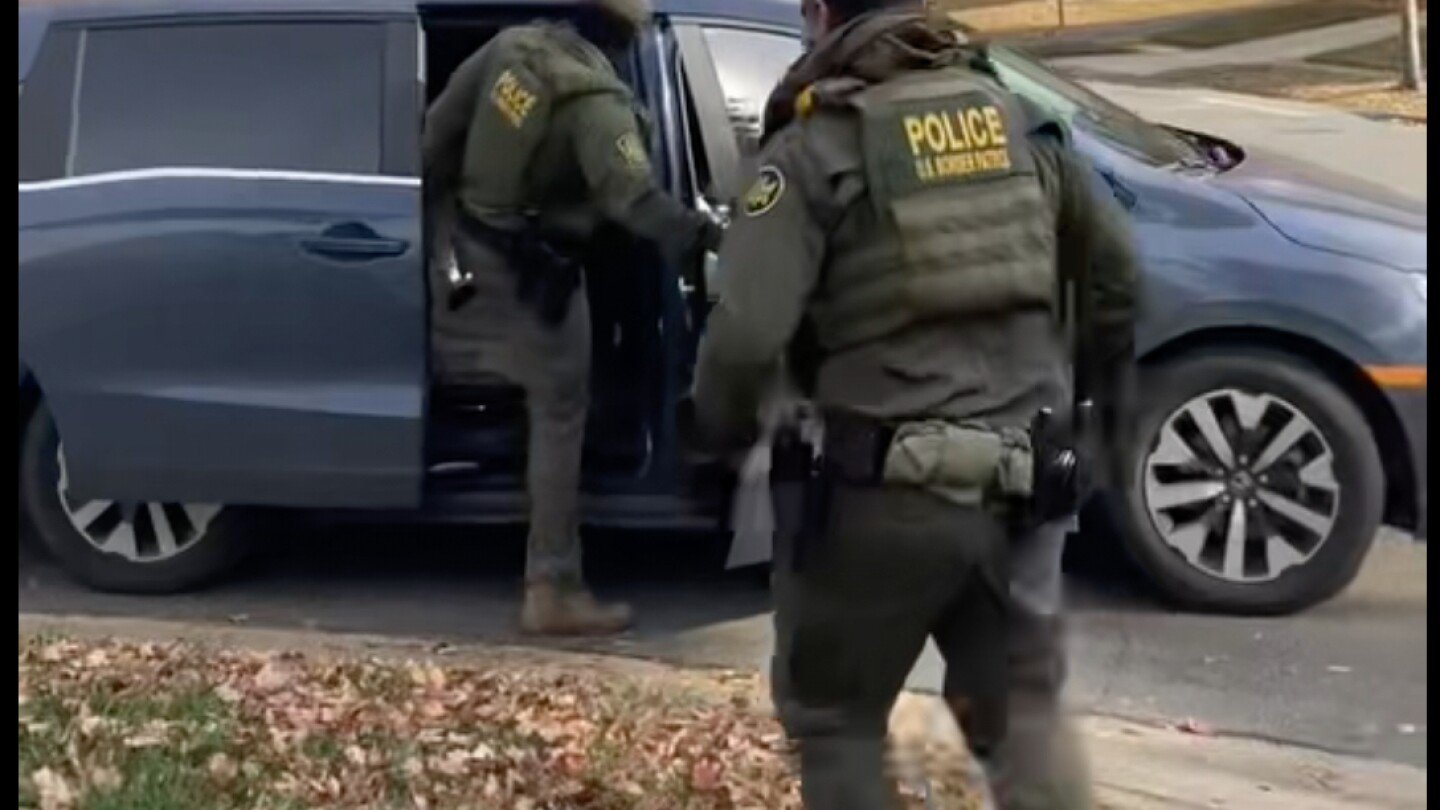
CHARLOTTE, N.C. — A recent increase in immigration enforcement operations in North Carolina’s largest city has been confirmed by federal officials, resulting in widespread concern among local residents and leaders. Reports indicate that agents from U.S. Customs and Border Protection (CBP) and U.S. Immigration and Customs Enforcement (ICE) have begun making arrests in various locations across Charlotte.
Federal Officials’ Justification for Actions
Assistant Homeland Security Secretary Tricia McLaughlin stated, "Americans should be able to live without fear of violent criminal illegal aliens hurting them, their families, or their neighbors." This announcement signals a focused effort by the Department of Homeland Security (DHS) to enhance public safety in the region. However, local officials, including Charlotte Mayor Vi Lyles, have criticized these actions as generating "unnecessary fear and uncertainty" among residents.
In a joint statement with other community leaders, Lyles emphasized, “We want people in Charlotte and Mecklenburg County to know we stand with all residents who simply want to go about their lives.” This sentiment echoes the concerns of many community members who feel targeted by these federal operations.
Heightened Community Tension
The announcement of enforcement activities comes after Mecklenburg County Sheriff Garry McFadden hinted that federal agents would soon be arriving in the area. With Charlotte being a diverse city of over 900,000 residents, including approximately 150,000 foreign-born individuals, the presence of enforcement agents has raised alarms.
Paola Garcia, a spokesperson for Camino, a bilingual nonprofit organization, reported witnessing a marked increase in encounters with CBP and ICE agents. "Basically, what we’re seeing is that there have been lots of people being pulled over," she explained. These interactions have left many community members feeling vulnerable and wary.
Personal Accounts of Enforcement Encounters
Willy Aceituno, a U.S. citizen originally from Honduras, encountered Border Patrol agents while commuting to work. He described a distressing scene where agents chased individuals, prompting many in the Latino community to flee. Aceituno himself was stopped on two occasions, resulting in a forceful encounter that ended with him being thrown to the ground. "I told them, ‘I’m an American citizen,’" Aceituno recounted, highlighting a troubling experience that raised questions about the assumptions and methods employed by enforcement agents.
Community Reactions and Concerns
In one instance that showcased the tense atmosphere, two workers were observed hanging Christmas lights in a local yard when Customs and Border Patrol agents approached them. Rheba Hamilton, the homeowner, expressed alarm at the unnecessary scrutiny directed toward individuals simply trying to earn a living. “This is an abuse of all of our laws,” she stated, emphasizing the implications of such actions on civil rights.
Local organizations are taking steps to inform immigrants about their rights, recognizing that the climate of fear impacts not only individuals but also local businesses. JD Mazuera Arias, a newly-elected city council member, reported observing closed businesses due to fears surrounding immigration enforcement. He lamented, “This is Customs and Border Patrol. We are not a border city, nor are we a border state. So why are they here?”
Broader Implications and Official Responses
While the federal government has defended these enforcement operations as necessary for combating crime and upholding immigration laws, critics argue that many individuals detained during these operations have no criminal convictions. North Carolina Governor Josh Stein emphasized the importance of documenting any inappropriate behavior observed during these encounters, urging residents to contact local law enforcement if needed.
The Charlotte-Mecklenburg Police Department has clarified that it is not involved in federal immigration enforcement, aiming to maintain a degree of separation between community policing and federal actions.
Conclusion
As Charlotte navigates this unexpected wave of immigration enforcement, community members and leaders are grappling with a sense of instability. The responses from local officials and organizations reflect a deep concern for civil rights and the well-being of all residents—highlighting a critical intersection of law enforcement, community safety, and immigration policy in contemporary America.
In navigating these challenging times, the collective voices of Charlotte’s residents, coupled with proactive community organization, may serve as a powerful counterbalance to the federal directives sweeping across the city. As discussions evolve, the community remains vigilant in advocating for the rights and safety of its diverse population.
For more information on immigration rights and community support, consider visiting organizations such as American Civil Liberties Union and Camino.
