


The Impact of COVID-19 on Hispanic Communities in Texas: A Harrowing Journey and Resilient Recovery
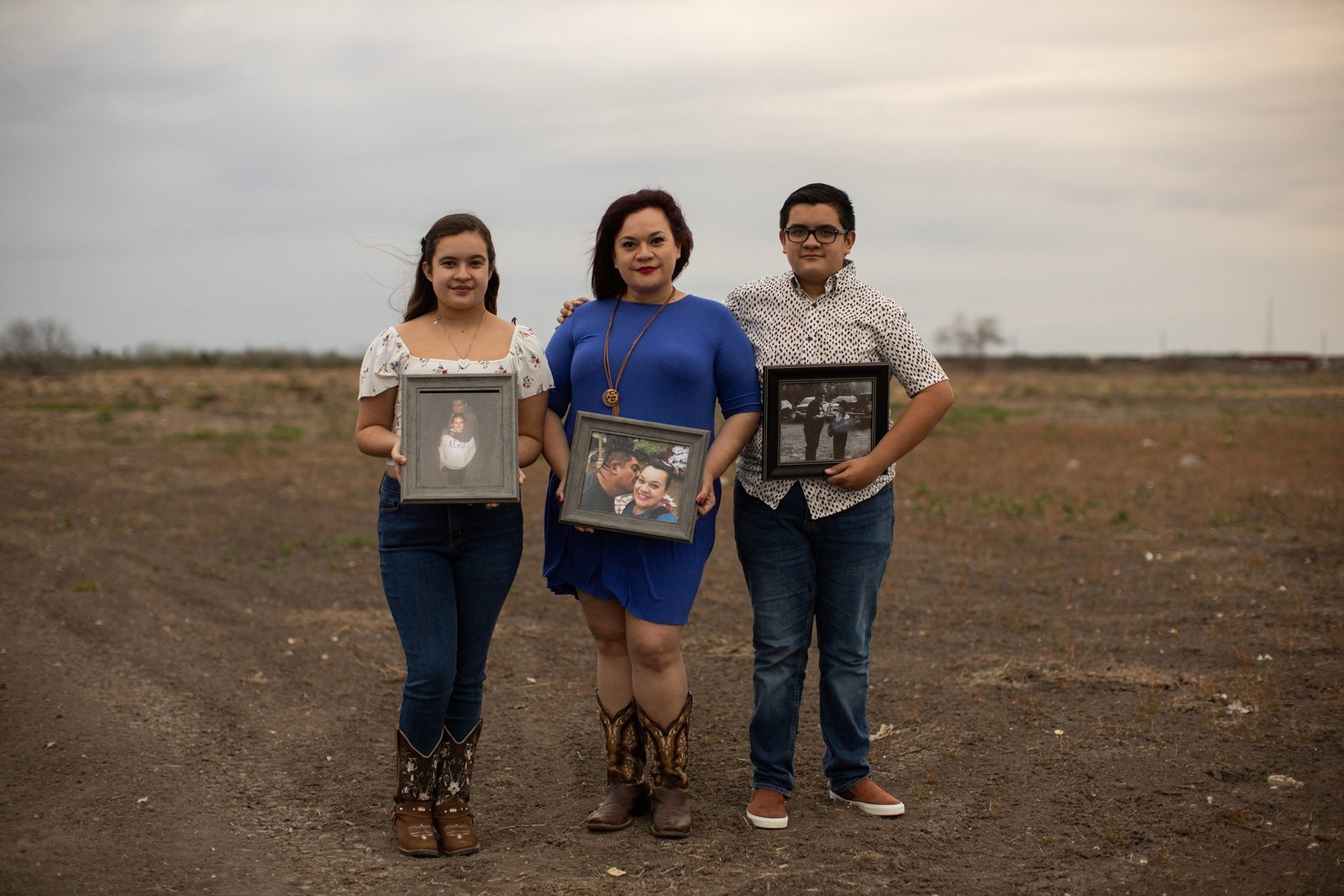
In the summer of 2020, the Rio Grande Valley of Texas became a site of unprecedented tragedy as COVID-19 took a devastating toll on the predominantly Hispanic community. The haunting sight of freezer trucks storing bodies in hospital parking lots became a stark reminder of the crisis enveloping the region. Delia Ramos, a resident of Brownsville, recalls the anguish as her husband Ricardo fell ill. He entered the hospital without her by his side, never to return. The funeral homes were overwhelmed, and she found herself on a waiting list for cremation services—a stark illustration of how communities were struggling to cope with the spike in mortality.
A Disproportionate Death Rate
By the conclusion of 2020, it became evident that the Hispanic population in Texas was disproportionately impacted by the pandemic. Although they represented nearly half of the COVID-19 deaths in the state, White Texans, despite similar population proportions, accounted for only 38% of the fatalities that year. Many Hispanic Texans worked in jobs that could not be performed remotely, exposing them to the virus. Living in multigenerational households further escalated the risk of infection, as they shared spaces with children and elderly family members.
Dr. Peter Hotez, a leading infectious disease expert, described the situation as one of "historic decimation" among Hispanic communities during a Congressional Hispanic Caucus meeting in September 2020.
Changes in Mortality Trends
Fast forward to today, COVID-19 death rates have dramatically decreased in Texas. An analysis of mortality data reveals a significant shift: by 2024, White Texans became the most affected demographic, representing 63% of COVID-19 deaths, while the Hispanic share declined to 23%. This turnaround can largely be attributed to high vaccination rates among Hispanic communities, especially in border counties, while also highlighting their increased vulnerability earlier in the pandemic.
Vaccination Rates Surge
The urgency to combat the virus compelled many Hispanic Texans to seek vaccination once the shots became available in December 2020. The fear from witnessing death within their communities encouraged them to pursue immunization at rates 10 percentage points higher than their White counterparts by 2023. Dr. Elizabeth Wrigley-Field from the University of Minnesota noted that firsthand experiences with COVID-19 made vaccine hesitancy less of a concern for those who had already seen the devastating consequences.
The Strain on Healthcare Systems
In areas like Hidalgo County, home to a 92% Hispanic population, funeral homes were inundated. Dr. Ivan Melendez, a family physician and local health authority, described the horrifying sight of bodies stacked in cooling freezers, illustrating the overwhelming burden placed on healthcare systems. The pandemic highlighted disparities in healthcare access, with many Hispanic Texans being underinsured and at higher risk for chronic conditions like obesity and diabetes.
Dr. Robert Rodriguez, an emergency medicine physician, echoed the sentiment that the pandemic revealed a lack of equitable resources. "It was not a level playing field," he noted, emphasizing the inadequacies in healthcare facilities within the Valley compared to more affluent regions.
The Road to Recovery: Embracing Vaccines
By the end of 2021, vaccination rates among Hispanic Texans began outpacing those of White Texans. By May 2023, around 56% of Hispanic Texans were vaccinated compared to approximately 46% of their White counterparts. This response stemmed from widespread community awareness and the visible effectiveness of the vaccines as hospitalization rates dwindled.
Dr. José Ernesto Campo Maldonado from UT Health Rio Grande Valley pointed out that the initial fears experienced by the community were alleviated through education about vaccination. The demographic’s commitment to vaccination was further solidified as local leaders effectively communicated the necessity of the vaccine based on COVID-19 infection numbers rather than socio-economic factors.
Declining Death Rates and Future Implications
The gradual decrease in COVID-19 deaths among Hispanic Texans began in late 2021, aligning with increased vaccination rates. By the time federal authorities declared the COVID emergency over in May 2023, over 92,000 Texans had succumbed to the virus, with 41% being Hispanic—only a slight reflection of their population share in Texas.
Experts suggest that the relatively high death toll among Hispanics was due to the earlier likelihood of suffering the severest consequences of the virus. Many of the most vulnerable in this population had already succumbed to COVID-19, leaving fewer at-risk individuals as the pandemic evolved.
Vaccine Fatigue and Mistrust
Despite the successes in vaccination, a growing number of individuals within Hispanic communities began expressing skepticism towards COVID-19 vaccines, mirroring a national trend. Maya Contreras, from Houston, illustrated the disillusionment some felt toward vaccinations, as a growing number of individuals among her social circles expressed doubts about their necessity.
The declining enthusiasm for vaccinations has raised red flags, particularly as outbreaks of preventable diseases like measles have resurfaced in Texas. The public’s perception of safety in the absence of immediate crises has led to growing apathy toward vaccines that once offered protection against life-threatening diseases.
Conclusion: A Cautionary Tale
The experiences of Hispanic Texans during the COVID-19 pandemic serve as a reminder of the fragility of public health and the significance of community resilience. The stark reversal in death rates underscores the importance of equitable healthcare access and the need to maintain public trust in health protocols and interventions.
As communities begin to forget the lessons of the past, public health advocates worry about the waning interest in vaccinations. It is crucial to continue promoting awareness around the importance of vaccines to ensure that future outbreaks do not result in the same level of devastation witnessed during the pandemic. Building back trust in vaccines and maintaining accessible healthcare resources will be essential in safeguarding the health of vulnerable communities across Texas.
For more information about COVID-19 vaccination and resources, visit CDC’s COVID-19 Vaccine Page.
