


Struggling with Air Quality? Here’s What You Need to Know
Hidalgo County’s health authorities are sounding the alarm about deteriorating air quality in the Rio Grande Valley. As hazy conditions persist, the health implications are particularly concerning for vulnerable populations. Young children, older adults, pregnant women, and individuals with existing heart or lung conditions may be at increased risk of serious health complications.
The Impact of Poor Air Quality
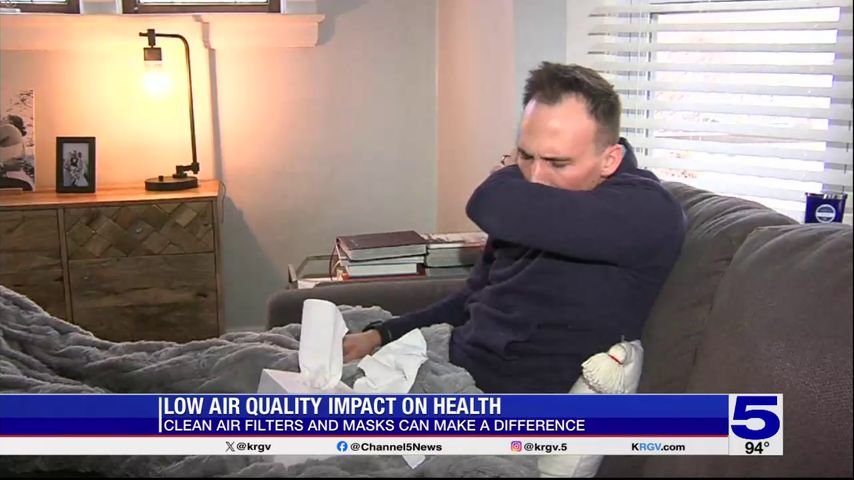
According to Hidalgo County Health Authority, Dr. Ivan Melendez, anyone can experience respiratory issues during periods of poor air quality, with symptoms such as congestion becoming more common. The best recommendation in such situations is to limit outdoor exposure whenever possible.
Dr. Melendez advises taking preventive measures to protect your health:
- Stay Indoors: Reducing time outdoors can help mitigate the effects of air pollution.
- Use Clean Air Filters: Regularly replace air filters in your air conditioning units to ensure cleaner indoor air.
- Avoid Smoking or Vaping: These activities can exacerbate respiratory issues.
- Wear Masks Outside: If you must be outdoors, consider wearing a mask to shield yourself from pollutants.
Recognizing Symptoms and Seeking Help
For those in high-risk populations, it’s crucial to be vigilant about health symptoms. Early detection can be life-saving, especially for individuals dependent on caregivers. Dr. Melendez emphasizes the importance of recognizing respiratory difficulties:
"Be cognizant of the respiratory drive your family member is having… that’s a time to check with your doctor."
For mild symptoms such as a scratchy throat or cough, over-the-counter medications may offer relief. However, if you encounter more severe symptoms like shortness of breath, chest pain, or difficulty speaking in full sentences, immediate medical attention is essential.
Indoor Air Quality Matters
The air quality inside your home can be just as significant as the air outside. Colair Consultant Noah Gonzalez highlights that outside air intrudes into homes, particularly along with open doors. This can lead to an accumulation of bacteria, dust, and mold, negatively affecting respiratory health. Symptoms can include coughing and worsened allergies, particularly in individuals with preexisting conditions.
Protecting Yourself Indoors
Improving indoor air quality is vital for everyone, especially at-risk individuals. Here are some actionable steps:
- Change Air Filters Regularly: Aim to change filters every one to three months.
- Routine A/C Maintenance: Schedule biannual check-ups for your HVAC system to enhance performance and air quality.
- Utilize Air Purifiers: If available, air purifiers can assist in reducing indoor pollutants.
- Seal Your Home: On days with poor air quality, keep windows and doors closed to prevent outside air from entering.
- Set Your A/C to Recirculate: This setting helps maintain cleaner air indoors by limiting the intake of outdoor air.
Furthermore, using saline nasal sprays may help flush out irritants. After being outdoors, consider showering to remove allergens from your skin and hair.
Stay Informed About Air Quality Levels
As the First Warn 5 Weather Team warns, air quality levels are expected to be elevated on Friday morning. Staying informed can help you take necessary precautions.
For more comprehensive tips on maintaining respiratory health and understanding air quality impacts, consider visiting the Environmental Protection Agency or the American Lung Association.
Taking proactive measures for both outdoor and indoor air quality can significantly improve your health and well-being. Understanding the risks and being prepared equips you to tackle air quality challenges effectively. Stay safe and prioritize your respiratory health!
