


Japan’s Strategic Snap Election: Takaichi’s Bid for Power and Policy
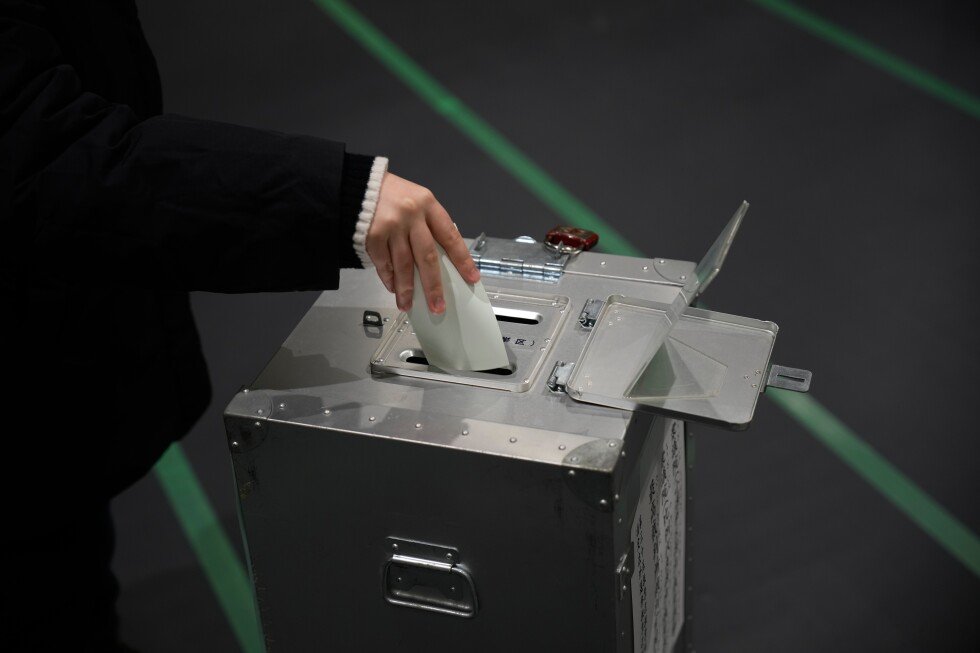
As the snow blanketed Tokyo this Sunday, polls opened for a pivotal parliamentary election that could shape the future of Japanese politics. Prime Minister Sanae Takaichi, renowned for her popularity, is looking to secure a significant victory for her party, the Liberal Democratic Party (LDP), amidst challenges including recent scandals and funding issues. This snap election comes just three months into her tenure, as Takaichi seeks to solidify her standing and advance a bold conservative agenda.
A Leader with Ambitions
Assuming office in October as Japan’s first female Prime Minister, Takaichi has not shied away from ambitious promises. Her commitment to “work, work, work” embodies her proactive approach to governance, appealing particularly to younger voters who resonate with her mix of playfulness and decisiveness. Recent polling suggests a landslide victory is within reach for the LDP, despite a fragmented opposition that has struggled to unify.
Takaichi’s coalition with the Japan Innovation Party (JIP) aims to secure a majority in the 465-seat lower house—the more powerful chamber of Japan’s bicameral parliament. Current forecasts indicate that while the LDP may achieve a simple majority, the coalition could potentially secure up to 300 seats, a significant rise from their previous thin majority following a setback in 2024.
Right-Wing Policies on the Horizon
Should Takaichi’s coalition triumph, a drastic shift to the right in Japan’s policy landscape is expected. Her administration intends to aggressively pursue right-leaning policies concerning security, immigration, and economic growth. Among these potential changes is Takaichi’s plan to revise security and defense policies by December, which could enable Japan to bolster its military capabilities and move away from postwar pacifist principles.
Takaichi’s push for increased defense spending, alongside commitments to lift limitations on weapons exports, reflects the growing concern of regional tensions, particularly with China and rising nationalistic sentiments within Japan. By aligning with far-right partners like the JIP, she aims to facilitate what party leader Hirofumi Yoshimura calls an “accelerator” for Japan’s ambitious policy framework.
Addressing National Challenges
While Takaichi openly seeks a mandate for her proposed "nation-splitting policies," critics have noted her avoidance of crucial issues. Funding the proposed military expenditure and managing tense diplomatic relations with China remain looming questions. Her campaign rhetoric emphasizes “proactive” government spending targeting economic security and technological advancements while planning stricter regulations on immigration and foreign property ownership.
This early election after just three months in office highlights a troubling trend in Japanese politics where the emphasis on political survival often undermines the pursuit of substantive policy change. Political experts have warned that the government’s focus on upcoming elections can delay necessary but potentially unpopular reforms.
Weather Woes and Voter Sentiments
Despite the optimism, uncertainties surround this election, particularly due to adverse weather conditions that may impact voter turnout. Record snowfall across Japan in the weeks preceding the election has already disrupted travel, prompting concerns about accessibility to polling stations.
Moreover, how younger voters will respond remains a mystery during these challenging conditions; historically, this demographic has exhibited low turnout rates. Voters like Kazuki Ishihara, who supported the LDP out of hope for Takaichi’s refreshingly new approach, and Yoshinori Tamada, who emphasized financial security as his primary concern, reflect the diverse concerns of the electorate.
Concluding Thoughts
The stakes are high for Sanae Takaichi in this parliamentary election. A decisive victory could pave the way for significant shifts in Japanese policy, moving the nation further along a right-wing trajectory that promises to reshape its economic and defense paradigms. As polling unfolds amidst powerful snowfall and rising national sentiments, the world will be watching closely to see how Takaichi’s ambitious vision plays out in the hearts of Japanese voters.
For more insights into Japan’s political landscape and ongoing developments, visit AP News for updates.
