


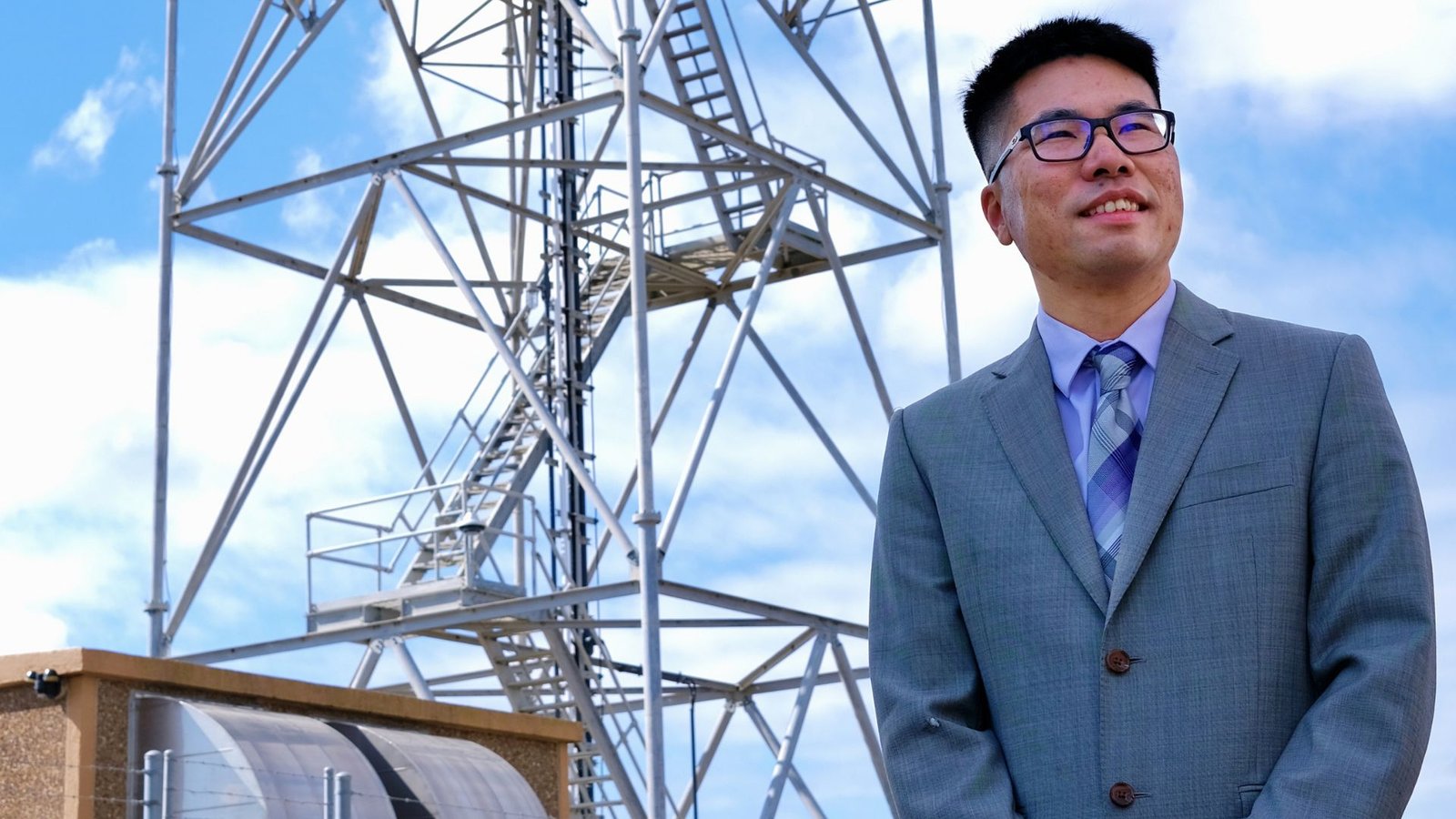
Meteorologist Rodney Chai: Navigating the Climate Shift in Brownsville, Texas
The Journey from the Northeast to the Rio Grande Valley
Rodney Chai, now the Meteorologist-in-Charge at the National Weather Service (NWS) in Brownsville, Texas, has experienced a career journey that mirrors the dramatic climatic contrasts of the regions he has worked in. Transitioning from Burlington, Vermont, where he endured icy winters, to the sultry heat of the Rio Grande Valley, Chai’s move represents a monumental shift in both environment and professional responsibility. Arriving in Brownsville in August 2024, he quickly adapted to his new role as the NWS Science and Operations Officer before stepping into his current leadership position in January 2026.
Chai’s journey in meteorology began with a unique start as a climatologist in Monterey, California. His role involved providing climate support services to the U.S. Navy, which set the foundation for his subsequent positions in major NWS offices across the country. In Burlington, he honed his forecasting skills, eventually earning a promotion to lead meteorologist before undertaking his first management role in Brownsville.
Responsibilities as Meteorologist-in-Charge
As the Meteorologist-in-Charge, Chai’s responsibilities encompass a wide array of operations. His role entails ensuring that all essential systems—ranging from plumbing to payroll and radar operations—function seamlessly. Positioned between the Brownsville office and the regional headquarters in Fort Worth, Chai serves as a crucial link, reporting to the regional director and overseeing the operational stability of one of NWS’s 40 field offices.
He emphasizes the increasing importance of communication within the NWS, stating that it is not just a matter of predicting weather but also effectively communicating those predictions to encourage public safety. With modern advancements in computer modeling, the need for effective communication skills has never been more critical.
A Changing Paradigm in the National Weather Service
The National Weather Service is currently evolving, placing greater emphasis on communication rather than solely forecasting. The last five years have seen significant shifts towards a "new operational paradigm," which includes bolstering connections with emergency management partners. Chai cites incidents like the March flooding as examples where collaborative efforts between agencies were essential for effective public safety measures.
For those interested in the details of severe weather warnings, understanding how local and state officials disseminate these alerts is vital. The focus is on not just issuing warnings but ensuring they reach the people who need them most, especially during emergencies.
Upgrading Technology for Enhanced Safety
Chai asserts that the top priority at the NWS remains saving lives and property. To achieve this, technology upgrades are imperative. The transition from the long-standing Weather Surveillance Doppler Radar to the more advanced Phased-Array Radar will significantly enhance real-time weather tracking capabilities, delivering quicker updates and a clearer picture of rapidly changing weather conditions.
This investment in technology aligns with the NWS mission of increasing lead times for alerts, thereby giving people vital minutes to seek safety during natural disasters like flash floods or tornadoes. For more information on advancements in weather radar technology, you can refer to NOAA.
The Role of Advanced Software in Meteorology
On the software side, the implementation of the Advanced Weather Interactive Processing System (AWIPS) has already transformed data management. This system integrates meteorological and hydrological data with satellite and radar imagery, creating a robust framework for understanding and predicting weather patterns. The NWS describes AWIPS as a cornerstone of modernization, enhancing the ability of forecasters to deliver timely and accurate weather information.
Chai advocates that we are at an "inflection point" in meteorology, predicting accelerated transformations over the next few years that will elevate the effectiveness of weather forecasting and emergency management.
Finding Balance in a New Environment
Despite his professional adaptation, Chai also acknowledges the personal adjustments he has made in acclimating to the Texas climate and culture. His fondness for the friendly locals, slower pace of life, and the beautiful South Padre Island speaks to his positive experience in the Rio Grande Valley.
The climate may be different, but Chai’s commitment to his role in safeguarding lives through accurate weather forecasting and effective communication remains steadfast. His journey illustrates not only the personal transformation of a dedicated meteorologist but also highlights the NWS’s broader mission as it navigates the complexities of modern challenges in weather management.
Conclusion
Rodney Chai’s story showcases the dynamic nature of meteorology and the vital role it plays in public safety. As he continues to lead the National Weather Service in Brownsville, his focus on technology, communication, and collaboration will be instrumental in adapting to the challenges posed by our ever-changing climate.
For more insights into the NWS’s operational updates and initiatives, visit their official site at NWS.gov.
