


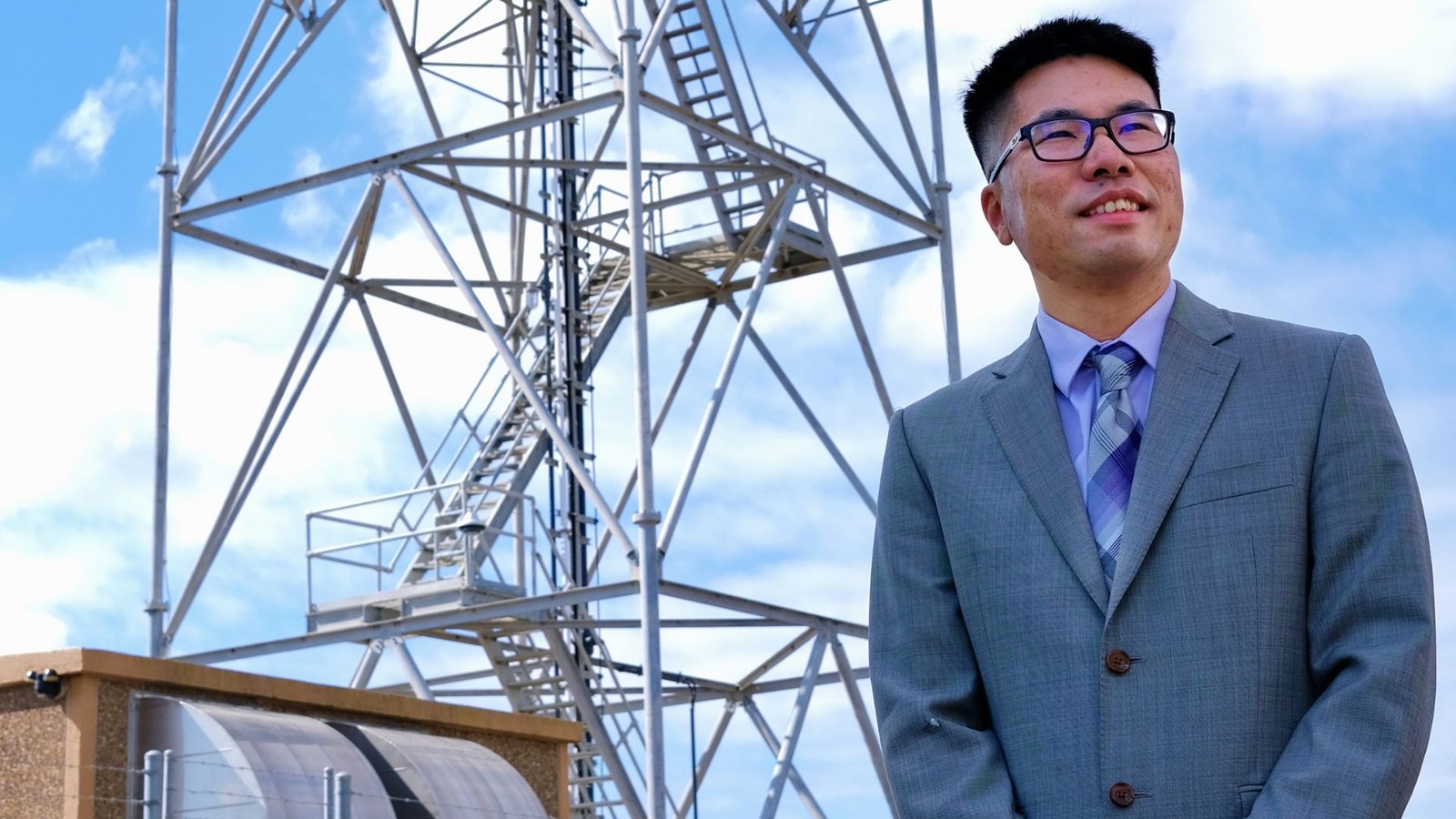
Rodney Chai: A Transformative Role in Weather Forecasting at the National Weather Service
Introduction to Rodney Chai’s Journey
Rodney Chai’s recent appointment as the meteorologist-in-charge (MIC) of the National Weather Service (NWS) field office in Brownsville, Texas, marks a significant chapter in his evolving career. Having transitioned from the northern climates of Burlington, Vermont, to the warmer conditions of the Rio Grande Valley, Chai embodies the adaptability required in the dynamic field of meteorology.
A Change in Climates: From Vermont to Texas
Chai’s journey began over 3,000 miles away from the southern tip of Texas, where cold winters characterized his early days at the NWS office in Burlington. Motivated by a passion for weather that began during a memorable snowstorm in Philadelphia, Chai cultivated his skills as a climatologist while serving in the Navy. His experience in computer programming laid a solid foundation for his future roles in forecasting with the NWS.
In December 2022, he advanced to lead meteorologist in Burlington. By August 2024, Chai made another significant career leap, taking on the role of science and operations officer in Brownsville. His ability to manage complex tasks and coordinate resources led to his promotion as MIC in January 2026.
Responsibilities of a Meteorologist-in-Charge
In fulfilling his role as MIC, Chai has numerous responsibilities beyond issuing forecasts. He oversees essential operations, ensuring that facilities, radar systems, and automated observation sites are functioning optimally. Acting as a liaison between the local office and the regional headquarters in Fort Worth, he plays a pivotal role in maintaining effective communication within the NWS’s broad network of approximately 40 field offices.
Emphasizing Communication in Modern Meteorology
As the NWS evolves, the emphasis has shifted from solely forecasting to effective communication of weather information. Chai noted how recent advances in computer modeling have reduced the value that a meteorologist can add by spending hours determining short-term forecasts. The sophisticated models handle much of this analysis, pushing meteorologists to focus on delivering clear, actionable messages to the public.
According to Chai, “It’s not just your math and science background, but how you are able to communicate and get the message across.” This perspective reflects the growing recognition of communication as a vital skill set in weather forecasting.
Collaborating for Safety: Local Partnerships
Chai highlights the importance of partnerships in effective emergency management. During incidents like the significant flooding experienced in March, collaboration with local authorities, such as the Texas Department of Public Safety and county emergency management teams, becomes crucial. By working directly alongside these partners, the NWS can efficiently disseminate vital warnings and guidance, ensuring public safety during severe weather events.
Advanced Technology Enhancements for Better Forecasting
The NWS continues to upgrade its technological capabilities, aiming to improve the accuracy and timeliness of its forecasts. One major upgrade includes the transition from the aging Weather Surveillance Doppler Radar to the more advanced Phased-Array Radar. This new system promises faster updates and precise weather condition snapshots, which can be life-saving during critical events.
Through these upgrades, Chai reaffirmed the NWS’s commitment to its core mission of saving lives and property. By enhancing lead times for severe weather alerts, such as tornadoes or flash floods, the NWS aims to give the public crucial moments to seek shelter.
Groundbreaking Software Systems
In addition to hardware upgrades, the NWS has integrated the Advanced Weather Interactive Processing System (AWIPS)—a state-of-the-art interactive computer system that consolidates meteorological data with radar and satellite imagery. Chai describes this period as an "inflection point," with transformative advancements in technology expected in upcoming years.
Settling into the Rio Grande Valley
Adjusting to the climate of the Rio Grande Valley has presented its own challenges for Chai, who now enjoys the friendly, slower-paced culture of South Texas. From the beautiful beaches of South Padre Island to the welcoming local community, Chai expresses appreciation for the warm environment both physically and socially.
Conclusion
Rodney Chai’s journey from the snow-laden landscapes of Vermont to the sun-drenched deserts of Texas highlights the diverse facets of a career in meteorology. With his leadership at the NWS in Brownsville, the future of weather forecasting promises to be both innovative and community-focused. By emphasizing the roles of technology and communication, Chai exemplifies how meteorological practices are evolving to meet contemporary needs, ensuring that safety remains at the forefront of public service.
For more information about the National Weather Service’s pivotal role in disaster preparedness and response, visit the official NWS website.
