


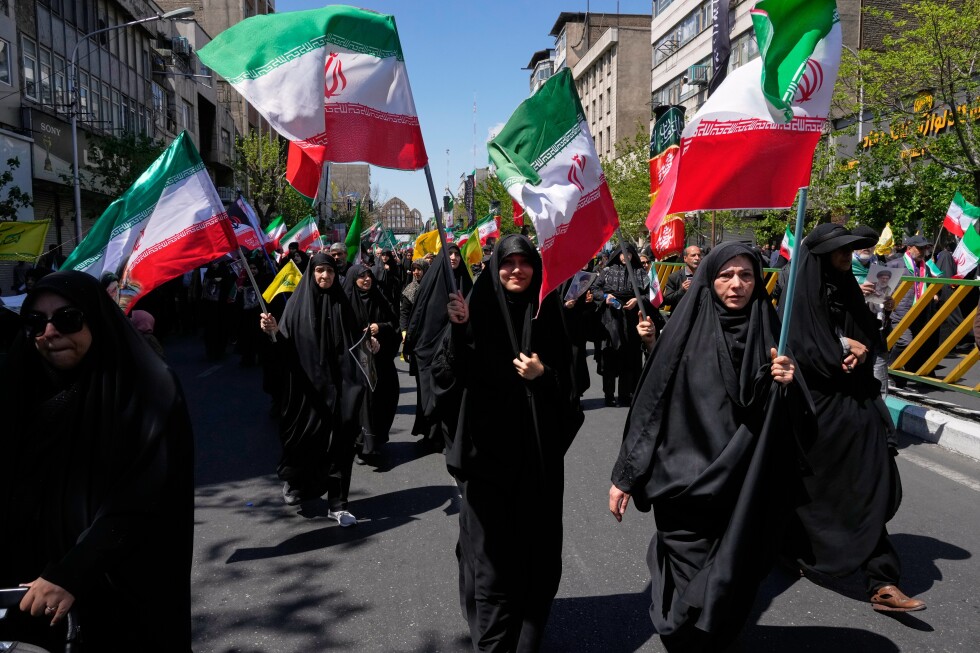
Tensions Escalate: Ceasefire in Iran War on the Brink of Collapse
Introduction
As efforts to implement a ceasefire in the Iran war hit significant obstacles, geopolitical tensions have soared. Israel’s sustained bombardment of Beirut, Iran’s strategic control of the Strait of Hormuz, and ongoing negotiations demonstrate a volatile landscape fraught with uncertainty. This article delves into the implications of these developments and the broader geopolitical ramifications.
Israeli Strikes Intensify
Days after a tentative ceasefire was announced, Israel launched a series of airstrikes in Beirut on Wednesday, marking the deadliest day in Lebanon amid this ongoing conflict. According to Lebanon’s health ministry, at least 203 people lost their lives and over 1,000 were injured as Israel intensified its assault targeting Hezbollah, the Iran-backed militant group involved in the conflict.
The strikes raised immediate concerns about whether the ceasefire could hold. While Iran maintains that the ceasefire includes a halt to hostilities in Lebanon, Israeli Prime Minister Benjamin Netanyahu and U.S. officials insist that it does not.
Responses from Iran
Iran’s parliamentary speaker, Mohammad Bagher Qalibaf, issued a stern warning, stating that further Israeli aggression would carry “explicit costs and STRONG responses.” He emphasized the need for Israel to cease its attacks immediately. Meanwhile, Netanyahu affirmed Israel’s commitment to striking Hezbollah "with force, precision, and determination," further exacerbating tensions.
Strategic Implications
A think tank based in New York expressed grave concerns, noting that the ceasefire “hovers on the verge of collapse.” Such military action could be seen as an Israeli attempt to fracture the alliance between Iran and its regional proxies while signaling its exclusion from initial ceasefire discussions.
Strait of Hormuz: A Strategic Flashpoint
The Strait of Hormuz has become a crucial focal point, as Iran’s Revolutionary Guard reportedly laid sea mines in this vital waterway. Approximately 20% of the world’s oil passes through this strait, underscoring its strategic importance. The ongoing conflict has prompted severe caution among shipping entities, resulting in only a trickle of vessels navigating through the strait since hostilities erupted.
An Iranian deputy foreign minister stated that the country would permit ships to traverse through the strait, but only if the U.S. ends its "aggression" and Israel stops its attacks on Lebanon. The UAE’s major oil company head indicated that hundreds of oil-laden ships are currently waiting to navigate through this vital corridor.
Uncertain Oil Prices
The closure of the Strait of Hormuz has led to skyrocketing oil prices, affecting global markets and raising costs for basic goods. Although oil prices initially fell after the ceasefire announcement, they quickly rebounded as uncertainty surrounding the agreement grew. As of Thursday, the spot price of Brent crude had increased by approximately 35% since the onset of the conflict.
Prospects for Peace Talks in Pakistan
This weekend, U.S. and Iranian diplomats are set to engage in crucial discussions in Islamabad, with Vice President JD Vance leading the American delegation. Significant disagreements remain regarding various issues, including Iran’s ability to impose charges on vessels using the strait—a move that would challenge existing international norms.
Moreover, the fate of Iran’s nuclear and missile programs remains a central topic of contention. The U.S. insists on the elimination of Iran’s enriched uranium stockpile, which could be weaponized if pursued, while Iran maintains that its program serves peaceful purposes.
Nuclear Enrichment and Diplomacy
Iran’s chief of the Atomic Energy Organization emphasized that protecting the nation’s right to enrich uranium is essential for any ceasefire negotiations. The U.S. has indicated it might work with Iran to remove illicit uranium, but both sides are yet to fully align on terms.
Conclusion
The situation surrounding the ceasefire in the Iran war remains precarious. Continued military actions, strategic maneuvers in the Strait of Hormuz, and looming diplomatic discussions underscore the complexities of achieving stability in the region. As both sides prepare for negotiations, the stakes are elevated, leaving the international community closely monitoring developments.
For continuous updates on the situation and its implications on global politics, stay tuned to credible news sources.
