


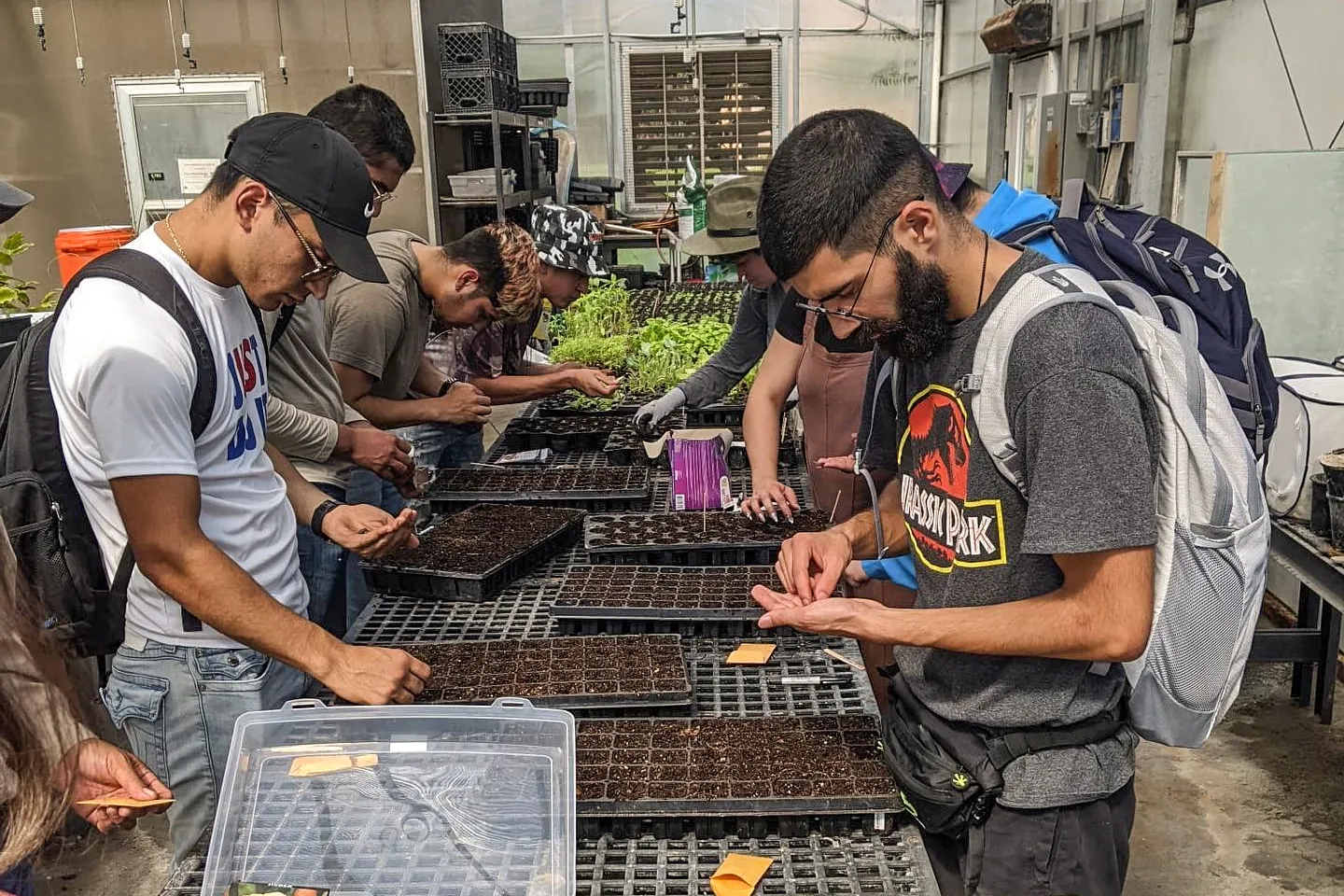
Reimagining Food Justice in the Rio Grande Valley
In the heart of the Rio Grande Valley (RGV), a transformative initiative is underway. Leading farmers, educators, and community advocates are collaborating to establish a food system rooted in justice instead of scarcity. Despite the region’s agricultural abundance, a paradoxical reality exists: while the RGV is one of the most productive farming areas globally, many residents struggle to access fresh, nutritious food.
The Agricultural Landscape of the RGV
Renowned for its mineral-rich soils, the Rio Grande Valley benefits from alluvial deposits that create optimal growing conditions throughout the year. This region is famous for unique crops, particularly citrus fruits and onions. In fact, the RGV supplies 70% of Texas’s produce, exporting significantly to both national and international markets, including Mexico and Canada. The area cultivates over 40 major crops, appealing to diverse culinary traditions and contributing substantially to local and national economies.
Food Deserts and Health Disparities
Despite this agricultural richness, many communities in the RGV face alarming rates of food insecurity and diet-related ailments. Over 50% of neighborhoods in the area are classified as food deserts, where residents have limited access to affordable and healthy food options. The child food insecurity rate in the region stands at 26%, juxtaposed with the national average of 18%. This significant gap highlights the challenge of providing adequate nutrition to families who grow the region’s food.
Dr. Alexis Racelis, director of the University of Texas-Rio Grande Valley’s Agroecology and Resilient Food Systems program, emphasizes the disparity between the RGV’s food production capabilities and the food accessibility challenges faced by local families. He describes the local food system as one of the most disconnected in the nation, where a significant amount of calories produced is inaccessible to those living right where they are grown.
Building a Community-Centric Food System
Recognizing this crisis, Racelis has mobilized a working group comprised of farmers, public health experts, students, and advocates. Together, they aim to construct a more equitable and resilient food system in the Rio Grande Valley. Regular meetings focus on understanding the journey food takes from farms to family tables and how each step influences health, labor conditions, and environmental sustainability.
Advocating for Food Sovereignty
The founders of this initiative, including Hernán Colmenero, founder of the Institute for Ecology Scholarship and Health, advocate for a movement toward food sovereignty and regenerative agriculture. They acknowledge the unique challenges faced by border communities, necessitating localized solutions that reflect the complex socio-economic landscape of the RGV.
Their efforts draw inspiration from historical movements for agricultural justice, including the notable 1966 farm workers’ strike that aimed for better conditions and wages. These labor movements are not merely historical footnotes but serve as foundational contexts for current advocacy aimed at ensuring that the labor force, which feeds millions, receives the respect and dignity it deserves.
A Collaborative Vision for Change
The working group has produced a comprehensive vision document outlining strategies for meaningful change. Key recommendations include:
- Cultivating youth leadership
- Ensuring labor protections
- Empowering small producers
- Enhancing ecological stewardship
- Making sustainable food culturally and economically accessible
Implementing Change Through Local Partnerships
At the annual Rio Grande Valley Food Summit, participants share innovative initiatives aimed at supporting local agriculture. Examples include:
- Establishing shared-use kitchens and cold storage for small producers
- Connecting schools with local farms to provide fresh produce in educational settings
- Creating roles for "community champions" to guide residents in accessing resources
These collaborations embody the goal of developing a locally controlled food system that nourishes the community on its terms while redirecting the benefits toward historically marginalized neighborhoods.
Empowering Local Change Agents
Racelis underscores the importance of local agency, asserting that solving community challenges requires grassroots action rather than waiting for external solutions. The power of the people lies in their ability to organize and effect change whereby they create a sustainable food system that truly reflects their needs.
The 2026 Rio Grande Valley Food Summit is set for April 22-23 in Edinburg, Texas, and promises to further advance this vision of a self-sufficient food landscape.
In conclusion, transforming the food system in the Rio Grande Valley is not just an agricultural endeavor; it’s a mission rooted in justice, community empowerment, and a commitment to ensuring that every neighbor has access to the food they deserve. By harnessing local resources and knowledge, residents can build a brighter and healthier future—one seed, one garden, and one kitchen at a time.
For additional resources and insights on food and health in the Rio Grande Valley, explore articles on community health initiatives and sustainable agriculture.
