


Legal Challenge to Rio Grande LNG Project Highlights Environmental Justice Concerns
Introduction
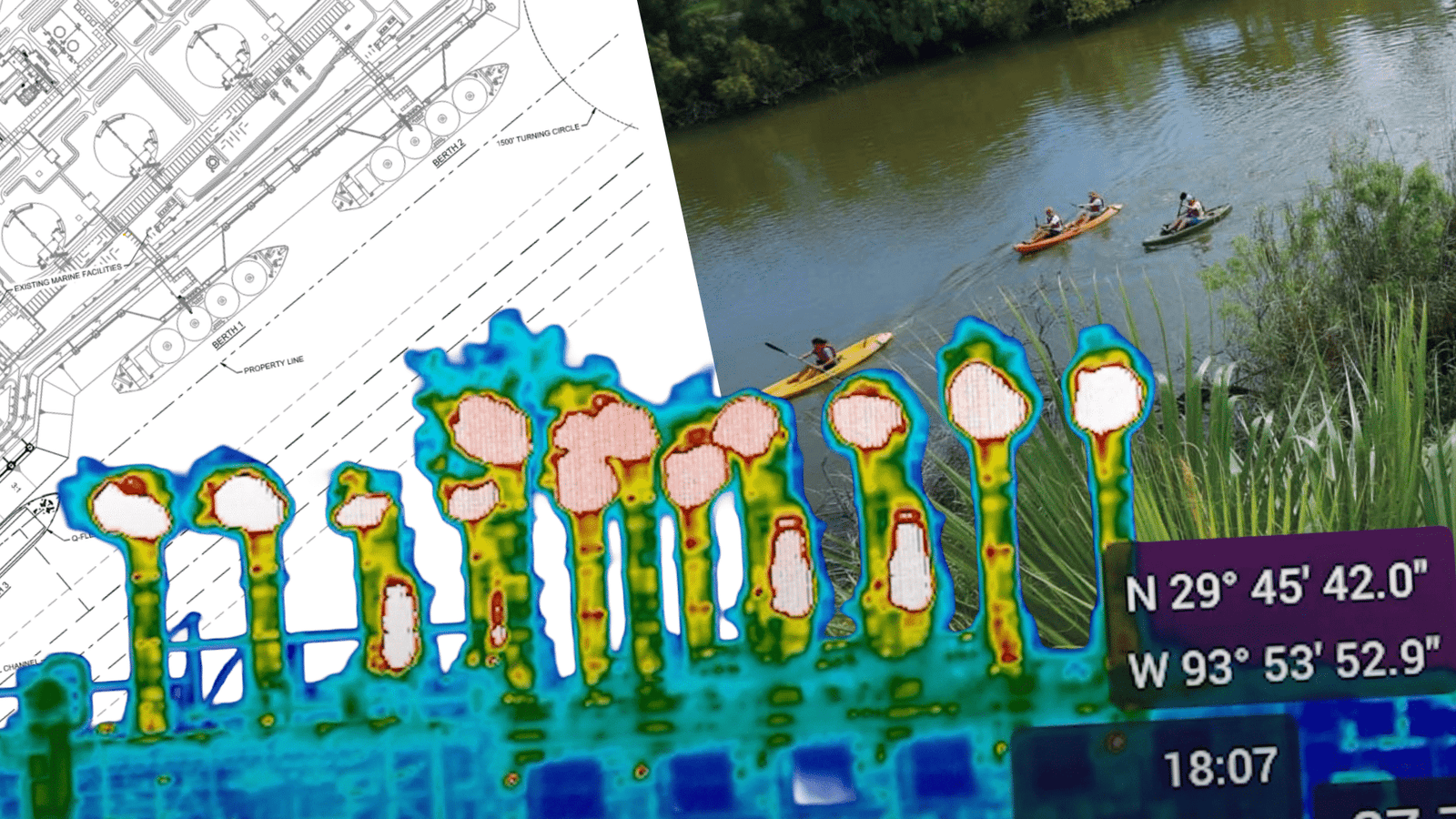
The Rio Grande LNG project, situated near Port Isabel and Brownsville, Texas, has come under legal scrutiny once again. Recent developments reveal that federal regulators are not adequately addressing potential air pollution and its impact on public health, leading to a lawsuit by various environmental groups.
Background on the Lawsuit
In early October, Earthjustice, the Sierra Club, the City of Port Isabel, and the South Texas Environmental Justice Network filed a lawsuit against the Federal Energy Regulatory Commission (FERC) for approving the controversial Rio Grande LNG project. This lawsuit marks the third time that FERC has attempted to green-light the facility, despite previous court rulings deeming their environmental assessments inadequate.
Community Impact and Environmental Concerns
The Laguna Madre region, which has thus far avoided the pollution associated with liquefied natural gas (LNG) facilities, stands at a critical juncture. Many operating LNG plants across the Gulf Coast have not only violated the Clean Air Act but some have also breached the Clean Water Act, releasing harmful emissions that remain unseen. The local community, predominantly consisting of lower-income populations and people of color, is particularly vulnerable to these pollutants.
The lawsuit emphasizes that FERC has repeatedly failed to investigate the environmental consequences of the Rio Grande LNG project on nearby communities, a claim echoed in past litigation and reaffirmed by the court’s earlier findings.
FERC’s Approval Process Under Scrutiny
Despite being mandated by the D.C. Circuit Court to conduct a thorough environmental review, FERC has approved the Rio Grande LNG project yet again. Nathan Matthews, a senior attorney at Earthjustice, stated that FERC has not addressed the issues raised during the earlier court proceedings. These concerns include inadequate analysis of how the facility’s emissions would affect regional air quality and the ongoing discussions about the project’s alleged carbon capture system.
Ongoing Economic Considerations
FERC argues that the project’s economic benefits outweigh its negative impacts, such as increases in local air pollution and minor disruptions to wildlife habitats. However, critics point out that this perspective neglects the long-term health impacts on surrounding communities, particularly those that are already facing socioeconomic challenges.
Shifts in Environmental Policy
In an interesting turn of events, FERC has claimed that it is no longer required to consider the potential harm the Rio Grande LNG project could inflict on low-income communities. This assertion is reportedly influenced by executive orders from the previous administration aimed at bolstering the oil and gas industry, raising questions about environmental justice and public health protections.
The Legal Landscape
The latest legal challenge not only involves the LNG facility but also includes the Rio Bravo Pipeline, which intersects land owned by the Carrizo/Comecrudo Tribe of Texas. Tribal Chairman Juan Mancias has criticized FERC for not conducting adequate environmental reviews or consultations with the Tribe, emphasizing the disregard for tribal land rights and environmental health.
Broader Implications for LNG Projects
The controversy surrounding the Rio Grande LNG project is part of a larger narrative involving LNG facilities across the U.S. Gulf Coast. Similar issues have arisen with other projects, such as Commonwealth LNG in Hackberry, Louisiana, where local courts have revoked permits due to insufficient consideration of environmental justice impacts. Nonetheless, state authorities continue to issue permits, citing economic advantages over community costs.
NextDecade, the managing company of the Rio Grande project, anticipates shipping its first gas cargoes by 2027, yet local traffic and community disturbances have already been reported. Concerns regarding safety on local highways further aggravate the situation.
Community Voices and Resistance
The City of Port Isabel has been a vocal opponent of LNG developments. Over the years, it has passed resolutions against project advancements, asserting that the health of its residents must take precedence over industrial expansion.
City Manager Jared Hockema, who has served as an advocate for environmental safety, reflects on the importance of these ongoing efforts, noting that they have protected the community’s well-being for generations. Hockema states, “That’s a generation of kids that grew up without air pollution because of those efforts. And that’s certainly worthwhile.”
Conclusion
The legal challenges facing the Rio Grande LNG project underscore critical issues of environmental justice and community health. As the scenario unfolds, it serves as a reminder that securing public health and safeguarding the environment often requires relentless advocacy and vigilance against industrial expansion. The outcome of this saga could set important precedents for how environmental impact assessments are conducted in marginalized communities across the nation.
For more in-depth information on environmental justice initiatives and legal developments regarding LNG projects, consult resources from Earthjustice and the Sierra Club.
