


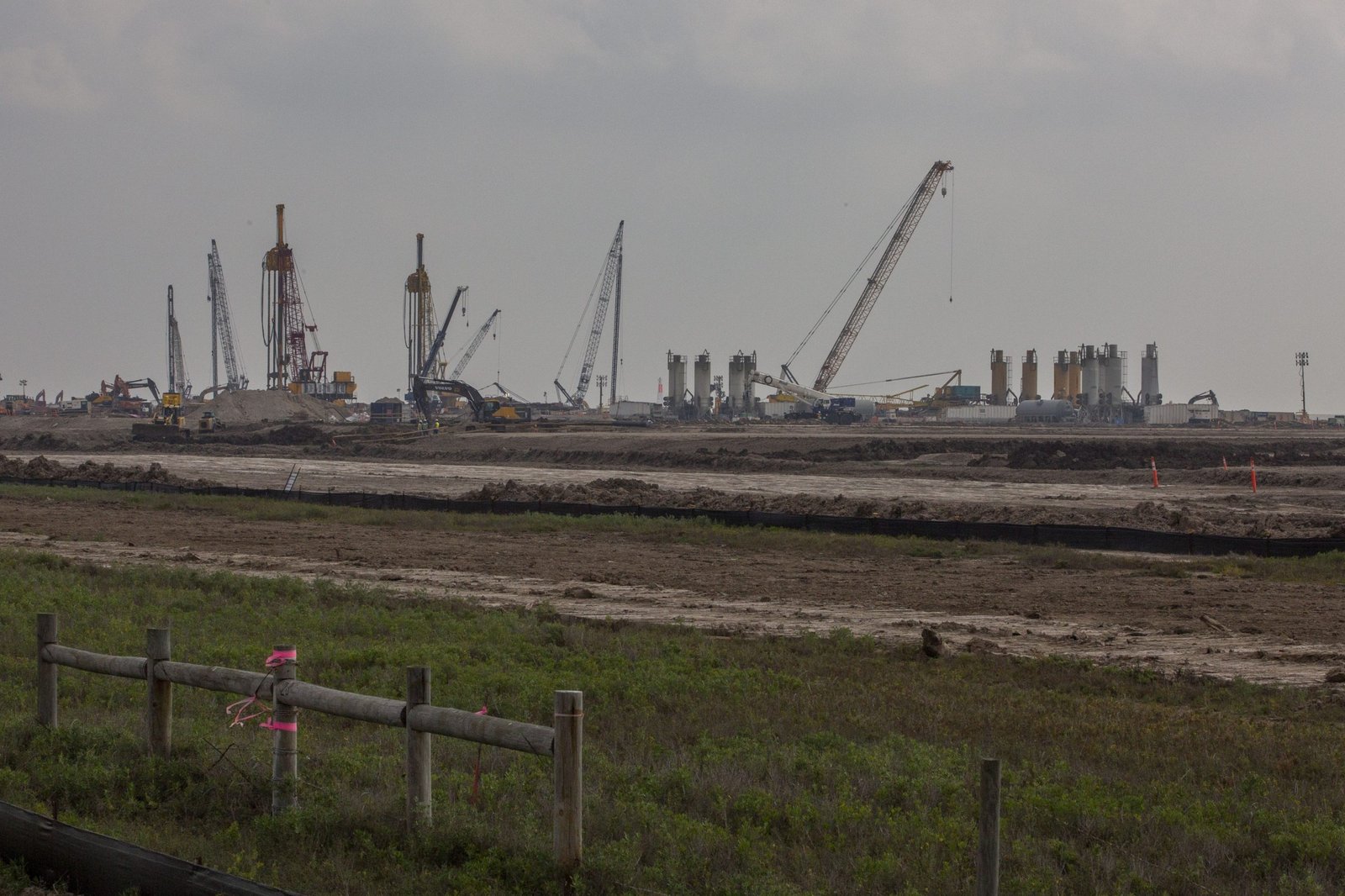
Federal Court Ruling Halts Multi-Billion Dollar Gas Export Projects in South Texas
A recent ruling from the U.S. Court of Appeals in Washington has put a significant halt to two major liquefied natural gas (LNG) export projects in far South Texas, marking a pivotal moment in the ongoing controversy surrounding energy regulation and environmental justice. The projects, Rio Grande LNG and Texas LNG, have been facing legal challenges since 2021, primarily due to their potential environmental impact.
Background on the Gas Export Projects
Rio Grande LNG, developed by NextDecade, and Texas LNG aim to convert Texas shale gas into liquefied natural gas for export overseas. Together, they represent a multi-billion-dollar investment and indicate a continuing boom in gas export projects along the Gulf Coast of Texas and Louisiana. Each facility encompasses hundreds of acres and is designed to transport millions of tons of LNG annually on tanker ships.
Legal Challenges from Local Communities
The crux of the ongoing legal struggle stems from concerns about environmental justice and the potential impact on local ecosystems. A coalition of South Texas cities, local water districts, and indigenous communities, including the Carrizo/Comecrudo Tribe of Texas, filed lawsuits to block these projects. They argue that the proposed sites are situated near national wildlife refuges and atop delicate wetlands, raising substantial environmental concerns.
The Court’s Decision
The recent decision, delivered on August 6, details a litany of procedural deficiencies committed by the Federal Energy Regulatory Commission (FERC) in the approval process for these projects. The court stressed the severity of these flaws, which included inadequate analyses regarding environmental justice and climate impacts, air pollution modeling, and procedural obligations. Consequently, the court has mandated that FERC must correct these deficiencies before reconsidering the projects.
Although the court’s ruling may disrupt ongoing construction, FERC and the developers now have 45 days to seek a re-hearing. This marks the second time the court has overturned FERC’s authorization — the first instance occurred in August 2021 when the court criticized FERC for its failure to adequately assess greenhouse gas emissions and environmental justice implications.
Local Reactions and Support
Despite significant opposition from local communities, the projects have garnered support from Cameron County officials and many local politicians. However, environmental advocates continue to voice concerns about the comprehensive environmental reviews and public engagement during the approval process.
Juan Mancias, chair of the Carrizo/Comecrudo Tribe, expressed his pride in the court’s ruling, emphasizing the importance of tribal involvement in decisions affecting their ancestral lands. He articulated that the ruling provides the tribe with a measure of agency regarding the ongoing environmental threats posed by the projects.
Implications for Natural Gas Export Industry
Industry representatives, however, expressed disappointment with the court’s decision. NextDecade reaffirmed its commitment to the Rio Grande LNG project, indicating ongoing construction on its initial liquefaction trains while reassessing the implications of the court’s ruling on future developments. Meanwhile, representatives for Texas LNG characterized the ruling as a necessary step to rectify procedural deficiencies and expressed optimism that FERC would address the matter in a timely manner.
In stark contrast, opinions from environmental advocacy groups highlight concerns about FERC’s reliance on industry assurances and its rushed decision-making processes in authorizing LNG projects. Tyson Slocum, energy program director at Public Citizen, warned that such a rushed approach often overlooks the potential risks and hazards posed to local communities.
Looking Ahead
As FERC navigates the complexities of the court’s directives, the future of these multi-billion dollar gas export projects hangs in the balance. With mounting pressure from environmental groups advocating for rigorous assessments and local advocacy pushing for transparency, the upcoming weeks will be pivotal in determining whether these projects can overcome the hurdles imposed by the recent ruling.
The ongoing dialogue surrounding natural gas exports underscores the tension between energy development and the safeguarding of environmental integrity. As discussions continue, stakeholders from all perspectives will be closely monitoring how FERC addresses these judicial challenges and the implications for future energy projects in Texas and beyond.
For more insights about ongoing energy issues and developments in Texas, consider following updates from reputable sources like the Texas Tribune and Inside Climate News for comprehensive coverage on environmental policies and their impacts.
