


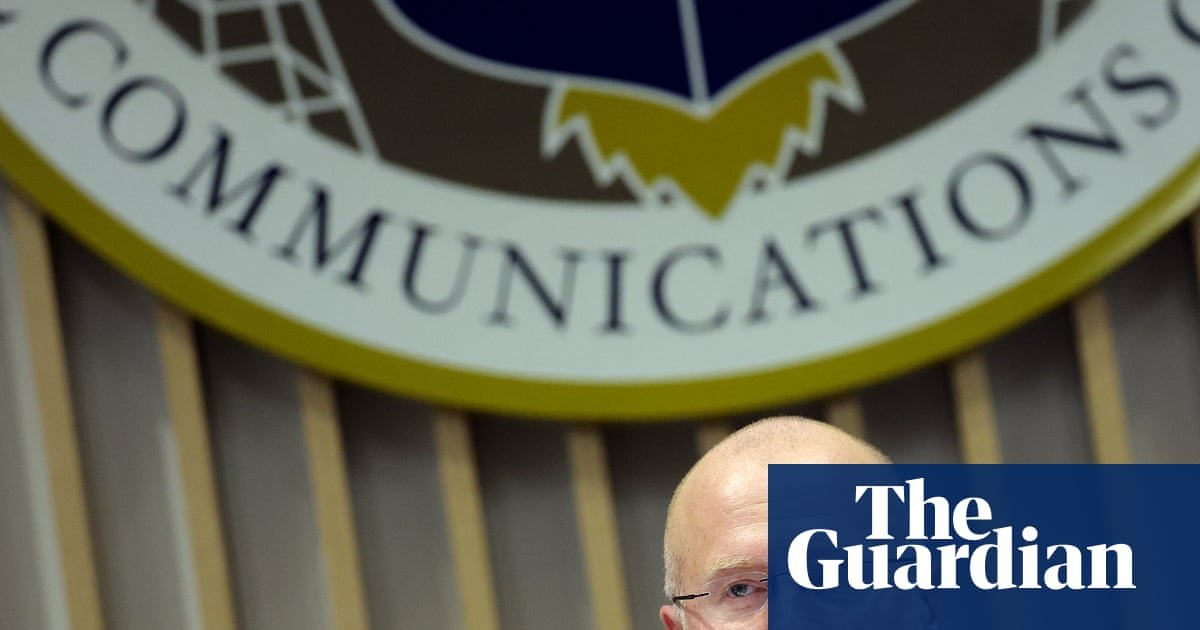
FCC Chair Warns Broadcasters on License Renewals Amid "Fake News" Allegations
In a striking move that echoes the ongoing tensions between the Trump administration and the media, the Federal Communications Commission (FCC) Chair Brendan Carr recently issued a cautionary message to broadcasters who he claimed propagate "hoaxes and news distortions." This warning, conveyed through social media, suggests that failing to adhere to public interest guidelines could jeopardize broadcasters’ spectrum permits.
FCC’s Authority Over Airwaves
The FCC, established under the Communications Act of 1934, holds significant authority over the electromagnetic spectrum—commonly referred to as the airwaves. This includes regulating both commercial and non-commercial radio and television broadcasts, as well as mobile wireless services, satellites, and various others under its jurisdiction. With this power, the FCC ensures that broadcasters serve the public effectively and responsibly.
Trump’s Criticism of Mainstream Media
Carr’s remarks come in the wake of persistent grievances voiced by President Trump and other administration members about their portrayal by mainstream media outlets. They argue that certain reporting has been unflattering or misleading, particularly concerning critical international issues, such as the recent conflicts in Iran. In a recent Truth Social post, Trump specifically targeted the coverage from outlets like the New York Times and the Wall Street Journal, accusing them of wanting U.S. forces to fail in military operations and calling their reporting misleading.
Media’s Handling of Current Events
In response to the portrayal of U.S. operations in the Middle East, Trump’s defense secretary, Pete Hegseth, criticized the media’s coverage, terming it as inflammatory and "fake news." He lamented headlines that present a dire narrative surrounding U.S.-Israeli actions against Iran. Hegseth urged for a more constructive reporting style, suggesting alternative headlines that frame the situation in a less negative light. His comments further emphasized the growing discomfort within the administration regarding how pivotal international events are reported.
Ownership Changes Spark Concerns
In light of the changing landscape of media ownership, comments were made regarding the acquisition of CNN by Paramount’s Skydance, owned by billionaires Larry and David Ellison. Hegseth articulated his belief that such ownership changes may lead to a better editorial direction for the network, amidst rising staff anxieties about potential implications for journalistic independence. David Ellison previously expressed commitment to safeguarding editorial integrity at CNN, underscoring the importance of maintaining trust with the audience.
Trust Issues in Legacy Media
Carr also highlighted a growing distrust in traditional media, citing alarming data showing that trust levels in legacy media have fallen to an all-time low of just 9%. The trend raises significant concerns about the future of journalism, and Carr’s comments underscore the notion that the spectrum—a public resource—should be leveraged to improve this situation. He pointed out that public trust has eroded, and there is a pressing need to restore credibility within the news industry.
Election Reporting and Public Confidence
The FCC chair referred to the media’s performance in covering political events, particularly the 2024 election, where there was a wide expectation of a Democratic win, despite Trump securing a plurality of the popular vote. Carr stated, “When a political candidate is able to win a landslide election victory in the face of hoaxes and distortions, there is something very wrong,” which illustrates a growing disconnect between media narratives and public sentiment.
Conclusion: Future Implications for Broadcasting
As the regulatory landscape evolves and tensions between government and media continue to mount, broadcasters are urged to reflect on their practices as license renewal periods approach. The consequences of maintaining a disconnect with the public can lead to significant ramifications, including the loss of broadcasting licenses. The FCC’s commitment to ensuring that the airwaves serve the public good could potentially set the stage for transformative changes in journalism as it grapples with its role in a rapidly shifting political environment.
For more insights into media regulation and its impact on journalism, explore the FCC’s official site and stay updated on how evolving dynamics may shape the future of broadcasting in America.
This article aims to encapsulate the intricate relationship between the media, government scrutiny, and public trust, providing a comprehensive overview of current trends and future implications.
