


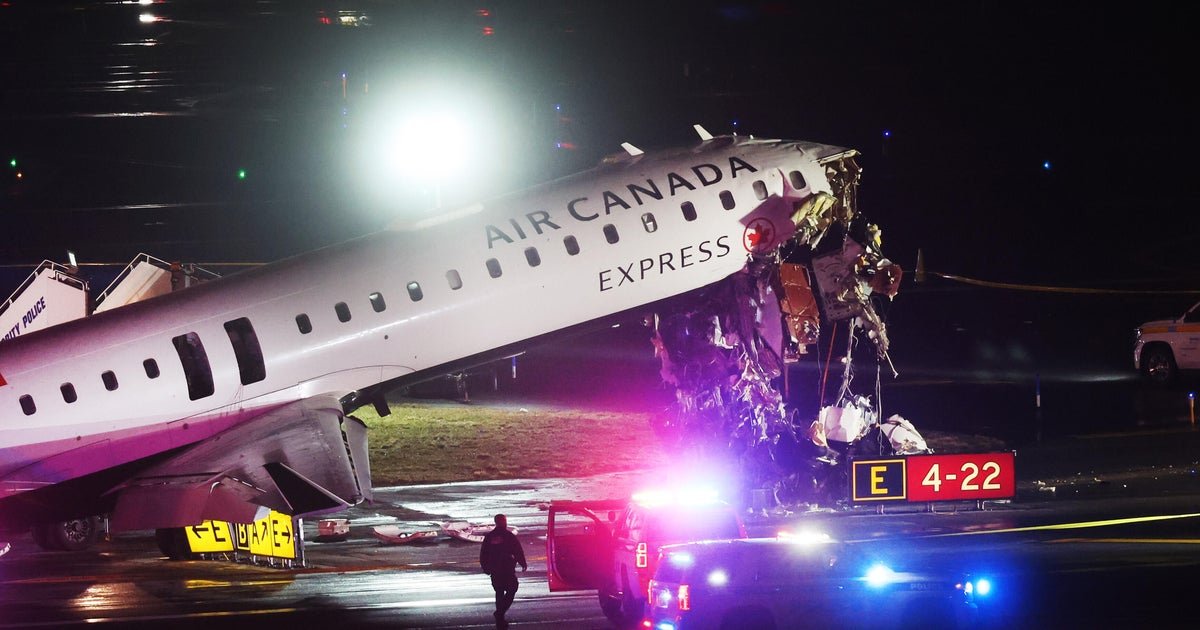
Fatal Collision at LaGuardia Airport: Air Canada Express Plane and Fire Truck Involved
Overview of the Incident
Late Sunday night at LaGuardia Airport in New York, a tragic accident occurred resulting in the deaths of two pilots and injuries to numerous individuals. An Air Canada Express flight, arriving from Montreal, collided with a Port Authority fire-and-rescue vehicle on the runway in a shocking turn of events that has left officials and the public in disbelief.
Details of the Collision
The accident unfolded when Air Canada Flight 8646, operated by Jazz Aviation, was in the process of landing. The aircraft, which was carrying 72 passengers and four crew members, struck the fire truck while attempting to slow down after touchdown. Tragically, the pilot and co-pilot lost their lives in this collision. Preliminary reports indicate that 41 individuals were hospitalized, comprising 39 from the aircraft and 2 response team members from the fire truck.
Port Authority Executive Director Kathryn Garcia provided a brief update, mentioning that while 32 individuals had already been released from hospitals, several had sustained severe injuries. Images from the scene depicted significant damage to the plane, with its nose noticeably mangled and lifted.
Emergency Response and Investigation
Following the incident, LaGuardia Airport was closed, and the Federal Aviation Administration (FAA) issued a ground stop that remained in effect until at least 2 p.m. the following day. The National Transportation Safety Board (NTSB) deployed a specialized investigative team to ascertain the facts surrounding the crash, scrutinizing aspects such as potential communication failures that allowed the rescue vehicle to enter the runway during the aircraft’s landing.
Communication Breakdown in Air Traffic Control
Reports indicated that air traffic control had authorized the fire-rescue vehicle to cross the runway before mistakenly instructing it to halt. Recordings from air traffic communications revealed an exchange where an air traffic controller acknowledged the mistake during a conversation with a pilot from a Frontier Airlines flight, which had been grounded as a precaution.
In that discussion, the controller admitted, “I tried to reach out to my staff, and we were dealing with an emergency earlier, and I messed up,” to which the Frontier pilot responded reassuringly, “You did the best you could.” This exchange highlights the immense pressure air traffic controllers face in managing multiple incidents simultaneously.
Passenger Accounts and Reactions
Passengers on nearby flights recounted their experiences. One passenger from the Frontier Airlines flight mentioned how they had a clear view of the accident, describing the Air Canada plane’s condition as “missing the whole front nose.” Such firsthand accounts illustrate the impact of the incident on numerous travelers at the typically bustling airport.
Moving Forward
As the investigation unfolds, the NTSB aims to determine the specific circumstances that led to the collision. Key questions will revolve around whether the air traffic controller was the sole operator in the tower at the time and the nature of the communication discrepancies that allowed the fire truck to be on the runway.
Conclusion
This tragic event not only underscores the dangers associated with air travel but also raises significant questions about safety protocols at major airports. The investigation will be crucial in preventing similar accidents in the future and ensuring that the highest safety standards are maintained in aviation. As the NTSB continues its inquiry, our thoughts remain with the families of the victims and those affected by this unfortunate incident.
For further information on aviation safety practices and updates on the investigation, visit FAAsafety.gov.
